
For adults over 40, joint health becomes increasingly important as the body ages. Approximately 30% of people in this demographic report regular joint stiffness, prompting many to consider glucosamine supplements to support their joint health. However, with a myriad of options available in the market, understanding the costs, benefits, and suitability of these supplements can be a daunting task.
Glucosamine is often touted as a remedy for joint-related issues, but the evidence surrounding its efficacy is mixed. In the UK, the National Institute for Health and Care Excellence (NICE) states that glucosamine should not be recommended for the treatment of osteoarthritis. This article will examine the essential components of glucosamine supplements, focusing on the cost per serving, the types available, and additional considerations for active adults. It pays to weigh up Health & Wellbeing supplement authority before you commit to a setup.
Key Takeaways
- Understand the differences between glucosamine sulphate and HCl
- Learn about NICE and NHS recommendations on glucosamine
- Explore vegan glucosamine options for joint health
- Find tips on cost-effective glucosamine selection
What Are the Types of Glucosamine Supplements?
Glucosamine supplements primarily come in two forms: glucosamine sulphate and glucosamine hydrochloride (HCl). The most significant difference lies in their salt content and bioavailability. Glucosamine sulphate is often marketed as the more effective option, as it contains the sulphate component, which is believed to be beneficial for cartilage health.
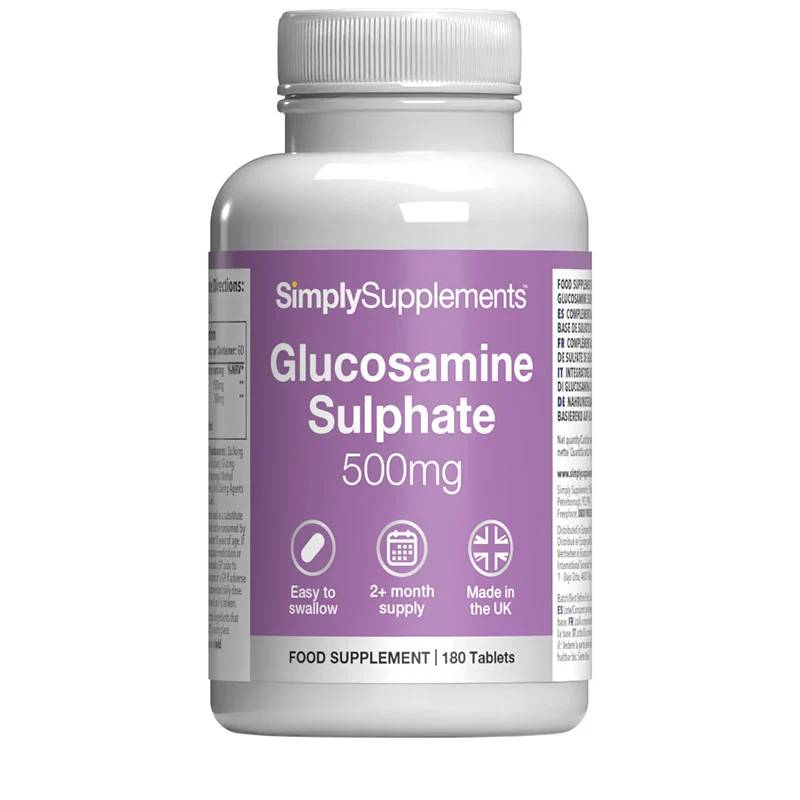
On the other hand, glucosamine HCl contains a higher concentration of glucosamine per capsule compared to glucosamine sulphate. Some studies suggest that while both forms may provide similar benefits, glucosamine sulphate could be more effective in certain populations. Ultimately, the choice between the two may come down to personal preference and tolerance.
Cost Per Serving: How to Compare Prices
Understanding the cost per serving of glucosamine supplements can help you make informed decisions. Prices can vary significantly between brands and formulations. Generally, glucosamine sulphate tends to be slightly more expensive due to its perceived effectiveness.
For example, a 30-day supply of glucosamine sulphate may cost around £20, while the same quantity of glucosamine HCl might be priced at £15. When determining cost per serving, it’s essential to consider the dosage as well. The typical recommended dosage ranges from 1,500 mg to 2,000 mg per day, divided into smaller doses. This means that a product containing 1,500 mg per serving would last 30 days at a daily intake of one serving. Options such as Health & Wellbeing joint health advice help keep everything running smoothly here.
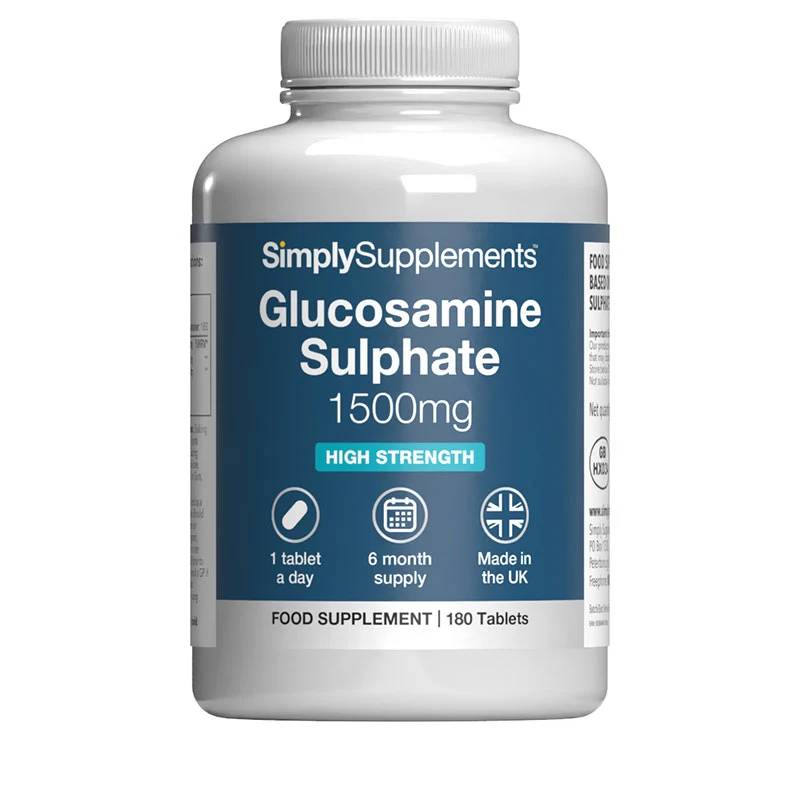
To compare prices, consider the dosage as well as the number of servings per container. For instance, if a glucosamine supplement costs £20 for 30 servings of 1,500 mg, the cost per serving would be approximately £0.67. In contrast, a supplement with a higher concentration requiring only one serving daily may actually be more cost-effective in the long run.
What Does NICE and the NHS Recommend?
The recommendations from NICE and the NHS play a crucial role in determining whether glucosamine supplements are a suitable option for joint health. NICE does not endorse glucosamine for treating osteoarthritis, primarily due to insufficient evidence supporting its effectiveness. The NHS similarly advises that while glucosamine may be beneficial for some, more robust clinical evidence is needed.
As a result, if you are considering glucosamine, it’s vital to weigh the potential benefits against the recommendations from these authoritative sources. While many users report subjective improvements in joint comfort, the mixed evidence suggests that glucosamine should not be relied upon as a primary treatment for joint issues.
Who Should Avoid Glucosamine Supplements?
While glucosamine is generally considered safe for most individuals, certain groups should exercise caution or avoid it altogether. People who are allergic to shellfish should be particularly careful, as many glucosamine supplements are derived from shellfish sources. Additionally, if you are pregnant or breastfeeding, it’s advisable to consult a healthcare professional before beginning any new supplement regimen. For anyone scaling up, glucosamine side effects and who should avoid it is well worth a closer look.
Moreover, those taking blood-thinning medications, such as warfarin, should also approach glucosamine with caution, as it may interact with these medications. Always consult with a healthcare professional before incorporating any supplement into your routine, especially if you have pre-existing health conditions or are taking other medications.
Exploring Vegan Options for Glucosamine
With the rise of plant-based diets, many individuals are seeking vegan alternatives for glucosamine supplements. Traditionally, glucosamine is sourced from shellfish; however, several companies now offer vegan glucosamine derived from non-shellfish sources, such as corn or fermentation processes. These vegan options can provide similar benefits without the ethical concerns associated with animal-derived products.
When selecting a vegan glucosamine supplement, check the label for the source of glucosamine, and ensure it is explicitly marked as vegan. Additionally, consider the cost and effectiveness of these alternatives as part of your decision-making process. In many cases, vegan glucosamine can be similarly priced to its non-vegan counterparts, making them accessible to those who prefer plant-based solutions.
Frequently Asked Questions
How much glucosamine should I take daily?
The typical recommended daily dosage is between 1,500 mg to 2,000 mg, divided into smaller doses if necessary.
Are there side effects associated with glucosamine supplements?
Some individuals may experience mild side effects such as digestive upset, headache, or allergic reactions, especially if allergic to shellfish.
Can glucosamine supplements help with joint pain?
The evidence is mixed, and while some users report benefits, NICE does not recommend glucosamine as a treatment for osteoarthritis.
Are vegan glucosamine supplements effective?
Yes, vegan glucosamine can be effective; however, it’s essential to choose reputable brands and check ingredient sourcing.
How can I determine the best glucosamine supplement for my needs?
Compare cost per serving, dosage, type (sulphate vs HCl), and check for any specific dietary preferences.
What do I need to consider when taking glucosamine with other medications?
Consult your healthcare provider to ensure there are no interactions, particularly with blood thinners or other prescribed medications.
Final Thoughts on Glucosamine Supplements
When considering glucosamine for joint health, it’s essential to approach the topic with a balance of caution and informed decision-making. While glucosamine sulphate and HCl each have their merits, the lack of robust evidence and the guidance from NICE should inform your choices. By understanding the cost per serving and the suitability of various formulations, including vegan options, active adults can make educated choices that suit their lifestyle and values. Ultimately, it’s about finding the right supplement that meets your needs without overspending.