
Joint health is a growing concern for many active adults over 40, especially those who engage in regular physical activities like running, walking, and gardening. Statistics show that around 30% of adults in this age group report experiencing joint stiffness or discomfort. As a result, glucosamine supplements have become increasingly popular among individuals seeking to support their joint health. However, with various formulations available and mixed evidence regarding their effectiveness, it’s crucial to understand what glucosamine is, the differences between its forms, and how to choose the right product.
This article provides a comprehensive comparison of glucosamine brands, focusing on quality, purity, and price. We’ll explore the differences between glucosamine sulfate and glucosamine hydrochloride (HCl), examine NICE and NHS recommendations, discuss optimal dosage and timing, highlight potential side effects, and evaluate vegan options. Additionally, you’ll learn how to compare glucosamine supplements effectively without falling for marketing hype. Options such as Health & Wellbeing glucosamine guide help keep everything running smoothly here.
Key Takeaways
- Understand the differences between glucosamine sulfate and HCl
- Learn about the pros and cons of glucosamine supplements
- Discover NICE recommendations on glucosamine use
- Compare prices and dosages for cost-effective choices
What is Glucosamine and How Does It Work?
Glucosamine is a natural compound found in cartilage, the tissue that cushions joints. In supplement form, it is typically derived from shellfish or produced synthetically. Two common forms of glucosamine supplements are glucosamine sulfate and glucosamine HCl. Both are believed to support joint health by providing building blocks for cartilage, but they differ in terms of composition and efficacy.
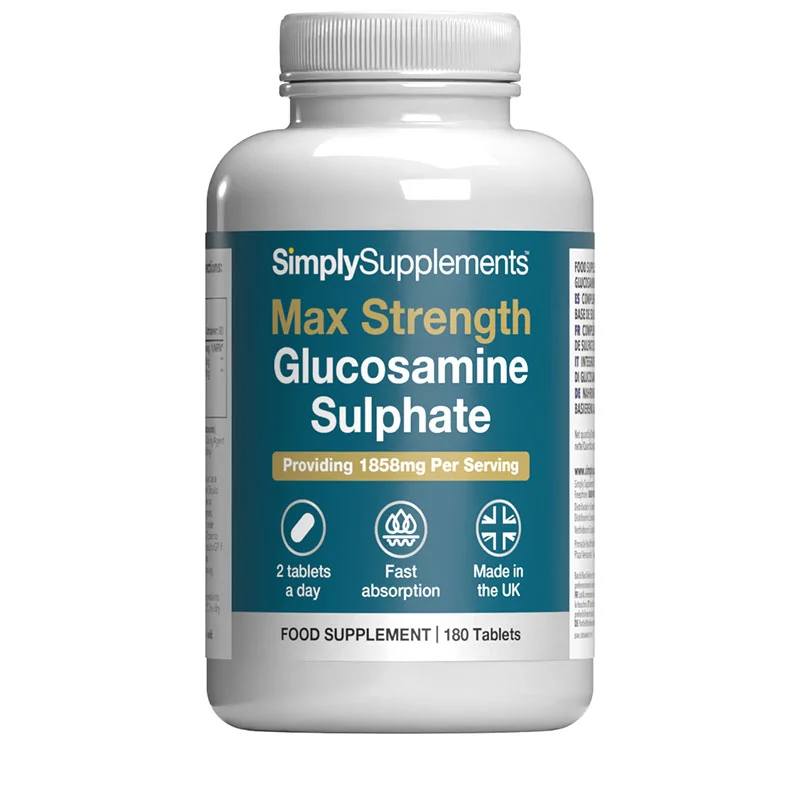
Glucosamine sulfate is often preferred due to its potential to alleviate symptoms associated with osteoarthritis. Some studies suggest that it may help maintain cartilage structure and slow down degeneration, although evidence remains mixed. On the other hand, glucosamine HCl is a more concentrated form, which some users may find beneficial, but research on its effectiveness is less established. Understanding these differences can help you make an informed choice about which supplement may be right for you.
Primary Differences Between Glucosamine Sulfate and HCl
When considering glucosamine supplements, the choice between sulfate and HCl may impact your experience. Here’s a breakdown of their primary differences:
| Feature | Glucosamine Sulfate | Glucosamine HCl |
|---|---|---|
| Source | Derived from shellfish or synthetic | Synthetic production |
| Composition | Contains sodium sulfate | No sodium, more concentrated |
| Effectiveness | Some studies support benefits in joint health | Less research available |
| Side Effects | Possible mild side effects like nausea | Similar side effects, no sodium issues |
What Does NICE Say About Glucosamine?
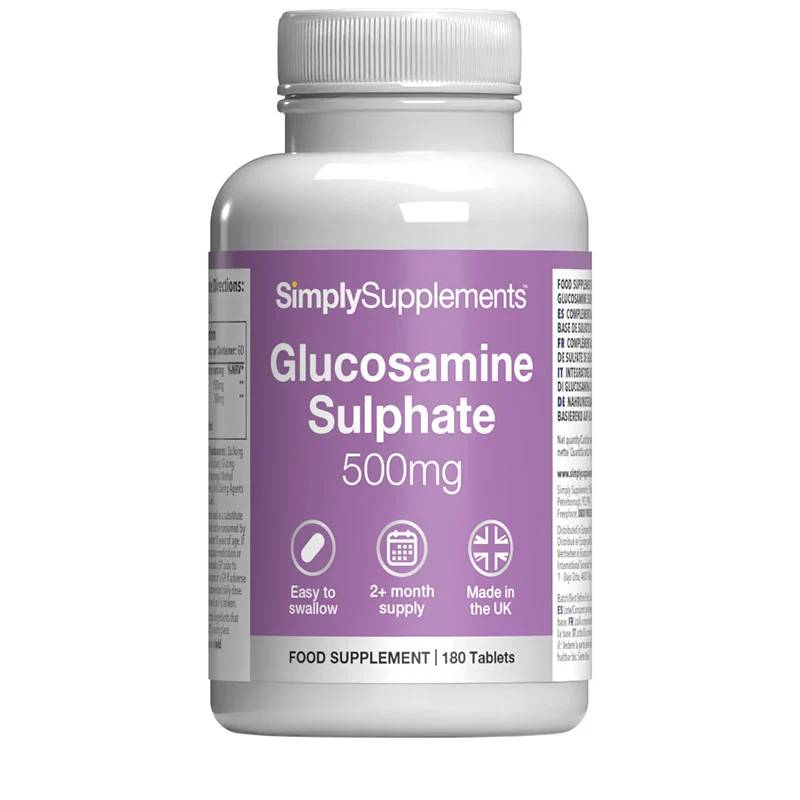
The National Institute for Health and Care Excellence (NICE) has reviewed the evidence regarding glucosamine use for osteoarthritis. Currently, NICE does not recommend glucosamine for routine treatment, primarily due to insufficient evidence supporting its effectiveness. While some users report positive experiences, NICE emphasizes the need for further research to validate claims regarding glucosamine supplements.
Such recommendations can be disheartening for many looking for natural remedies. It’s essential to approach glucosamine supplementation with realistic expectations, acknowledging that while some may experience benefits, it may not be a guaranteed solution for everyone.
Recommended Dosage and Timing for Optimal Results
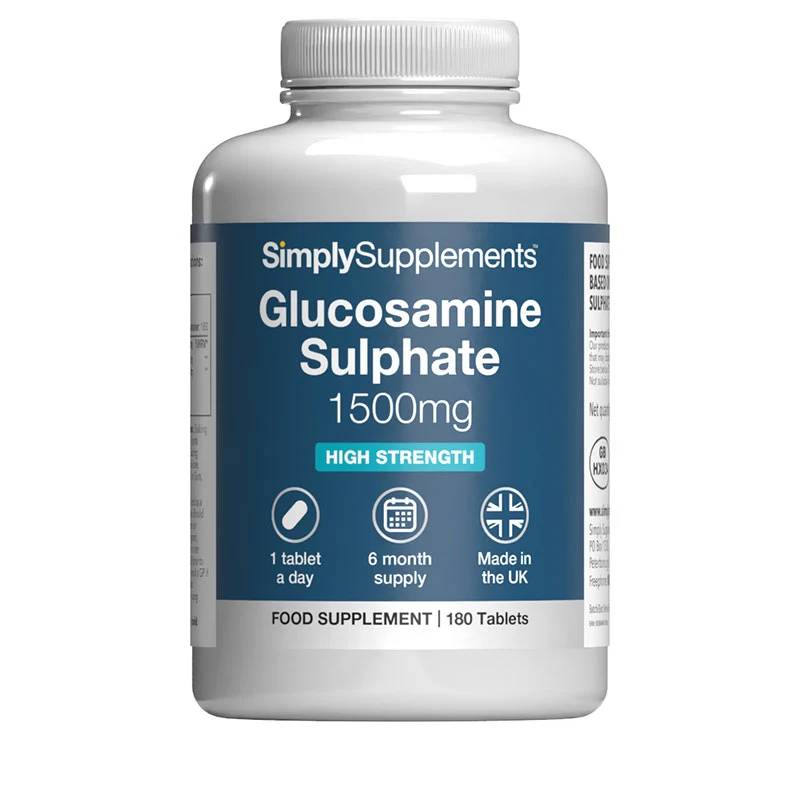
When taking glucosamine, establishing the right dosage is vital for maximising potential benefits. Common recommendations suggest a daily intake of 1500 mg of glucosamine sulfate, usually divided into smaller doses throughout the day. For glucosamine HCl, studies often indicate a slightly lower dosage might suffice, but individual responses vary. For anyone scaling up, Health & Wellbeing supplement authority is well worth a closer look.
Many users find that taking glucosamine with food can enhance absorption and reduce the likelihood of stomach upset. Also, maintaining a consistent schedule for taking the supplement may lead to better results, as it allows the body to adapt gradually.
Potential Side Effects and Who Should Avoid Glucosamine
While glucosamine is generally considered safe, some individuals may experience mild side effects, including gastrointestinal issues, headache, or allergic reactions-particularly if they are allergic to shellfish. People taking blood thinners should consult a healthcare professional before starting glucosamine, as it may interact with these medications.
As with any supplement, it’s advisable to consult your doctor before incorporating glucosamine into your routine, especially if you are pregnant, nursing, or have pre-existing health conditions.
Exploring Vegan Options and Cost-Effectiveness
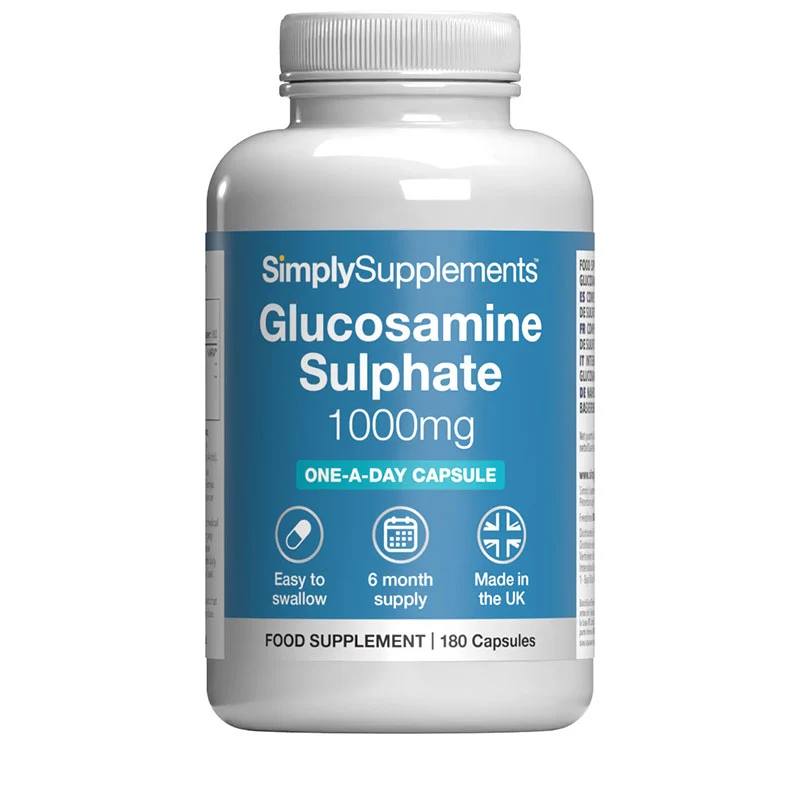
For those following a vegan lifestyle, traditional glucosamine supplements may not be suitable as they are often derived from shellfish. However, there are now vegan alternatives available that use synthetic production methods. These vegan glucosamine options can provide similar benefits without compromising dietary choices.
When considering cost-effectiveness, it’s essential to compare the price per serving rather than just the total cost of the product. Many brands vary significantly in price, but the quality and purity of the glucosamine should also play a crucial role in your decision-making process. For example, while a cheaper product may seem appealing, it might not offer the same level of purity or efficacy as a higher-quality option.
To assist in your evaluation, consider checking reliable sources that provide detailed comparisons of various glucosamine supplements. Websites dedicated to supplement reviews often include information on purity, dosage guidelines, and consumer feedback, which can facilitate informed choices. This is often where glucosamine for over 65s active lifestyle proves its value in practice.
Additionally, many readers find it helpful to refer to glucosamine sulphate brands reviewed for comprehensive guidance on selecting glucosamine products tailored to individual needs and preferences. This resource covers a wide range of options and serves as a valuable tool for understanding what to look for in a glucosamine supplement.
Evaluating the Pros and Cons of Glucosamine Supplements
Before deciding whether to incorporate glucosamine into your regimen, weighing its pros and cons can provide clarity. Here’s a balanced view:
Pros: Some users report reduced joint discomfort and improved mobility, particularly with glucosamine sulfate. Supplements can be relatively easy to incorporate into daily routines and may be beneficial for those actively engaging in physical activities.
Cons: Mixed evidence regarding efficacy can lead to uncertainty. NICE does not endorse glucosamine due to a lack of strong clinical support. Side effects, although typically mild, may be a concern for some individuals, especially those with allergies or on specific medications.
As you consider these factors, it’s essential to remember that the effectiveness of glucosamine can vary from person to person. Keeping an open mind and approaching supplementation with realistic expectations is crucial.
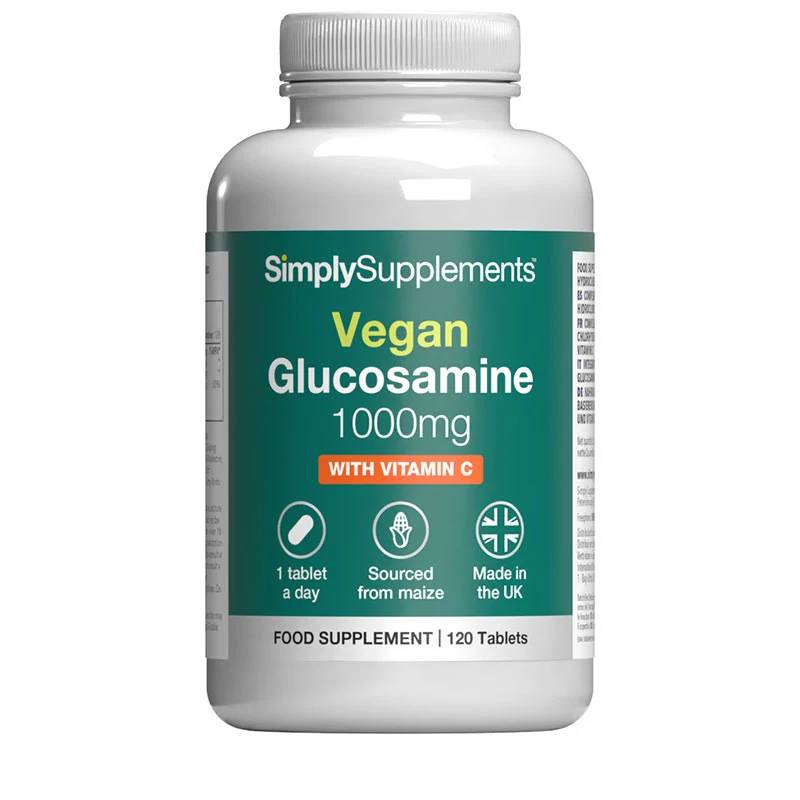
In summary, understanding glucosamine and its potential impact on joint health requires careful consideration of various factors, including formulation, dosage, and individual responses. By remaining informed about the available options, you can make educated decisions that align with your health goals.
Frequently Asked Questions
How long does it take to see results from glucosamine?
Many users report noticing improvements within 4 to 8 weeks of consistent use, but individual experiences may vary.
Is glucosamine safe for everyone?
While glucosamine is generally safe, individuals with shellfish allergies or those taking specific medications should consult a healthcare professional.
What’s the best time to take glucosamine?
Taking glucosamine with meals may enhance absorption and reduce potential gastrointestinal discomfort.
Can I take glucosamine with other supplements?
Most people can safely take glucosamine alongside other supplements, but it’s best to check with a healthcare provider for tailored advice.
Are there vegan glucosamine options?
Yes, there are vegan alternatives available that are synthetically produced, making them suitable for those avoiding animal products.
How do I choose the right glucosamine supplement?
Consider factors such as formulation (sulfate vs HCl), dosage, purity, price per serving, and whether the product meets your dietary needs.