
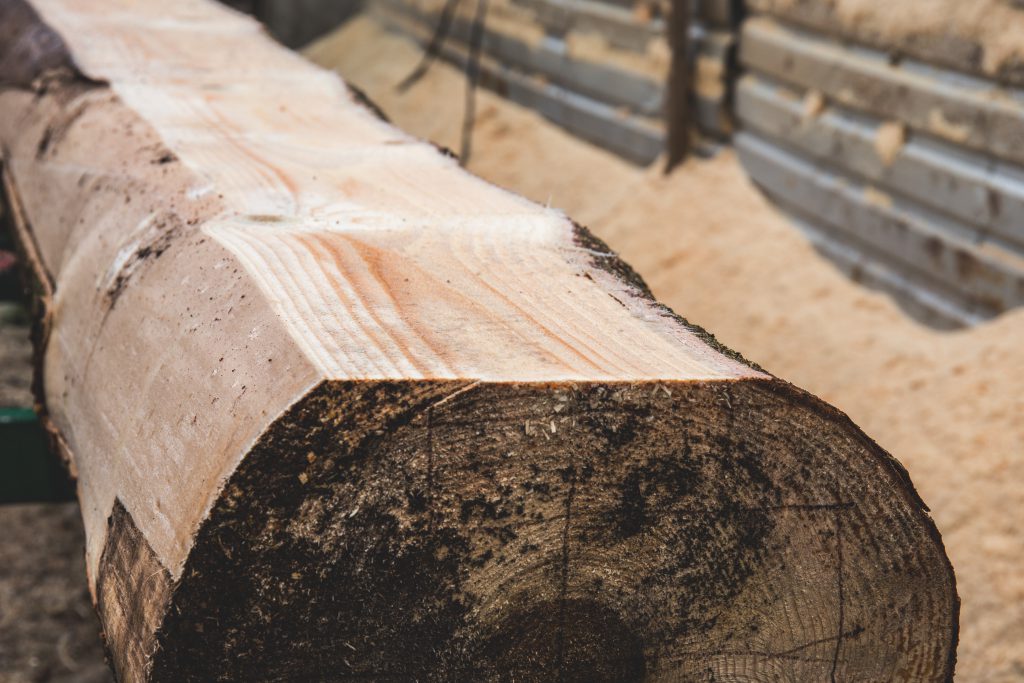
 If you are choosing a wood-look floor, two products almost always top the list: laminate and hardwood. Both can be attractive, however they have important differences when it comes to cost, durability and lifespan.
Important: some flooring products already have an attached underlayment. When that is the case, adding another underlay may cause joint failure and affect the warranty. Be sure to read the installation guide.
Start at the door. Use a heavy-duty mat outside and a washable absorbent rug indoors every entrance. Two mats stops much of the salt and grit before it gets to the rest of the house. Add a boot rack to make sure dripping shoes never sit directly on the floor.
The kitchen and the bathroom are the hardest-working rooms in the house. They get water, humidity, heavy foot traffic and daily cleaning. The floor you install for these rooms has to be water-resistant, tough and low maintenance and still deliver great design.
Today’s laminate flooring has come a long way a lot. Premium laminate products uses realistic printed designs and embossed textures that appear surprisingly realistic. The tough top layer makes it highly resistant to scuffs and scratches, and it comes in less. Several laminates now include improved water resistance.
And what about wood in wet areas? Some modern laminates are a valid option for kitchens, as long as water is cleaned up right away. Wood may also be used in a kitchen with caution, however in bathrooms, vinyl or tile remain the safer choices.
Underlayment also compensates for slight unevenness beneath the floor while adds a little comfort and insulation. Remember, though, that is not a substitute for levelling the subfloor: major unevenness must be corrected beforehand.
Selecting a new floor is among the most significant decisions you will make during a home renovation. Here in Canada, the selection is even more critical because our floors must withstand cold, dry winters, warm and humid summers, slush and salt brought in at the door.
Hardwood remains a timeless option. It offers warmth that no imitation fully matches, and it is often sanded and refinished more than once over its life. Being able to refinish it means quality hardwood to last a very long time. Hardwood also adds resale value in most cities.
Canadian winters are magical, however winter is tough on floors. Snow, de-icing salt, gravel and dry heated air can wear out your floors over time. With some simple precautions, it is easy to keep your flooring beautiful through the winter.
In the end, what option makes sense? If long-term value and the ability to refinish are your priority, consider real wood. When cost, scratch resistance and low upkeep are more important, laminate makes a lot of sense.
Vinyl plank and vinyl tile have quickly become a top choice in wet areas. Fully waterproof constructions guarantee that standing water won’t damage the planks as long as you clean them up. LVP is also more comfortable under bare feet compared to stone, which is much appreciated during winter.
Climate also plays a big role. Solid hardwood moves as humidity rises and falls, which means it should be installed with proper acclimatization and a good humidifier in winter. Engineered hardwood offers the beauty of real wood but with improved stability, making it a smart option across the country.
Porcelain and ceramic tile stay a timeless option. It is extremely water-resistant, long-lasting and offered in a huge variety of styles, including wood-effect tiles to concrete-style finishes. Look for a slip-resistant finish for safety, then add heated floors for extra comfort.
Its first role is noise control. Floors that are not glued down often sound noisy if installed directly on the subfloor. The right underlay absorbs that hollow sound, which is essential in apartments and condos in which strata rules often demand specific acoustic ratings.
Before you buy, make sure you look at samples under your own lights. Colours often look very different at home. If you are looking for helpful advice and a large selection of floors for every room, check out canadafloorsdepot.com before you make your final decision.
The first step is to think about the way you live in each space. A high-traffic hallway needs a durable, easy-care surface, whereas a guest room may focus more on softness and style. Kitchens and bathrooms work best with water-resistant materials like luxury vinyl plank or porcelain tile.
When planning a flooring project, they usually focus on the colour, the style and price. Yet what goes under your planks matters just as much. A good underlayment can make a big difference in how the floor feels, noise levels and protection against moisture, and can help your flooring stay beautiful for years.
Budget is also a major consideration. Modern laminate delivers convincing wood visuals for less money, http://85.Pexeburay.com/index/d1?diff=0&utm_source=ogdd&utm_campaign=20924&utm_content=&utm_clickid=coccosc04808wk8g&aurl=https://istanbulclasse.net/author/blakeblackw/ while luxury vinyl brings together value and great moisture protection. Keep in mind to include the underlay, trims and moldings, and professional installation in your estimate.