
As we age, many of us may find ourselves grappling with joint stiffness, especially if we lead active lifestyles filled with running, walking, or gardening. The quest for relief often leads to the exploration of dietary supplements, with glucosamine and chondroitin frequently touted as potential allies in maintaining joint health. Yet, for those wary of marketing hype, the critical question remains: are these supplements worth the investment?
Sitting at a café after a long walk, you overhear discussions about the supposed benefits of glucosamine and chondroitin. Some swear by their effectiveness, while others express scepticism, recalling mixed studies they’ve read. With so many voices, it’s tough to sift through the noise to find genuine insights. This article aims to clarify what glucosamine and chondroitin are, how they differ, their potential benefits, and their value in terms of cost-effectiveness. Many teams turn to Health & Wellbeing best glucosamine to handle exactly this kind of workload.
Key Takeaways
- Understand the differences between glucosamine sulphate and HCl
- Learn about the mixed evidence on glucosamine effectiveness
- Discover NICE and NHS recommendations on joint health supplements
- Compare costs and vegan options for glucosamine supplements
What Are Glucosamine and Chondroitin? Understanding the Basics
Glucosamine is a naturally occurring compound in the body, primarily found in cartilage. It plays a crucial role in maintaining joint health. There are two main forms of glucosamine used in supplements: glucosamine sulphate and glucosamine HCl (hydrochloride). While both are intended to benefit joint health, they differ in their composition and efficacy.
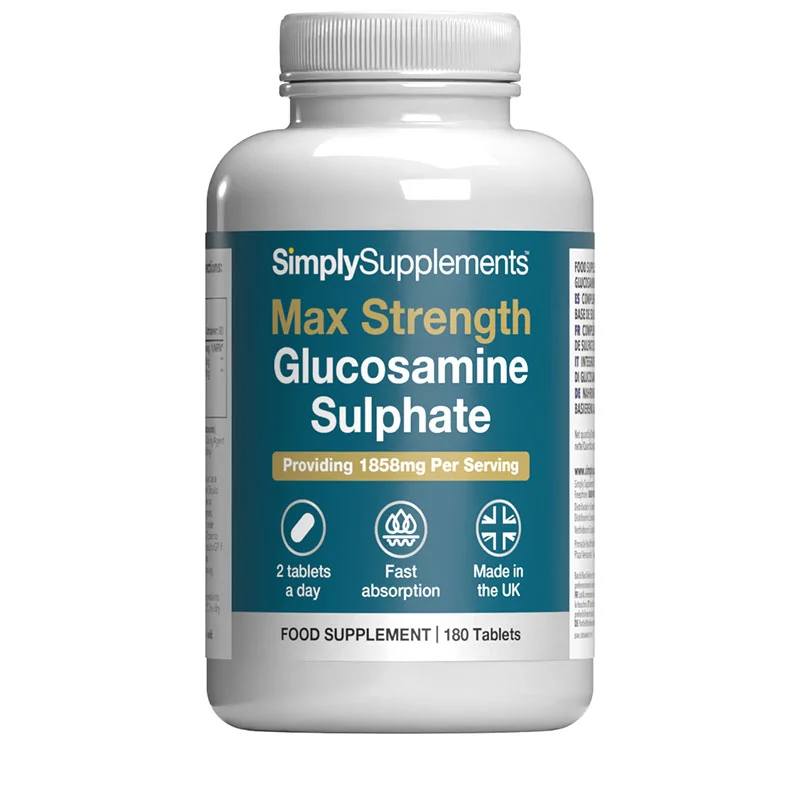
Glucosamine sulphate is often considered the more effective form for joint support, as it is believed to provide the necessary building blocks for cartilage repair. In contrast, glucosamine HCl is a form that contains no sulphate, which some research suggests may not offer the same benefits in cartilage synthesis. Understanding these distinctions can help you make an informed choice when selecting a supplement.
Chondroitin, on the other hand, is a component of cartilage that helps retain water and maintain its elasticity. It is commonly combined with glucosamine in supplements, enhancing their potential effectiveness. However, as with glucosamine, there is ongoing debate about the degree to which chondroitin supplements can genuinely improve joint health.
Are Glucosamine and Chondroitin Worth Taking? An Evidence Overview
The effectiveness of glucosamine and chondroitin has been a topic of much debate within the medical community. The evidence is mixed; some studies suggest that these supplements can provide modest benefits in reducing joint pain and improving function, especially for individuals with osteoarthritis, while others find little to no significant impact.
The National Institute for Health and Care Excellence (NICE) in the UK does not recommend glucosamine and chondroitin for the treatment of osteoarthritis, citing insufficient evidence of their effectiveness. This stance has contributed to a cautious approach among healthcare professionals when discussing these supplements with patients. When this becomes a priority, Health & Wellbeing supplement buying guide can make a real difference to your results.
It’s essential to weigh the available evidence against your personal circumstances and needs. If you are considering glucosamine and chondroitin, having a conversation with your healthcare provider can provide tailored insights and recommendations.
Dosing and Timing: How Much Do You Need?
When it comes to dosing glucosamine and chondroitin, recommendations vary widely. Most studies suggest a daily dose of around 1500 mg of glucosamine and 1200 mg of chondroitin, typically taken in divided doses throughout the day for better absorption. It’s worth noting that individual responses can vary, and it may take several weeks to notice any potential benefits.
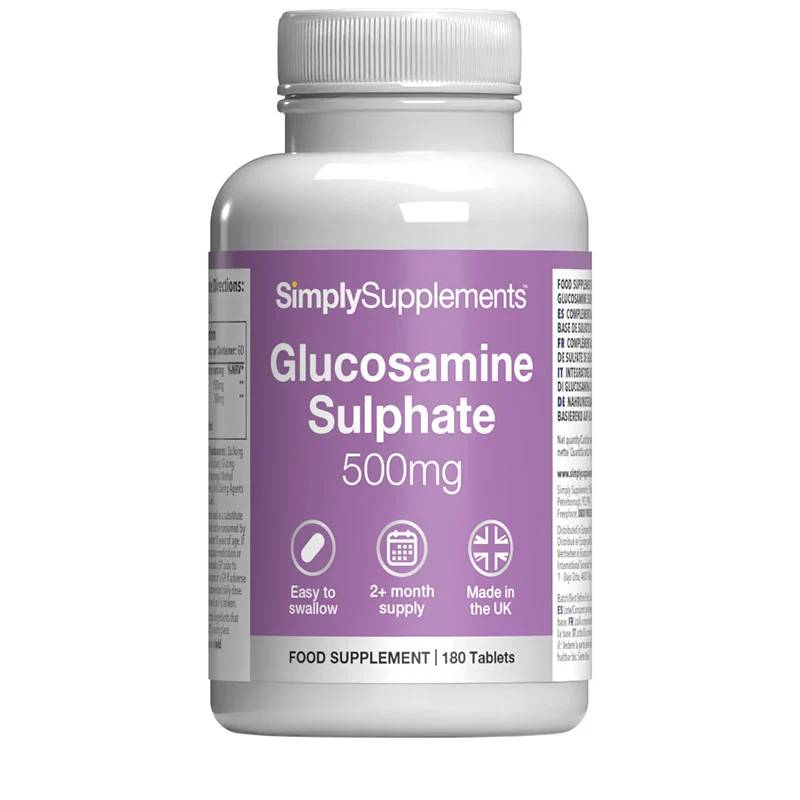
For those new to these supplements, starting with a lower dose and gradually increasing it may be advisable to assess tolerance. Moreover, taking glucosamine and chondroitin with meals can enhance absorption and mitigate any potential gastrointestinal side effects, such as bloating or upset stomach, which some users report.
As you consider your options, it’s crucial to read the labels carefully, as formulations can differ significantly in terms of purity and additional ingredients. Always consult your healthcare provider if you have underlying health conditions or are taking other medications.
Potential Side Effects and Who Should Avoid Them
While glucosamine and chondroitin are generally well-tolerated, some individuals may experience side effects. These can include mild gastrointestinal discomfort, headaches, and allergic reactions, particularly in those sensitive to shellfish, since some glucosamine is derived from shellfish sources. It pays to weigh up http://wccoupling.co.kr/woochang/bbs/board.php?bo_table=korcontact&wr_id=37977 before you commit to a setup.
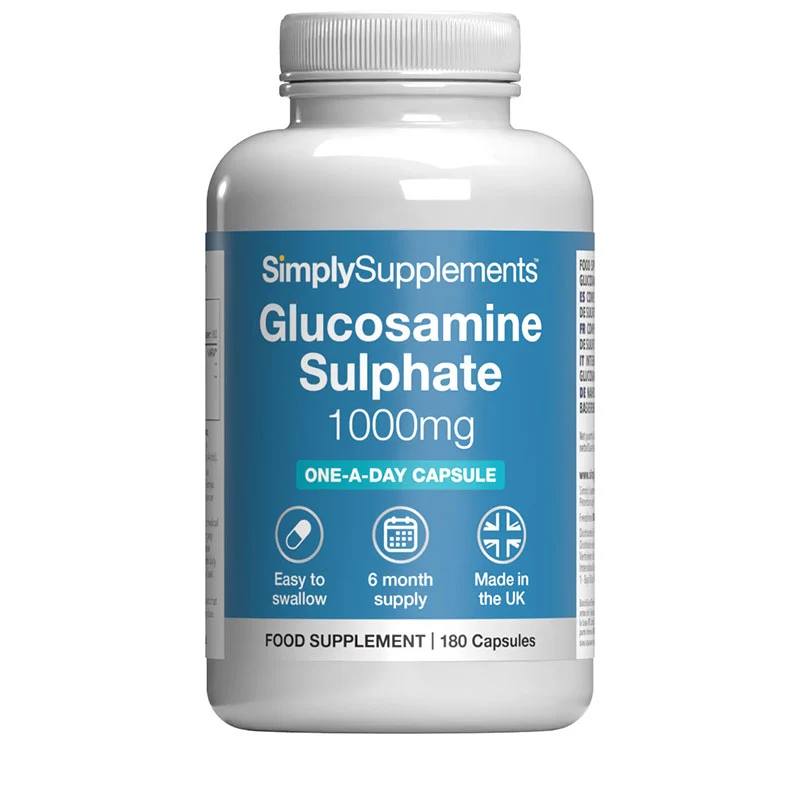
Always consult with a healthcare provider if you have concerns about allergies or existing health conditions and their interactions with supplements.
Individuals with diabetes should exercise caution as glucosamine may affect insulin sensitivity. Similarly, pregnant or breastfeeding women should refrain from taking these supplements unless advised by a healthcare professional.
Cost-Effective Choices: Comparing Vegan Options and Prices
When assessing the value of glucosamine and chondroitin supplements, cost per serving is a critical factor to consider. Prices can vary significantly, with some products costing as little as £10 for a month’s supply, while premium brands might charge up to £40 or more for similar quantities. Exploring vegan options is also becoming increasingly popular, particularly among those looking to avoid animal-derived ingredients.
For instance, vegan glucosamine and chondroitin supplements are derived from fermentation processes and plant sources, making them suitable alternatives for those with dietary restrictions. While they can be slightly more expensive, they offer a viable solution for the ethical consumer.
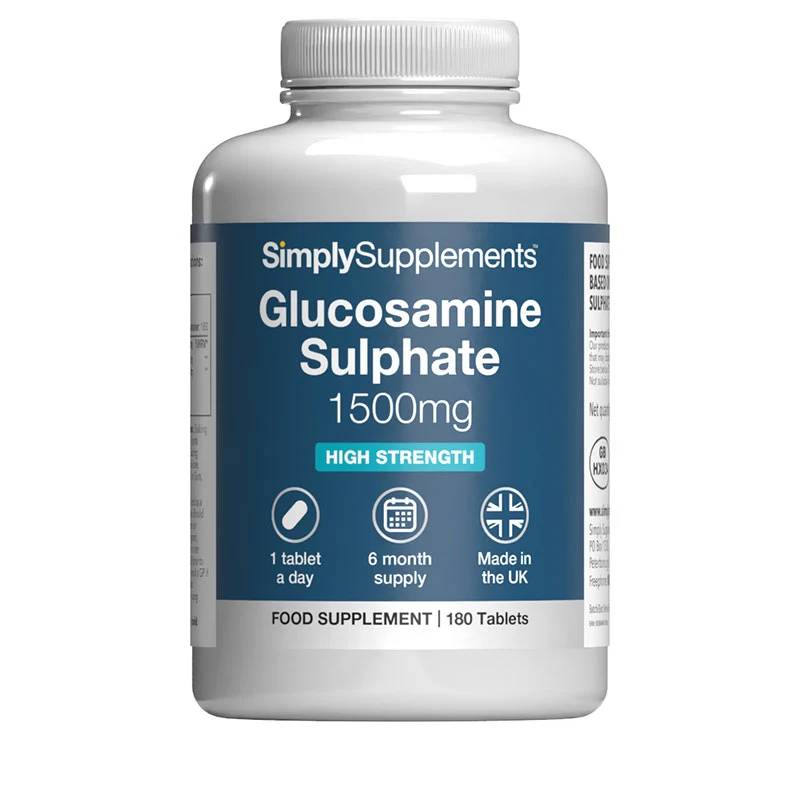
In making a choice, it’s beneficial to compare several brands and their formulations, considering both the price and the quality of ingredients. Many readers find websites that offer detailed comparisons of glucosamine and chondroitin supplements particularly helpful, as they provide the finer details necessary for an informed decision, such as cost per dose, ingredient sourcing, and potential efficacy.
- Consider discussing with your healthcare provider before starting glucosamine and chondroitin.
- Choose a reputable brand that conducts third-party testing for quality assurance.
- Monitor your body’s response and adjust the dosage accordingly.
- Explore vegan options if you have dietary restrictions or ethical concerns.
Frequently Asked Questions
What is the best form of glucosamine to take?
Most evidence suggests that glucosamine sulphate is the preferable form due to its association with cartilage repair.
How long does it take to see results from glucosamine and chondroitin?
Users may notice improvements after 4 to 8 weeks of consistent use, depending on individual responses.
Are there any dietary restrictions with glucosamine supplements?
Those with shellfish allergies should avoid glucosamine derived from shellfish and may consider vegan alternatives instead.
What are the typical side effects of glucosamine and chondroitin?
Common side effects may include mild gastrointestinal discomfort, headaches, and potential allergic reactions.
How can I choose a glucosamine supplement effectively?
Look for products with transparent ingredient sourcing, a reasonable cost per serving, and preferably those that have been third-party tested for quality.