
As many as 30% of adults experience joint stiffness, particularly those aged 40 and over. With a growing awareness of joint health, especially among active individuals such as runners, walkers, and garden enthusiasts, glucosamine supplements have gained considerable attention. However, the market is filled with various formats, primarily capsules and tablets, leading to questions about which is more effective. In this article, we will explore the differences between glucosamine capsules and tablets, examine their efficacy, and provide insights on how to choose the best glucosamine supplement for your needs.
Glucosamine is a natural compound found in cartilage, and it is often taken as a supplement to support joint health. The two common forms of glucosamine supplements are glucosamine sulphate and glucosamine hydrochloride (HCl). Understanding these differences is vital for making an informed choice. Furthermore, many individuals are sceptical about the efficacy of these supplements due to mixed evidence, including the recommendations provided by NICE and the NHS. This is often where osteoarthritis supplement options proves its value in practice.
Key Takeaways
- Glucosamine supplements vary in form and effectiveness
- NICE does not recommend glucosamine for joint health
- Dosage and side effects are important considerations
- Vegan options are available for glucosamine supplements
What is Glucosamine and Why is it Important?
Glucosamine is a naturally occurring amino sugar that plays a significant role in the formation and repair of cartilage. It is commonly recommended for those concerned about joint health, particularly as they age. As joint health becomes a greater concern for active adults, glucosamine supplements have become increasingly popular.
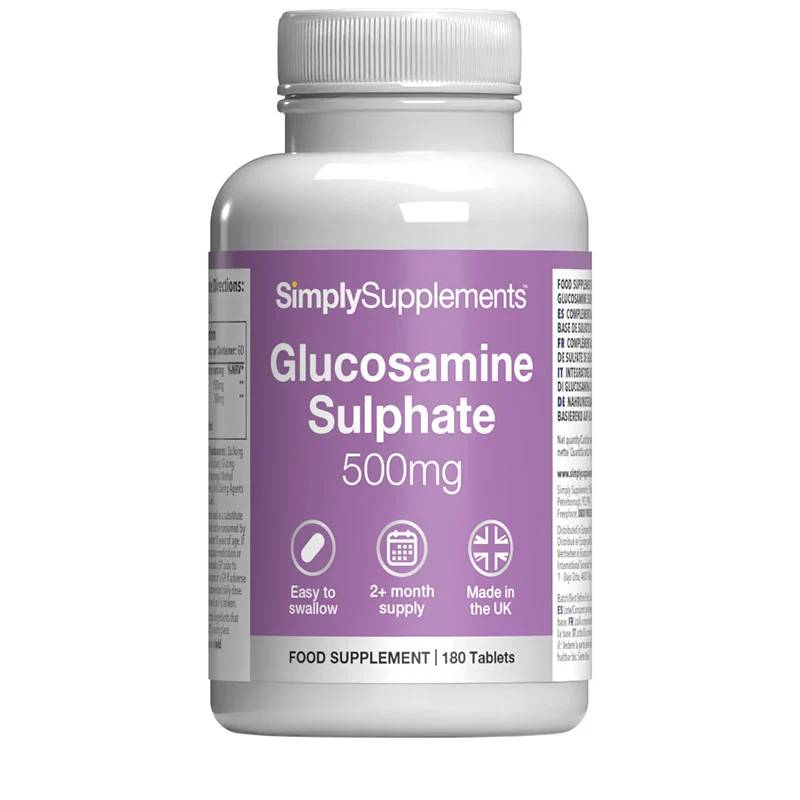
There are two primary types of glucosamine supplements available: glucosamine sulphate and glucosamine hydrochloride. Glucosamine sulphate is often preferred as it is believed to be more effective at alleviating symptoms associated with joint issues, particularly osteoarthritis. In contrast, glucosamine HCl is more concentrated but lacks the sulphate, which is thought to be beneficial for cartilage health. When considering glucosamine supplements, it is essential to be aware of these differences to choose the right one.
How Do Capsules and Tablets Compare in Terms of Effectiveness?
When it comes to glucosamine supplements, the format can impact absorption and effectiveness. Capsules are typically easier to swallow and may dissolve quicker in the stomach, potentially leading to faster absorption. On the other hand, tablets are often more stable and can be stored longer without losing potency. However, they may take longer to dissolve and be absorbed in the digestive system.
For example, if you take a glucosamine tablet that contains 1,500 mg of glucosamine sulphate, it might take longer for your body to break it down compared to a capsule with the same dosage. However, both formats can deliver the same active ingredient; individual preferences may play a significant role in determining which form works best for you.
What Does NICE Say About Glucosamine Use?
The National Institute for Health and Care Excellence (NICE) does not recommend glucosamine supplements for the treatment of osteoarthritis due to a lack of consistent evidence supporting their efficacy. While some studies suggest that glucosamine may provide benefits in reducing joint pain, others have shown minimal to no significant effects. It’s crucial for consumers to weigh the evidence and consider that, according to NICE, more research is needed to establish a clear consensus. Many teams turn to health & wellbeing joint supplements to handle exactly this kind of workload.
Despite NICE’s position, many individuals report positive experiences with glucosamine supplements. It’s essential to approach this topic with an open mind and to consider options critically while consulting with healthcare professionals if necessary.
Dosing Guidelines: How Much Glucosamine Should You Take?
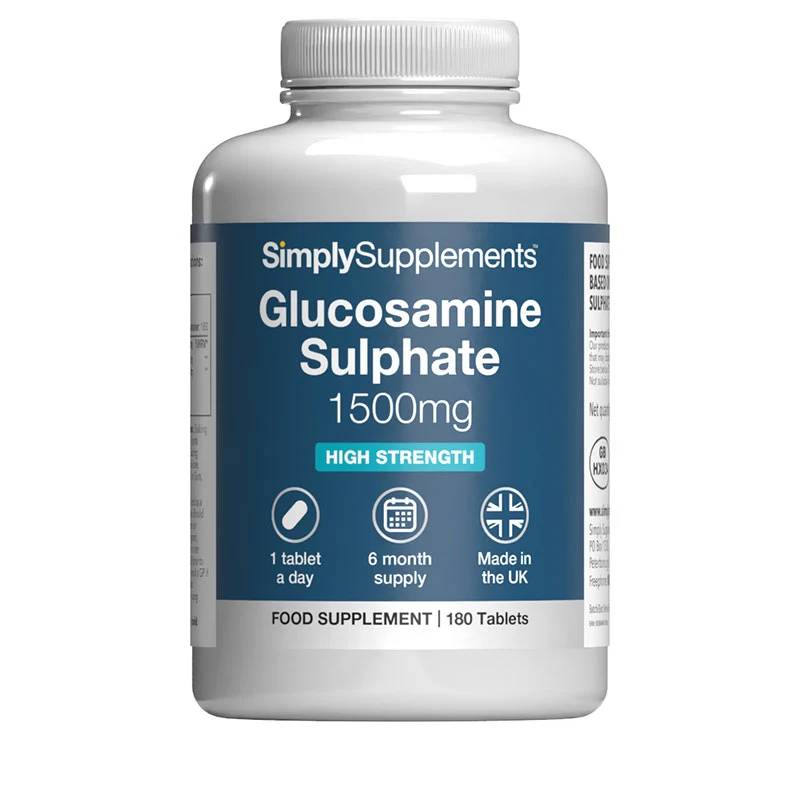
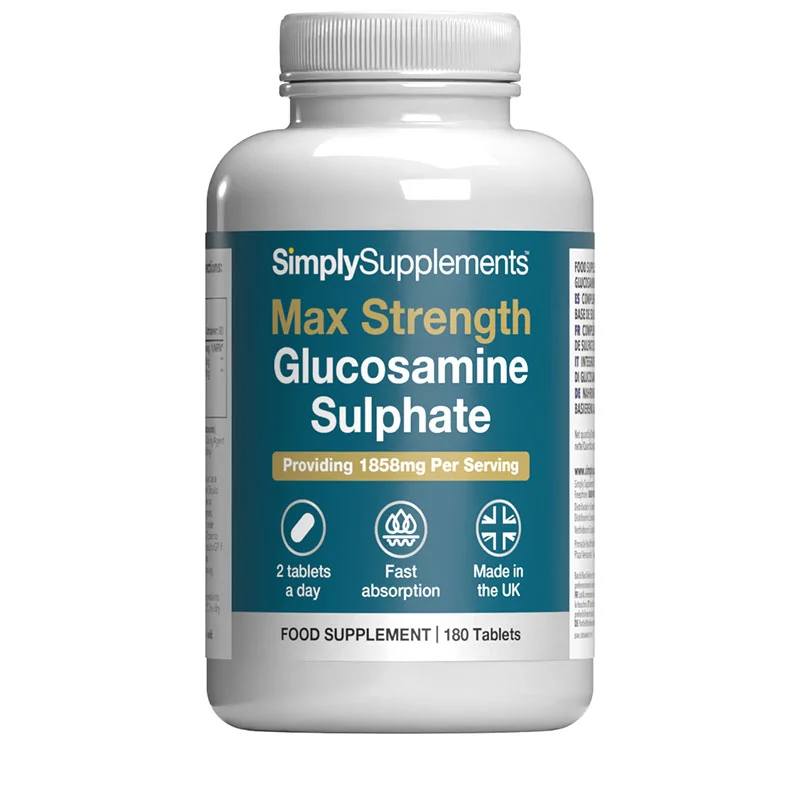
The recommended dosage of glucosamine varies, but common guidelines suggest taking between 1,500 mg to 2,000 mg per day, divided into two or three doses. Both capsules and tablets will typically contain similar dosages, but it’s essential to read the labels carefully to ensure you are meeting your needs without exceeding recommended limits.
For instance, if you opt for glucosamine sulphate tablets, you may find they come in 500 mg dosages. Therefore, you would need to take three tablets daily to reach the recommended 1,500 mg. Capsules may provide the same dosage but in fewer pills, which could be a deciding factor for those who prefer fewer doses.
Are There Any Side Effects or Contraindications?
While glucosamine supplements are generally considered safe, some individuals may experience side effects, including gastrointestinal discomfort, headaches, or allergic reactions, particularly if they have shellfish allergies. It’s also worth noting that glucosamine may interact with certain medications, such as blood thinners.
It’s advisable to consult with a healthcare provider before starting any supplementation, particularly if you have existing health conditions or are on medication. This step is crucial to ensure that glucosamine supplements are safe and suitable for your individual circumstances. When this becomes a priority, Health & Wellbeing glucosamine guide can make a real difference to your results.
Exploring Vegan Options and Cost-Effectiveness
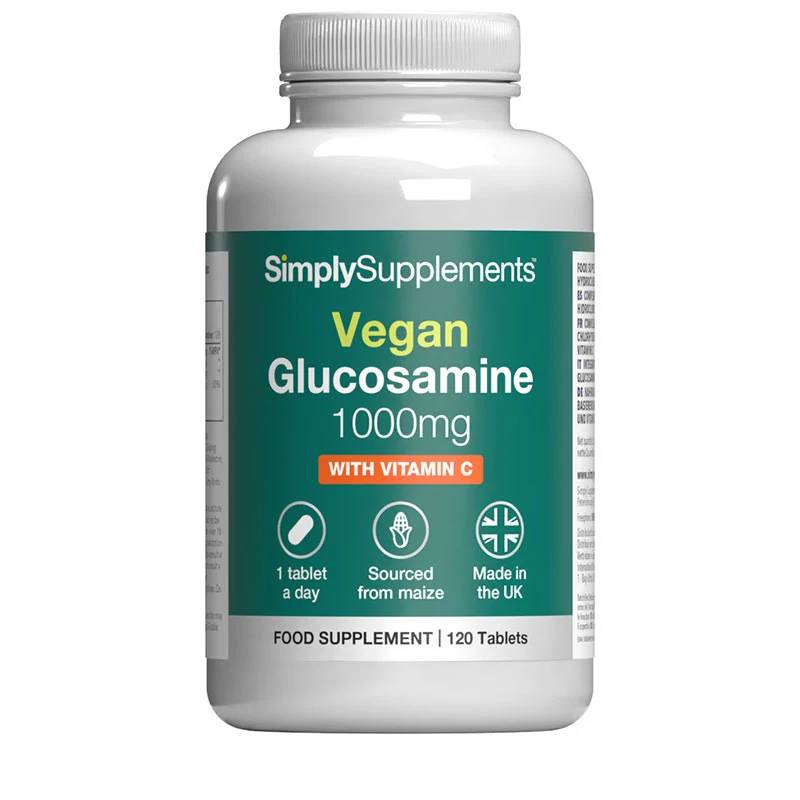
For those following a vegan lifestyle, it’s important to seek glucosamine supplements that are specifically labelled as vegan or plant-based. Traditional glucosamine is often derived from shellfish, but there are vegan alternatives sourced from fermented corn or other plant materials available in the UK. These options are becoming increasingly popular, ensuring that those with dietary restrictions can also benefit from glucosamine’s potential advantages.
In terms of cost-effectiveness, glucosamine supplements can vary widely in price. It’s essential to consider the cost per serving when comparing products. For instance, if a bottle of glucosamine tablets costs £15 for 60 servings, the cost per serving is £0.25. On the other hand, if a glucosamine capsule product costs £20 for 30 servings, the cost per serving would be approximately £0.67. Thus, paying attention to unit pricing can help you make an informed choice that aligns with your budget without compromising quality.
How to Choose the Best Glucosamine Supplement for Your Needs
Choosing the best glucosamine supplement requires careful consideration of several factors. Start by determining your specific needs, such as whether you prefer capsules or tablets. Next, evaluate the type of glucosamine, considering the differences between glucosamine sulphate and glucosamine HCl, while also checking for vegan options if necessary. Additionally, read through customer reviews and compare products to find reputable brands that are transparent about their ingredients and sourcing.
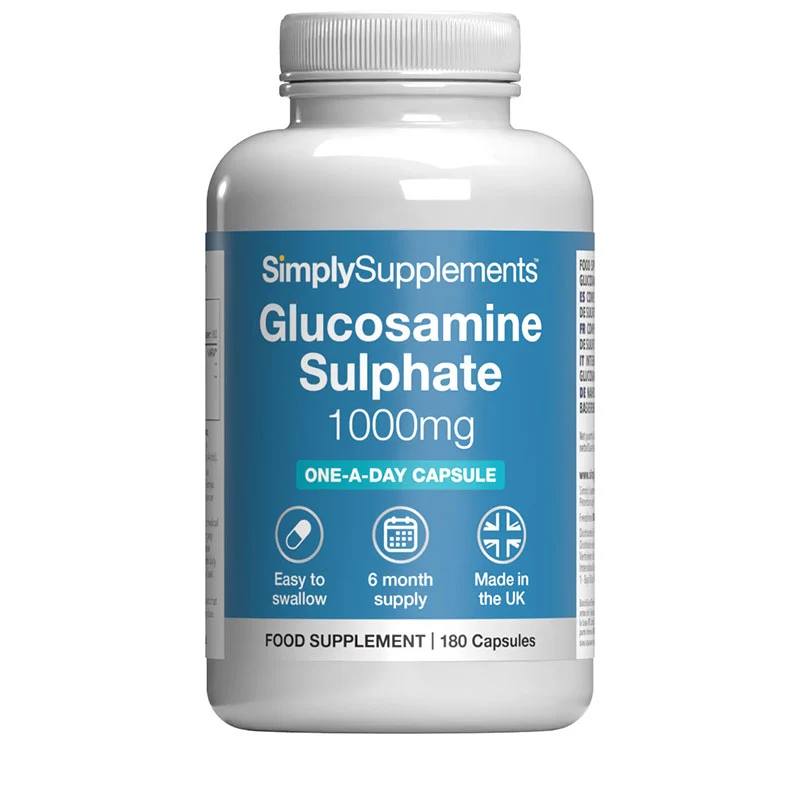
Finally, consult resources like glucosamine side effects and who should avoid it to gather further information on glucosamine supplements, including what the best glucosamine and chondroitin options are in the UK. This step can provide you with evidence-based recommendations and help you navigate the available products on the market.
Frequently Asked Questions
Frequently Asked Questions
How long does it take to see results from glucosamine supplements?
Some individuals may start noticing improvements in joint stiffness within a few weeks, while for others, it may take several months of consistent use. It’s essential to be patient and monitor your body’s response.
Is glucosamine safe for everyone to take?
While generally safe, glucosamine may not be suitable for individuals with shellfish allergies or those on certain medications. Always consult with a healthcare provider before starting any supplement.
Can I take glucosamine if I am vegan?
Yes, there are vegan glucosamine options available that are derived from plant sources instead of shellfish. Look for products specifically labelled as vegan.
What are the potential side effects of glucosamine?
Some common side effects include gastrointestinal discomfort, headaches, and allergic reactions. These can vary from person to person, and it’s advisable to start with a lower dose to gauge your tolerance.
How do I determine the best glucosamine supplement for my needs?
Consider factors such as the type of glucosamine (sulphate vs. HCl), the form (capsule vs. tablet), dosage, and whether you require a vegan option. Comparing products and reading reviews can also help you make an informed choice.