
As the sun rises over a crisp morning, you lace up your trainers, ready to hit the pavement for a brisk run. But as you step out, that familiar stiffness in your knees reminds you that your joints are not as sprightly as they once were. You’ve heard about glucosamine and its supposed benefits for joint health, but with so many options on the market, it’s hard to know whether it’s worth your time and money. For active adults over 40, understanding glucosamine, its alternatives, and the recommendations from health authorities is crucial in making informed choices about joint health.
In this article, we will explore what glucosamine is, how it works, and when you might consider alternatives. We’ll look at dosage, side effects, and recommendations from reputable sources like NICE and the NHS. By the end, you’ll have a clearer picture of whether glucosamine is right for you or if you should explore other options for maintaining joint health. This is often where osteoarthritis supplement options proves its value in practice.
Key Takeaways
- Glucosamine supplements show mixed evidence of effectiveness
- NICE does not recommend glucosamine for joint health
- Alternative options include MSM and vegan supplements
- Cost-effective comparisons are crucial for users over 40
Understanding Glucosamine: A Closer Look
Glucosamine is a naturally occurring compound found in the body, particularly in cartilage. It is commonly taken as a supplement in two forms: glucosamine sulfate and glucosamine hydrochloride (HCl). While both forms are intended to support joint health, they differ in their chemical composition and potential effectiveness.
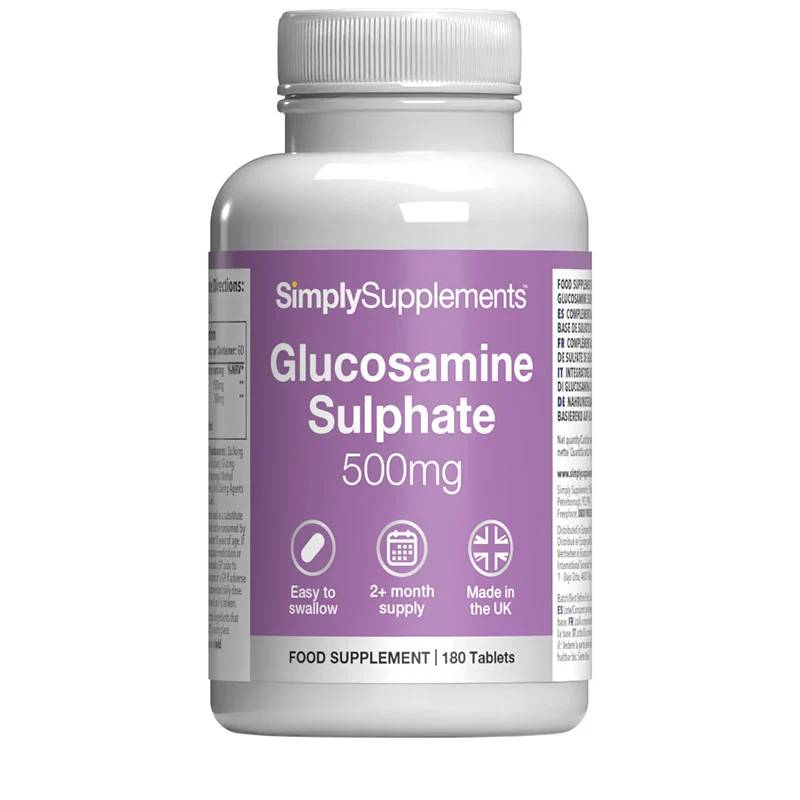
Glucosamine sulfate is often the preferred option because it is believed to have better absorption and efficacy, particularly in supporting cartilage repair. On the other hand, glucosamine HCl is a more concentrated form but lacks the sulfate component, which some studies suggest plays a role in cartilage synthesis. Understanding these differences can help you make a more informed decision when selecting a supplement.
When considering glucosamine, it’s also essential to evaluate the evidence surrounding its effectiveness. While some studies suggest that glucosamine may help improve joint function and alleviate stiffness, other research indicates that results are mixed at best. The National Institute for Health and Care Excellence (NICE) does not recommend glucosamine supplements, stating insufficient evidence to support their use in treating osteoarthritis. This brings us to the question: are they worth taking?
Are Glucosamine Supplements Worth Taking?
Deciding whether glucosamine supplements are worth your investment involves weighing the mixed evidence against your personal health needs. Some users report experiencing improvements in joint mobility and comfort, while others find little to no benefit. For those who are sceptical, it’s crucial to consider factors such as dosage, timing, and individual health conditions.
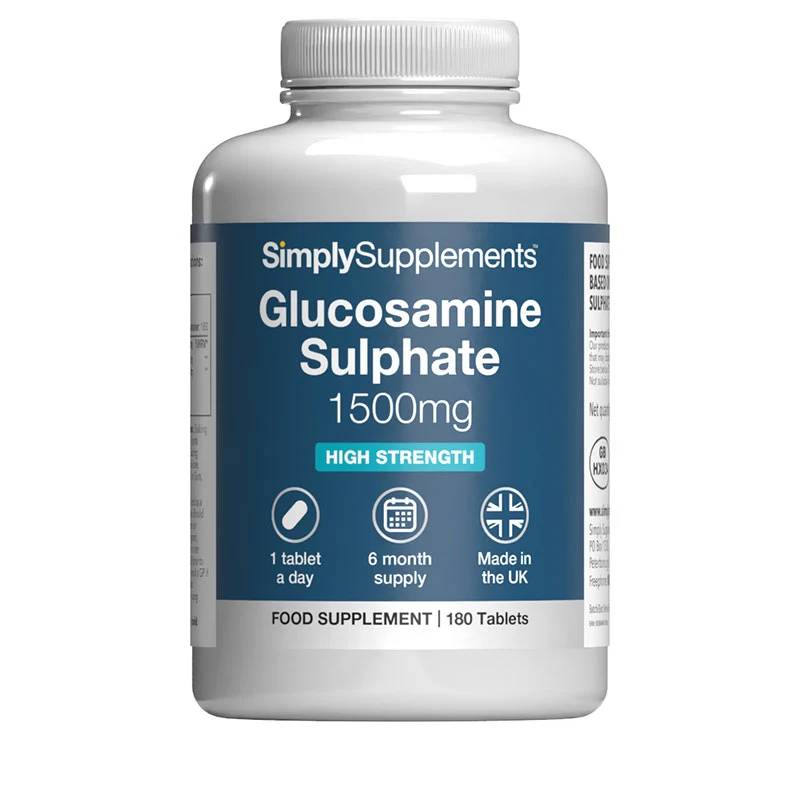
The typical glucosamine dosage varies, but many studies suggest a daily intake of 1500 mg for effective results. If you choose to try glucosamine, taking it consistently for at least 6-8 weeks is generally recommended to assess its impact on your joint health. As with any supplement, consult with your healthcare provider to determine if it’s appropriate for your circumstances. Many teams turn to best glucosamine and chondroitin supplements to handle exactly this kind of workload.
It’s also worth noting that glucosamine can have side effects, including stomach upset, nausea, and diarrhoea. Individuals with shellfish allergies should avoid glucosamine derived from shellfish sources. Understanding these potential risks is vital for anyone considering glucosamine supplementation.
Alternative Options: What Else Can Help?
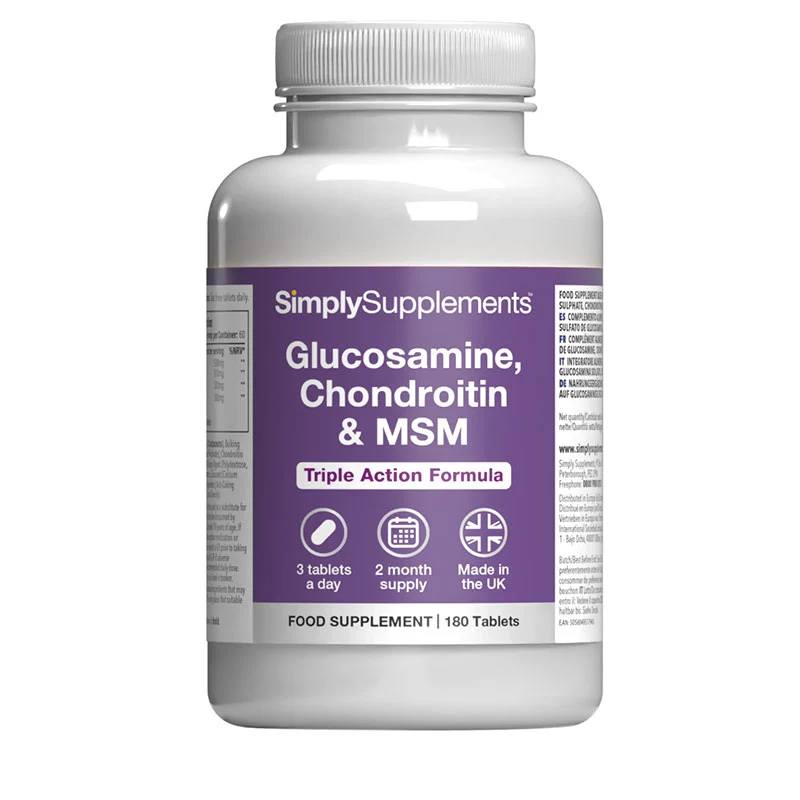
If glucosamine isn’t the right fit for you, several alternatives may provide similar benefits for joint health. One popular option is methylsulfonylmethane (MSM), which is often combined with glucosamine. MSM is a naturally occurring compound that some studies suggest may help reduce inflammation and improve joint function. When paired with glucosamine, they may offer enhanced effects, though more research is needed.
Another alternative is turmeric, particularly its active ingredient, curcumin. Some research indicates that curcumin can help combat inflammation, making it a valuable option for those seeking to support joint health naturally. Additionally, for those following a vegan lifestyle, vegan glucosamine supplements made from corn or fermented sources are now widely available.
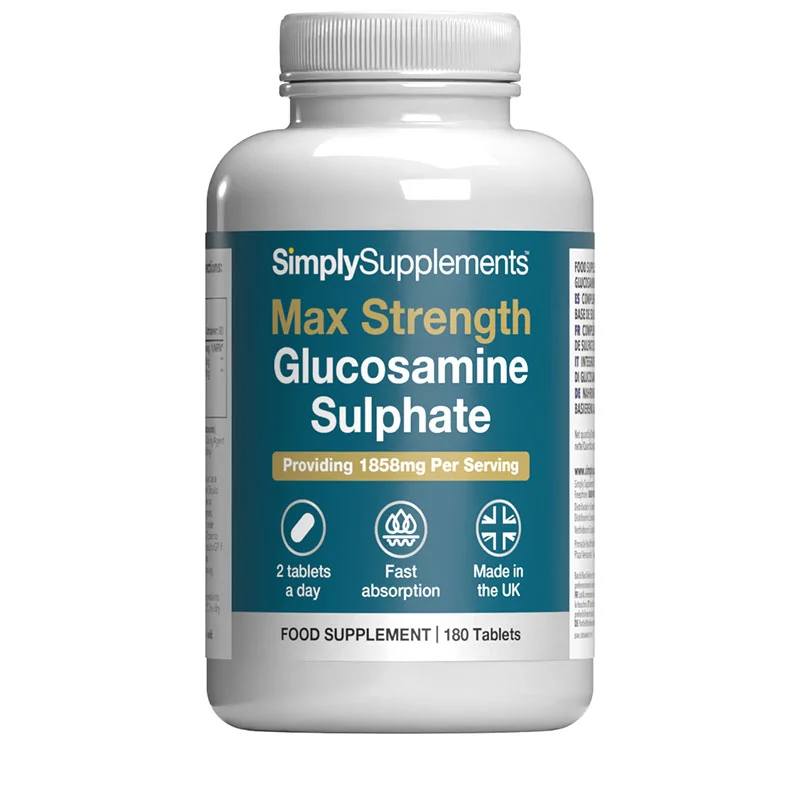
When considering alternatives, it’s essential to evaluate cost-effectiveness. Below is a comparison of some popular glucosamine alternatives on the market:
| Supplement | Form | Typical Dosage | Price per Serving (£) | Source |
|---|---|---|---|---|
| Glucosamine Sulfate | Capsule | 1500 mg | 0.50 | Shellfish/Plant |
| MSM | Powder | 1500 mg | 0.35 | Plant-based |
| Turmeric (Curcumin) | Capsule | 500 mg | 0.60 | Plant-based |
| Vegan Glucosamine | Capsule | 1500 mg | 0.55 | Corn/Fermented |
As you can see, exploring alternatives can not only be beneficial for your joints but can also be more cost-effective than glucosamine supplements alone. Choosing the right product often depends on your dietary preferences, budget, and specific joint health needs. When this becomes a priority, Health & Wellbeing supplement buying guide can make a real difference to your results.
How to Choose the Right Supplement for Joint Health
When selecting a joint health supplement, consider the following factors to make an informed choice:
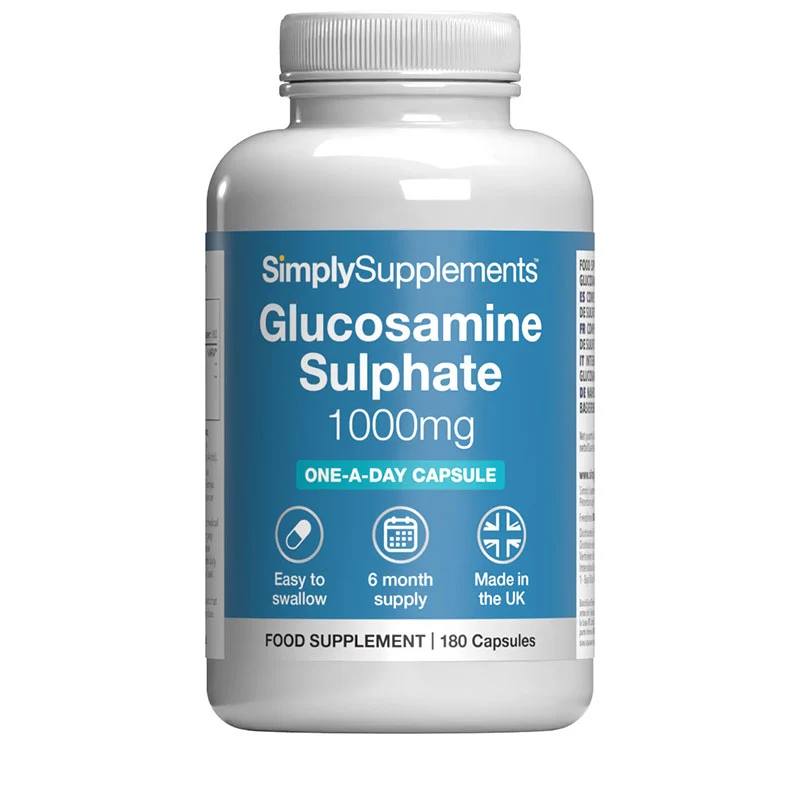
- Ingredient Source: Look for high-quality sources, such as plant-based glucosamine or pure MSM.
- Dosage and Form: Consider what form (capsule, powder) works best for you and ensure the dosage aligns with clinical recommendations.
- Cost per Serving: Compare prices across different brands to find the most cost-effective option.
- Reviews and Evidence: Research customer reviews and look for studies supporting the efficacy of the supplement.
Moreover, it’s essential to read labels carefully and consult with your healthcare provider if you have any underlying health conditions or are taking other medications. This ensures that any supplement you choose does not interfere with your health or treatment plan.
Ultimately, the decision to take glucosamine or its alternatives is highly personal and should be based on individual research, lifestyle, and health considerations.
Practical Takeaways on Joint Health Supplements
In summary, while glucosamine supplements might be beneficial for some, the evidence is mixed, and many health authorities, including NICE, do not endorse their use. Exploring alternatives such as MSM, turmeric, or vegan glucosamine can offer similar benefits and potentially better align with your health goals. Remember, a thoughtful approach to supplementation, focusing on ingredient quality, dosage, and cost-efficiency, can help you make the best decision for your joint health.
Frequently Asked Questions
How long does it take to see results from glucosamine?
Many users report seeing results within 6-8 weeks of consistent use, but this can vary by individual.
Are there any side effects associated with glucosamine?
Common side effects can include stomach upset, nausea, and diarrhoea, particularly at higher dosages.
Can I take glucosamine if I have a shellfish allergy?
Persons with shellfish allergies should avoid glucosamine derived from shellfish sources and consider vegan options instead.
What is the best time to take glucosamine?
It is often recommended to take glucosamine with meals to improve absorption and reduce potential stomach upset.
How does MSM compare to glucosamine?
MSM may help reduce inflammation and improve joint function when taken alone or in combination with glucosamine.
Are there vegan options for glucosamine supplements?
Yes, vegan glucosamine supplements are available and are typically derived from corn or fermented sources.