
As we age, many active adults experience joint stiffness and discomfort that can disrupt their daily activities and hobbies. This is particularly true for those over 40 who engage in physically demanding activities such as running, walking, or gardening. If you’re in this category and experiencing discomfort, you may be wondering about the potential benefits of glucosamine supplements for maintaining joint health. However, the evidence concerning glucosamine is mixed, leading to questions about whether these supplements are worth your time and investment.
This article will address the concerns and questions you might have regarding glucosamine, including its different forms, effectiveness, recommendations from organisations like NICE, dosages, potential side effects, and how to choose the right product for your needs. By understanding these factors, you can make informed decisions about whether to incorporate glucosamine into your joint care routine. Many teams turn to best glucosamine and chondroitin supplements to handle exactly this kind of workload.
Key Takeaways
- Glucosamine supplements are often used for joint health, but evidence is mixed
- NICE does not endorse glucosamine supplements for joint care
- Dosage can vary; seek guidance for best practices
- Vegan options are available for those seeking natural joint support
What is Glucosamine and How Does it Work?
Glucosamine is a naturally occurring compound found in the body, particularly in cartilage. It plays a role in the formation and repair of cartilage, a tough connective tissue that cushions the joints. In supplement form, glucosamine is primarily available as glucosamine sulphate and glucosamine hydrochloride (HCl). While both forms are believed to support joint health, they differ slightly in composition and absorption.
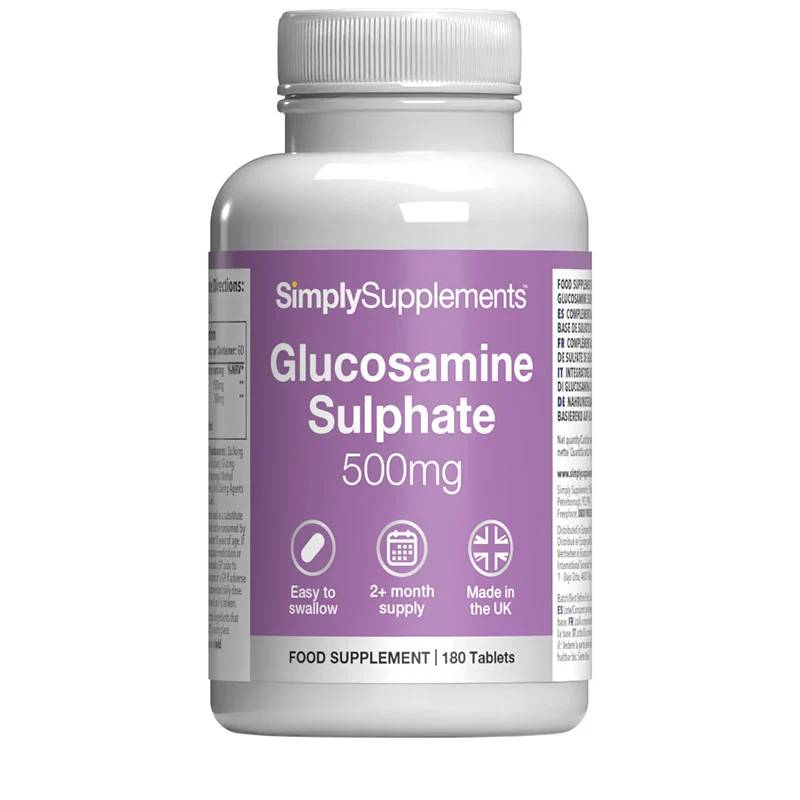
Glucosamine sulphate is often touted for its potential benefits in reducing joint pain and improving mobility, particularly in individuals with osteoarthritis. This form is typically derived from shellfish, making it unsuitable for vegans. On the other hand, glucosamine HCl is more readily available and may be a preferable option for those following a vegan diet. However, both forms have shown inconsistent results in clinical studies regarding their effectiveness for joint health.
Is Glucosamine Worth Taking? An Evidence Overview
The efficacy of glucosamine supplements remains a topic of debate. While some studies suggest that glucosamine may help alleviate joint pain and improve function, others indicate minimal or no benefit. The National Institute for Health and Care Excellence (NICE) does not currently recommend glucosamine for joint care, citing insufficient evidence to support its use. This can lead to scepticism among those considering glucosamine as part of their joint health regimen.
It’s important to approach glucosamine supplementation with realistic expectations. While it may aid some individuals, others may find little to no improvement. Consulting healthcare professionals can provide tailored advice, especially for those with underlying health conditions. Many readers explore options through glucosamine sulphate brands reviewed to gather more evidence-based insights on glucosamine supplementation.
How Much Should You Take?
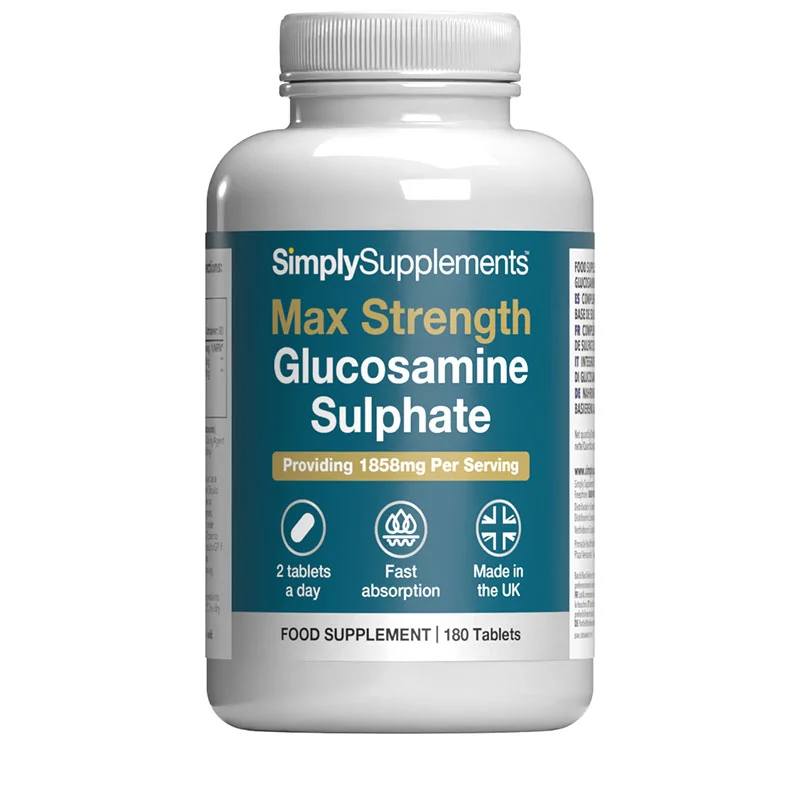
Determining the correct dosage can vary based on individual needs and the specific product used. Common recommendations suggest a daily dosage of 1500 mg of glucosamine sulphate, which may be split into smaller doses throughout the day. For glucosamine HCl, a similar dosage is often recommended, but it is essential to follow the manufacturer’s instructions or guidance from a healthcare provider. When this becomes a priority, Health & Wellbeing best glucosamine can make a real difference to your results.
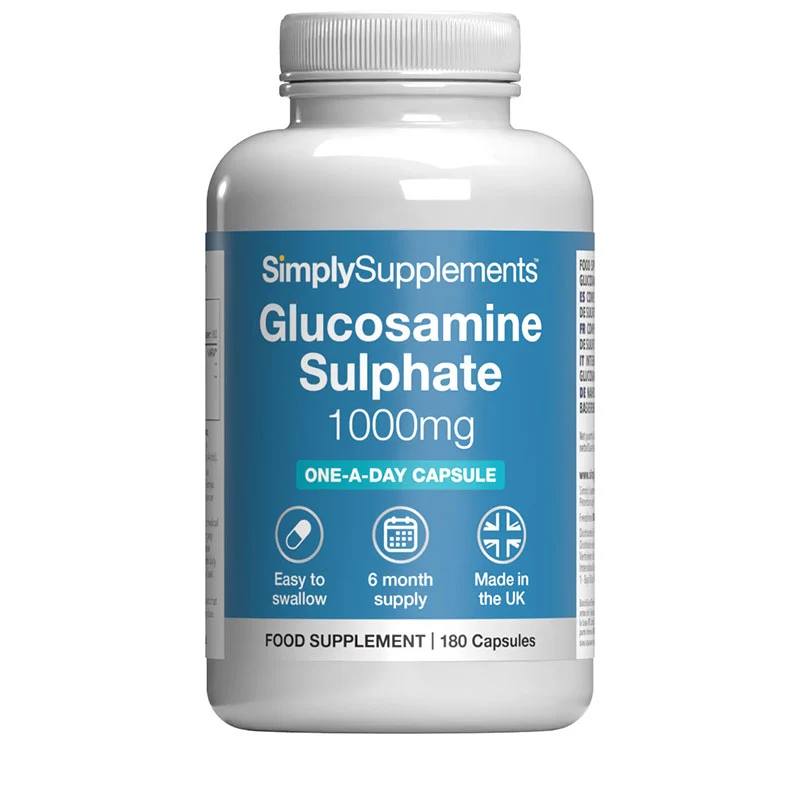
- Start with the standard dosage of 1500 mg per day.
- Monitor your body’s response over a few weeks.
- Consult a healthcare professional to adjust dosage if necessary.
Keep in mind that results may take several weeks to appear, so patience is key when starting supplementation. It is advisable for individuals to consider their activity levels and specific joint issues when evaluating dosage.
Potential Side Effects and Who Should Avoid Glucosamine
While glucosamine supplements are generally considered safe for most people, they can cause side effects in some cases. Common side effects include gastrointestinal discomfort, diarrhea, and nausea. Individuals who are allergic to shellfish should avoid glucosamine sulphate derived from shellfish sources. Additionally, those on blood-thinning medications should consult their doctor before starting glucosamine, as it might interact with these medications.
It is also worth noting that glucosamine may not be suitable for everyone. If you have specific health concerns or are pregnant or breastfeeding, professional medical advice is crucial. Many people turn to glucosamine dosage and timing for more insights into the potential side effects and contraindications of glucosamine.
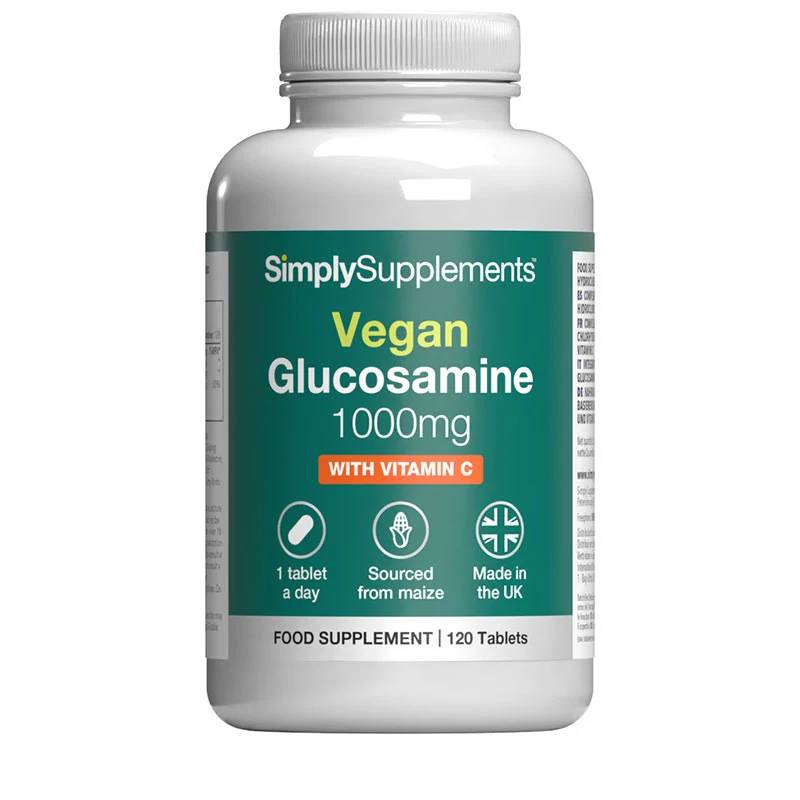
Exploring Vegan Options and Cost-Effectiveness
For those following a vegan lifestyle, there are glucosamine supplements available derived from non-shellfish sources, often labelled as vegan glucosamine. These products utilize fermentation processes involving corn or other plant materials, making them suitable for vegans and vegetarians seeking natural joint support.
Cost is another important factor when considering glucosamine supplementation. Prices can vary significantly between brands and formulations, so it’s essential to evaluate cost per serving. Many higher-priced options do not necessarily guarantee better results, making it wise to compare products carefully. The table below provides a comparison of popular glucosamine supplements available in the UK, highlighting key attributes: It pays to weigh up best joint supplements UK before you commit to a setup.
| Brand | Formulation | Cost per Serving (£) | Vegan Option |
|---|---|---|---|
| Brand A | Glucosamine Sulphate | 0.50 | No |
| Brand B | Glucosamine HCl | 0.45 | Yes |
| Brand C | Vegan Glucosamine | 0.60 | Yes |
| Brand D | Glucosamine Sulphate | 0.55 | No |
Pros and Cons of Glucosamine Supplements
Before deciding to include glucosamine supplements in your health regimen, it’s helpful to weigh the potential benefits and drawbacks:
Pros:
May support joint health and mobility, particularly in some active individuals. Available in both glucosamine sulphate and HCl forms, providing options based on dietary preferences. Some users report subjective improvements in joint stiffness and pain.
Cons:
Efficacy is mixed; not all studies support its benefits. Not recommended by NICE, which may raise concerns about its overall effectiveness. Potential side effects and interactions with certain medications.
Summary of Key Considerations for Glucosamine Supplementation
In summary, glucosamine may be worth considering for active adults over 40 who are experiencing joint stiffness or are concerned about long-term joint health. However, given the mixed evidence and the lack of strong recommendations from organisations like NICE, it is essential to approach supplementation cautiously. Carefully assess your individual needs, consult healthcare professionals when necessary, and evaluate various products for cost-effectiveness.
Frequently Asked Questions
How long does it take for glucosamine to show effects?
Users may start to notice improvements in joint stiffness after taking glucosamine for several weeks, typically around four to six weeks.
Is glucosamine safe for everyone to take?
While generally safe, glucosamine may not be suitable for individuals with shellfish allergies or those taking blood thinners. Always consult a healthcare provider.
What dosage of glucosamine is recommended?
The common recommendation is 1500 mg per day, which can be divided into smaller doses throughout the day based on personal preference.
Can vegans take glucosamine?
Yes, there are vegan glucosamine supplements available, typically derived from corn or other plant sources.
What are the potential side effects of glucosamine?
Common side effects include gastrointestinal discomfort, nausea, and allergic reactions in those allergic to shellfish.
Is glucosamine worth the investment?
The value of glucosamine varies by individual; some may find it helpful, while others may not experience significant benefits.