
You’ll find a quality wild-take-a-deep-breath scary about creeping into a environment where one stealthy knife counts more than a army of soldiers. Assassin’s Creed: Shadows captures that feeling, then turns it up. For those who used to leap off Notre Dame, dash down Boston side streets, or melt into a Venetian market while a target strolled by, this latest game hits like a beloved memory, keen and a slightly painful.
Venturing into Feudal Japan: A Long-Awaited Journey
As soon as the loading icon faded and I entered the verdant bamboo forests of old Japan, it struck me: Ubisoft was dedicated. Shadows is the answer long-time fans begged for, yet it also lets you feel like the myth everybody murmurs about- a king of night wearing silk and blood. The studio at last married heavy, precise combat to the spine-tingling fear of a real ghost hiding in the dark. So if you’re exhausted from the massive number-crunching of Odyssey or the constant stamina chore in Valhalla, this game drags you back to backstreets and reminds you why you came in the first place.
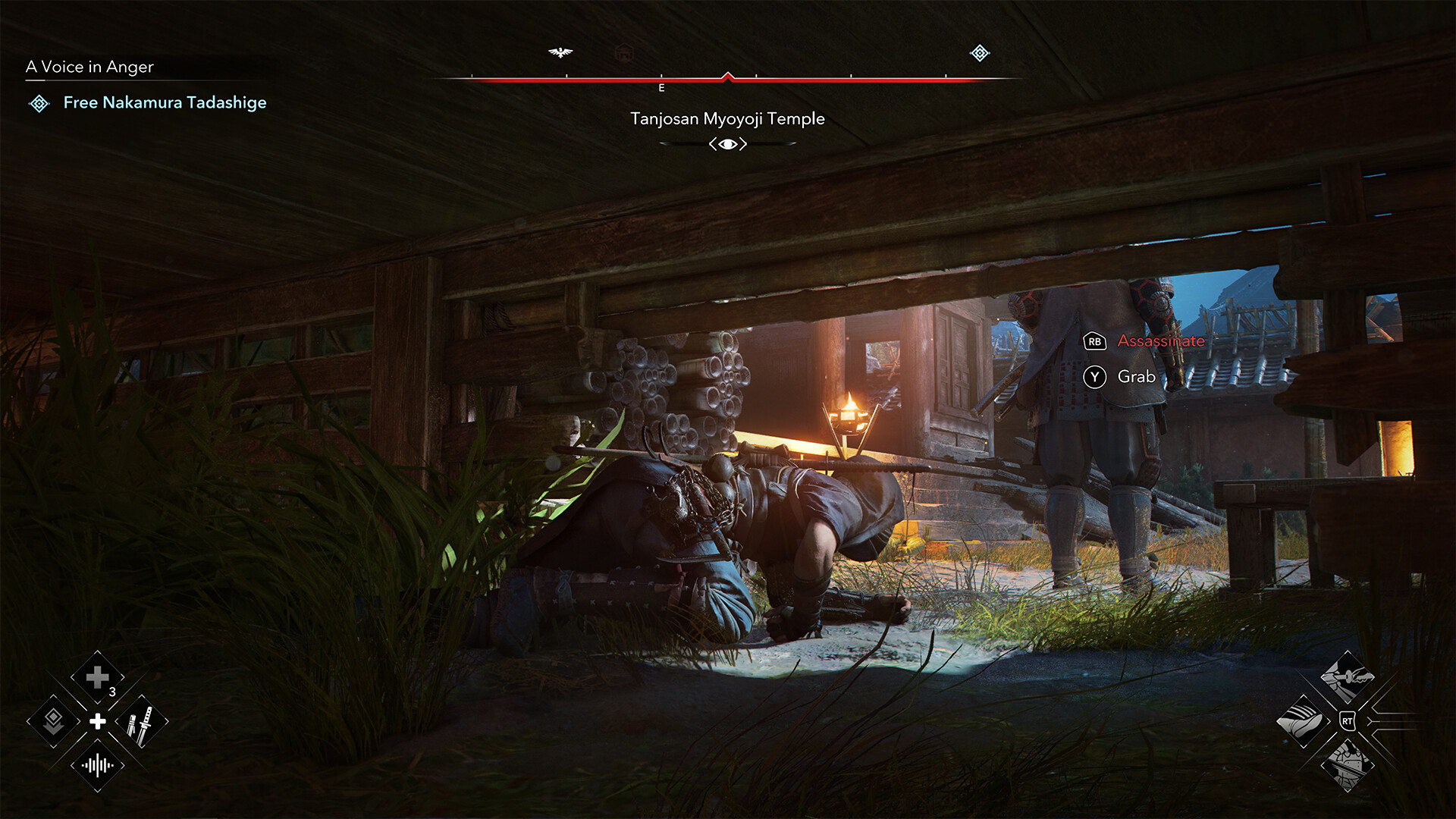
Let’s skip the small talk and dive into the enjoyable part: you step into two assassins, Naoe and Yasuke. Naoe is the quiet ghost who glides through shadows, while Yasuke is the living storm, smashing enemies on the battlefield. That pairing feels innovative because the story approaches their approaches the same way a great movie crew mixes light with explosions. Alternating between them isn’t just for show—it alters the entire mood around you. When I played as Naoe, I perched on rooftops, wore the darkness like a jacket, and stealthily eliminated whole camps before anyone noticed. Then, popping over to Yasuke, I sauntered through the front gate, katana placed on my shoulder, grin wide and inviting the guards to even look away.
Our Dual Protagonists: A Symphony of Silence and Strength
What sets Shadows apart, what gives it that energy, is how genuine the gameplay is. It never pretends to be complex, yet everything appears precise and satisfying. Wield a sword and the sound splits the air; sneak past a guard and the animation is so clean it could cut glass. Naoe’s kill techniques are the finest the series has presented since Unity, and yeah, I’m bringing up that game. Unity was messy, but when you performed a assassination, it felt exquisite. Assassin’s Creed Shadows takes that DNA, strips away the issues and excess, and enables you be deadly from the start. You don’t labor for hours to unlock a awesome takedown; you pick it up in the first mission, and the game trusts you to use it.
Fighting is still something you can dodge, but if you step in, man, it strikes hard. Deflections in Shadows seem less like a quick test of reaction speed and more like getting into a rhythm. Think Sekiro, but with the difficulty dial turned down so you can still look slick without overworking your thumbs. The lock-on camera really helps you instead of pulling the shot away, and there’s no dumb stamina bar impeding your pace—just you, the sword, and that pulse moment before life ends.
Feudal Japan: A Living World, Not Just a Playground
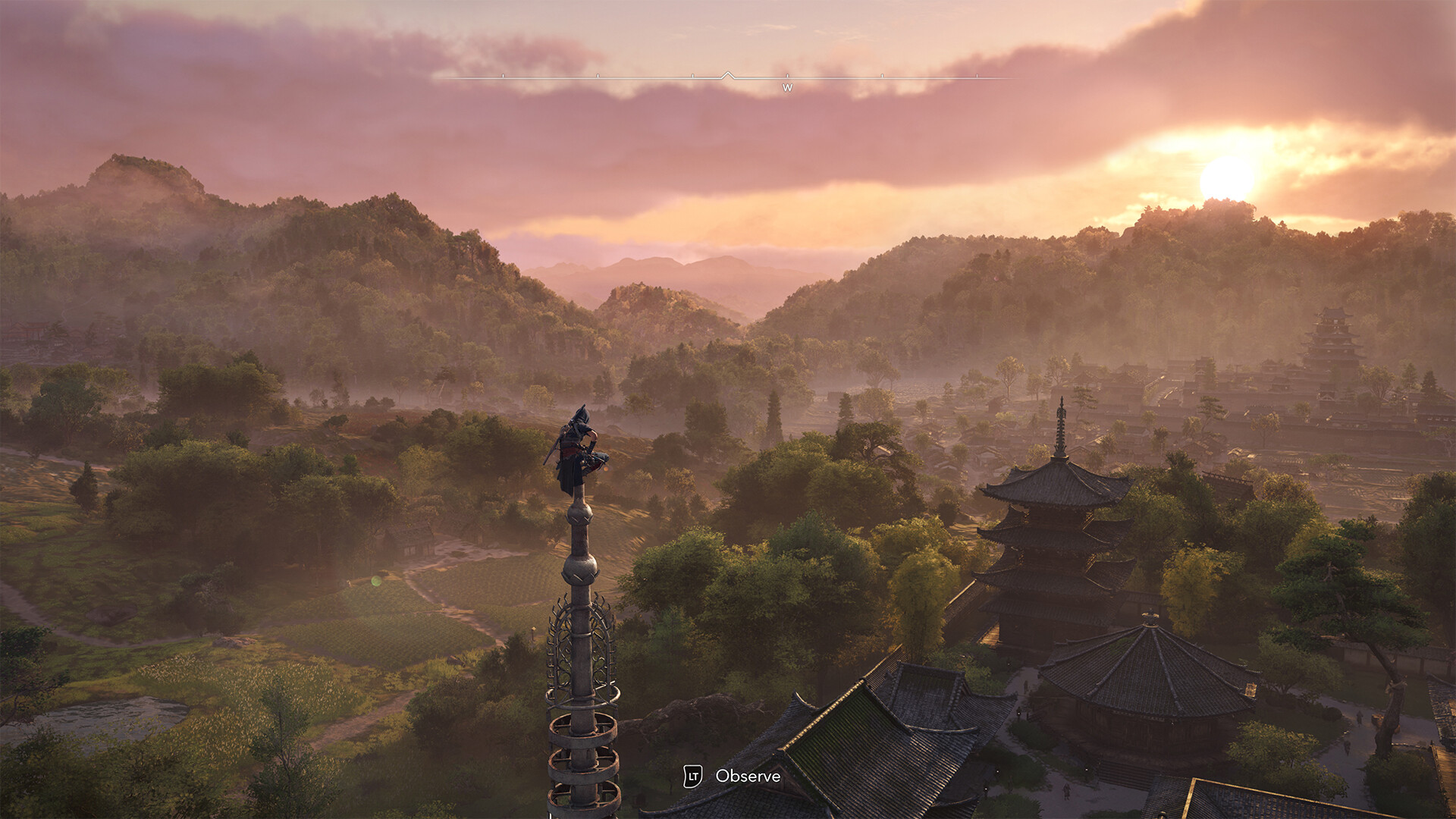
Feudal Japan isn’t just gorgeous—it’s welcoming. You’re not climbing two-thousand-foot cliffs just to mark a box on a list. Instead, you duck under low roofs in a downpour, trail a warlord through twisting lanes, or slide between rice-paper panels while shadows flicker. For the first time since AC2, the world at last feels tailored for an assassin. It isn’t just a map; it’s your backyard.
Sharper Contracts: Where Planning is Paramount
Those jobs seem more precise, too. The bullet-absorbing targets who shrug off ten hits are gone. You sneak in, identify the target, dispatch him, and fade away like a ghost. No awkward scuffle, no tedious chase unless you choose it. Because of that, it seems like Hitman offered advice in the development team. You have numerous ways in, the place is a playground, and the game rewards stealthy kills. That type of design pulls you back for a second run, it’s not that a menu pushes you, but because you understand you could have done it more cleanly.
I’m not going to pretend I wasn’t doubtful this new title would trip like some earlier entries did. I’ve been a fan since Altair was still figuring out how to vault over a haystack. Over the years, I’ve watched the series excel, stumble, and almost sink in menus packed with loot. Shadows sliced straight through that mess. It remembers what made the original appealing and never strays from it—specifically, the rush of spotting a mark from a rooftop, planning the job in your head, then slipping out again before anyone suspects.
Witness Naoe’s Journey: Where the Soul of the Tale Resides
And Naoe? She commands the limelight. Her gadgets—mostly that heavenly grappling hook that finally enables you scale the roof of a pagoda without circling for an hour—are neat, sure, but it’s the vibe she radiates that makes the whole package. Yasuke offers the confident swagger, but Naoe embodies the core.
The Grand Reunion: Assassin’s Creed Is Back to Its Best
That doesn’t suggest Shadows is perfect, but it’s not that far, and an alternative if you buy PS5 games. The common open-world tedium—the odd task, the scattered collectibles—is still waiting if you go exploring. The great news, though, is that you don’t have to delve at all. The primary plot doesn’t drag you toward diversions. So if all you want is to be a phantom in a misty, beautiful samurai city, the game will readily let you stay that way.
If Origins felt like a new start, Odyssey was the massive RPG test, and Valhalla just went on and on, then Shadows is the heartfelt homecoming. So, if you want an Assassin’s Creed that doesn’t waste your hours, lets you choose to be stealthy or brutal, and delivers both finesse and pure power in almost balanced doses—look no further, this is the one. Return back to the Creed.