
How Combat Mechanics Have Developed Over the Decades
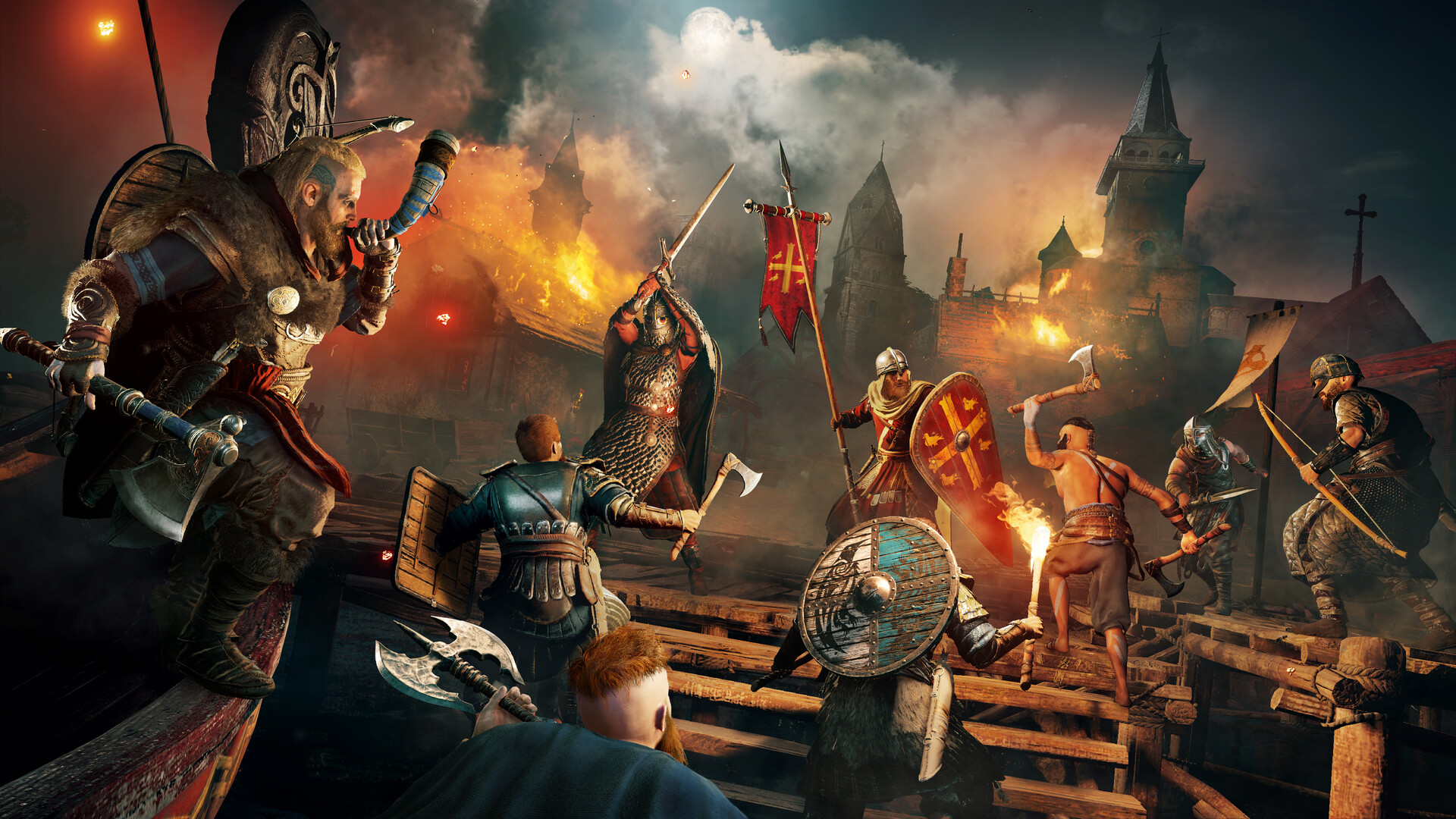
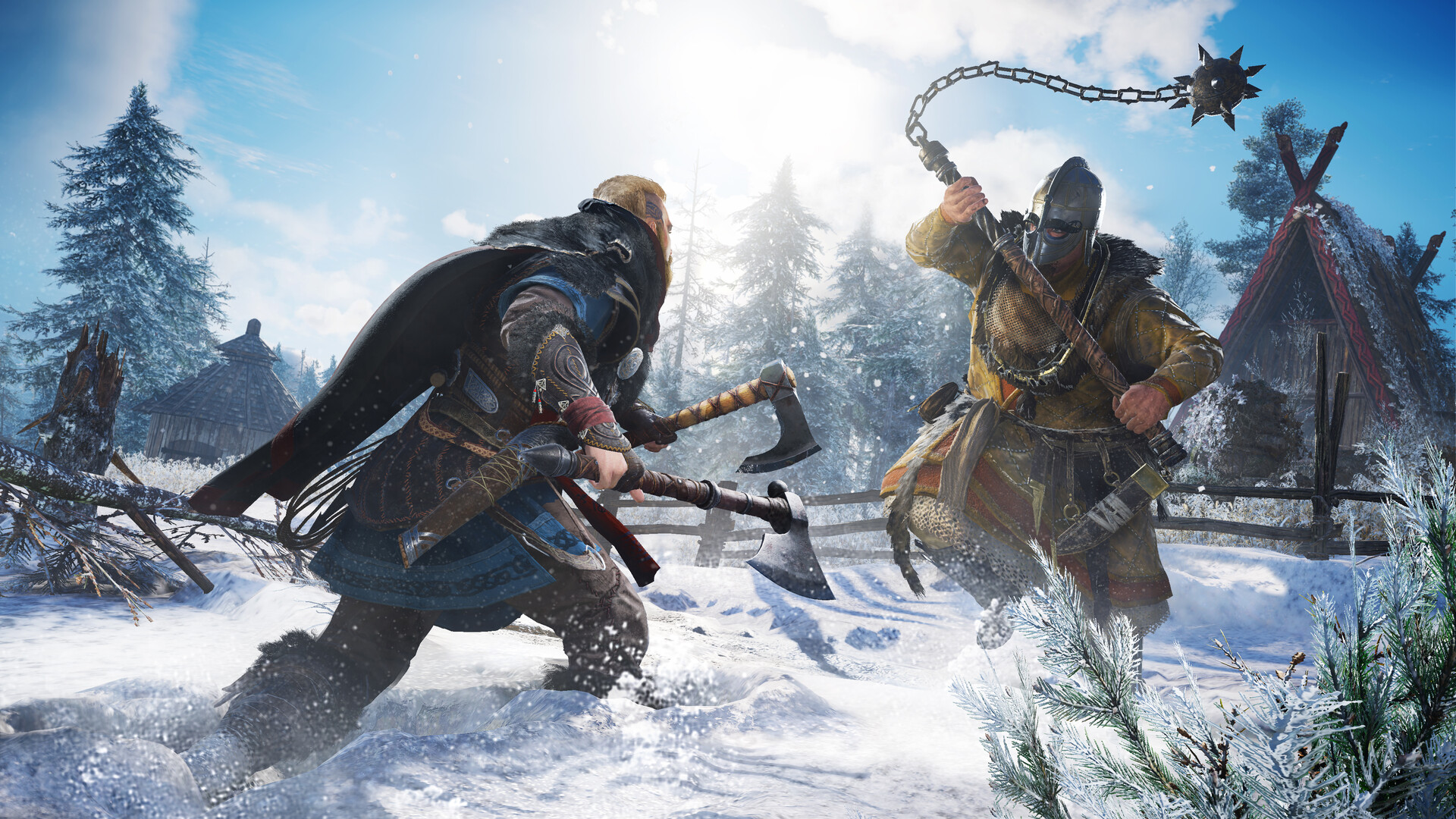
Skirmishing in Ubisoft’s Norse adventure is a far cry from the exactness of previous entries. Long past are the times when you could dance through a war-torn arena like a demigod, deflecting with grace and taking down adversaries with a flick of the wrist. Instead, Valhalla throws you into frantic close-quarters fights that feel more like a drunken tavern fight than a tactical engagement. And while that might feel like a compromise, it’s not completely lacking value.
There’s a certain realism to Valhalla’s fighting. You perceive the mass of every blade arc, the impact of bone against blade, and the weariness from drawn-out combat. It’s gritty, gut-level, and occasionally satisfying. But the problem is that it’s also unfocused, like we buy games. Foes converge without much strategic diversity, and the gameplay often collapses into frantic input-based survival rather than tactical interaction. The finesse is gone, substituted with brute force and an energy meter that feels more like a leash than a feature.
This is a change that could attract fans of unpolished, brutal combat, but for individuals who recollect the grace of Ezio’s counters or the smoothness of Connor’s dual-wielding, it’s challenging not to see this as a regression. Development doesn’t always signify improvement—it just means change. In the case of Valhalla, it’s a transition that gives up clarity for chaos.
The Profound Impact of Narrative Themes on Culture
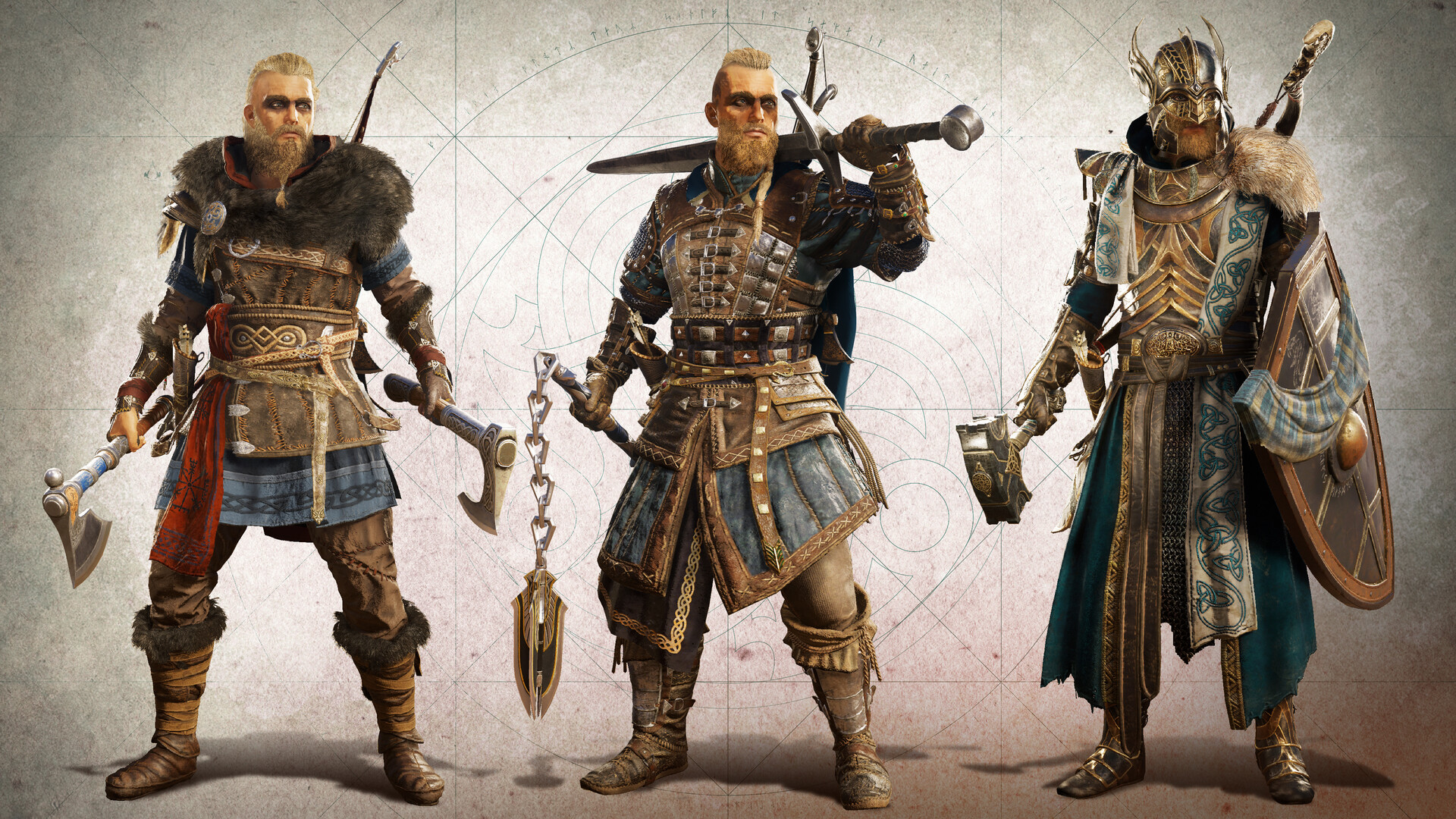
Assassin’s Creed Valhalla displays its inspirations on its fur-lined sleeve. The strategic manipulation and gray morality of the Thrones universe are reflected in the frequent political bonds, double-crosses, and tactical gambits. The Witcher 3’s shadow dominates subtly in the form of sprawling side quests that suggest complexity but often boil down to fetch errands dressed with Norse mythology.
The flaw isn’t that it takes inspiration—it’s that it copies without comprehending what made those tales captivating. Valhalla offers choices, certainly, but they lack meaningful consequences. You can align with one regional monarch over another, but the endgame is usually the same: one more pillage, one more land subdued, another name forgotten.
That RPG excelled because its setting breathed, its stories personal. The Norse realm is wide-reaching, but it’s lacking depth. Inhabitants populate the world to be talked at, not to be cherished. The governance schemes are there, but they lack teeth. It’s as if the developers browsed the abridged versions of their beloved series and called it sufficient. Unfortunate fact: it didn’t work.
How Protagonist Performance Impacts Player Immersion
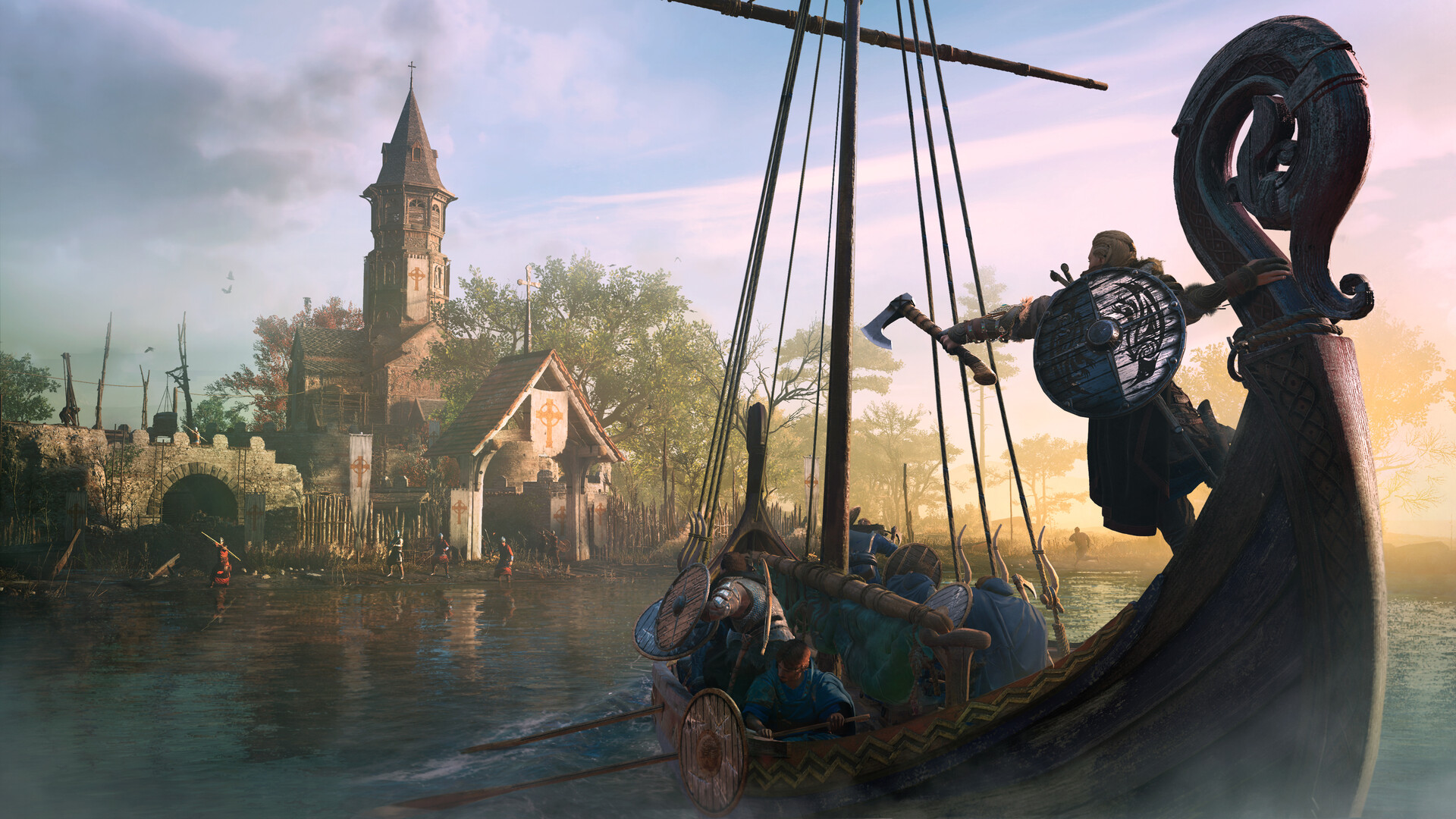
Our main character, the Viking protagonist through this saga, is a character stuck between polar opposites. On one hand, the voice acting leans into the theatrical, with grand declarations and overwrought monologues which seem to be taken from a high school Shakespeare play. On the flip side, there are occasions of real sadness—soft musings, haunted tones—that imply a deeper, more compelling character.
Yet these occasions are brief. Eivor is passably charismatic, but not truly noteworthy. They lack the charisma of Ezio, the gravitas of Bayek, or and also the conflicted charm of Kassandra. Rather, they reside in a liminal space—practical, but unmemorable. The portrayal is competent, but it seldom improves the subject matter. It’s difficult to feel strongly about a character who seems more like a vehicle for quests than a person with agency.
Modernizing a Long-Running Franchise
This stealth-action franchise is a title that’s been around long enough to have its own legacy. Innovation is tricky when you’ve already reshaped your formula multiple times. Assassin’s Creed Valhalla doesn’t attempt to revolutionize—it reworks the known. And to its advantage, it does so with a certain elegance.
The mechanics is stable. The setting, while overextended, is gorgeous. The tale, though unoriginal, is consistent. It’s a safe entry, one that doesn’t push boundaries but also doesn’t fail dramatically. In a saga that’s seen both brilliant successes and cringe-worthy failures, this game lands somewhere in the middle. It’s the kind of experience that you engage with, appreciate, and then leave behind eventually.
That’s not always a negative outcome. Not every release needs to change the landscape. Sometimes, a well-executed formula is adequate. But for series veterans who’ve been with the series since Altaïr performed that signature move, it’s hard not to wish for something more daring.
Analyzing the Relationship Between Historical and Modern Plots
In one aspect in which Valhalla shows real progress is in its approach to the historical and modern-day narratives. For years, the modern segments seemed like contractual obligations—awkward interludes that interrupted the primary story. Yet Valhalla is able to intertwine them with unexpected coherence.
If you buy PS5 games, you’ll observe transitions are more fluid, the stakes more apparent. The modern-day protagonist is more than a faceless hacker—they possess a goal, a personality, and a connection to the historical events. And on that point, Valhalla is more a success than a failure. Finally, Assassin’s Creed Valhalla is a work of conflicting elements. It’s ambitious but derivative, grounded but chaotic, well-made but unadventurous. It’s possible Valhalla isn’t trying to be the greatest Assassin’s Creed—it’s just trying to be a good one. The question of whether that’s enough rests on how much you can pardon.