
From Demigods to Drunken Brawlers: Combat’s Rocky Evolution
Let’s get one thing straight—Assassin’s Creed has been unsure what it intends its combat to be since Unity crashed into the Seine. Odyssey fully embraced Greek superhero fantasy, allowing you to punt mercenaries off cliffs like some form of leather-clad Zeus. Assassin’s Creed Valhalla, on the other hand, tries to return to a more realistic footing. Eivor is not a demigod; they are simply a very determined Viking with a sharp axe and a problematic understanding of personal space.
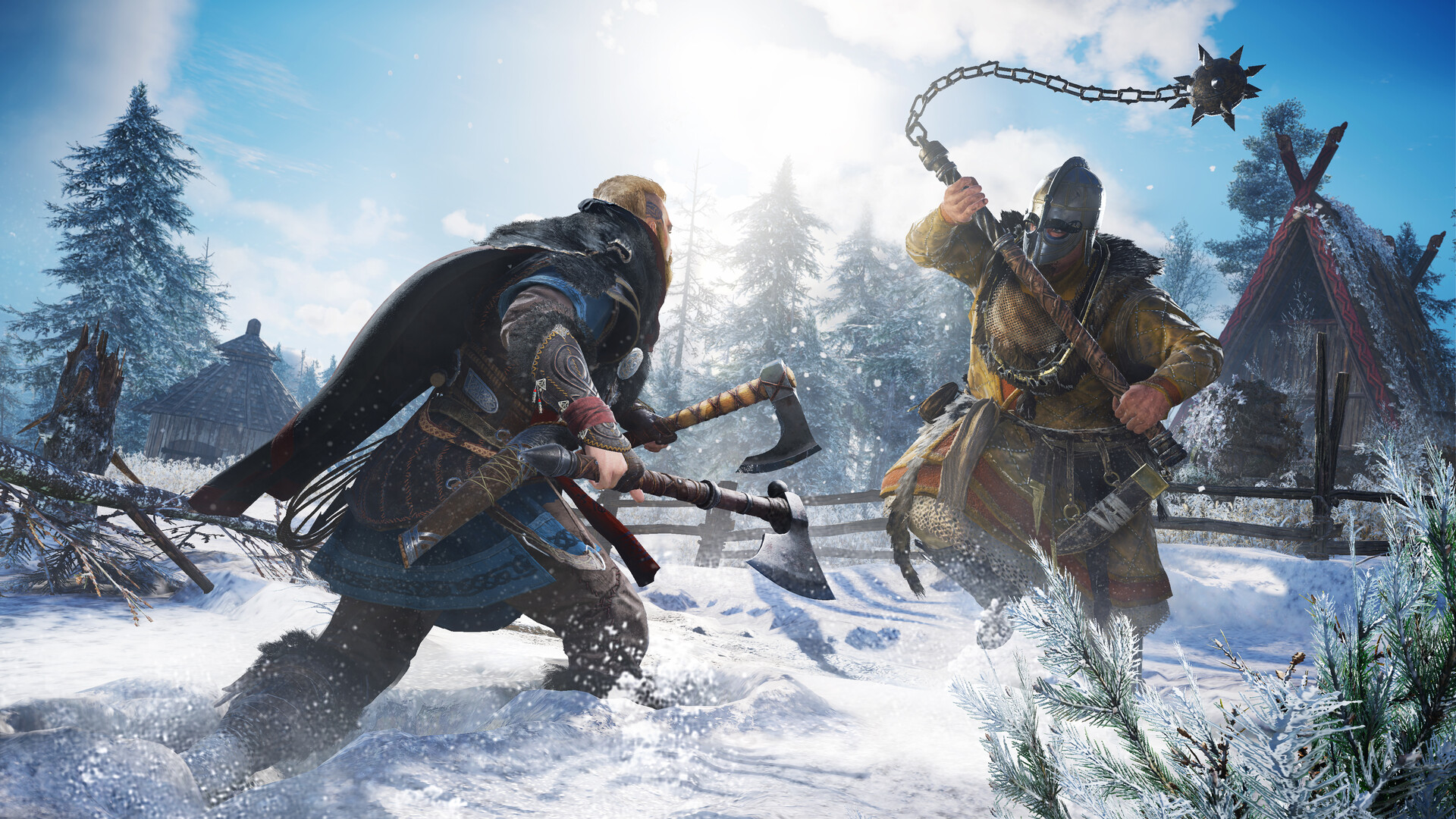
The upsides? Combat is perceived as more impactful. Executing an opportune parry or cleaving through a Saxon with a two-gripped Dane axe provides a pleasing crunch. The stamina system should add tension, making you think before recklessly swinging. Dual-wielding enables you to mix weapons in entertaining ways—axe and dagger, sword and shield, or, if you’re in the mood to be demented, two flails (as nothing screams “diplomatic envoy” like dual-wielding medieval wrecking balls).
The bad? The system is a mess. Enemy AI switches between expert warriors and guys who are unsure of which end of the spear to grasp. The camera, in itself, an infamous assassin without question, has a penchant for get intimate with walls during confined raids. And the stamina system, while a nice idea, frequently forces you into ungracefully retreating while Eivor gasps for breath like they just ran a marathon in full plate armor.
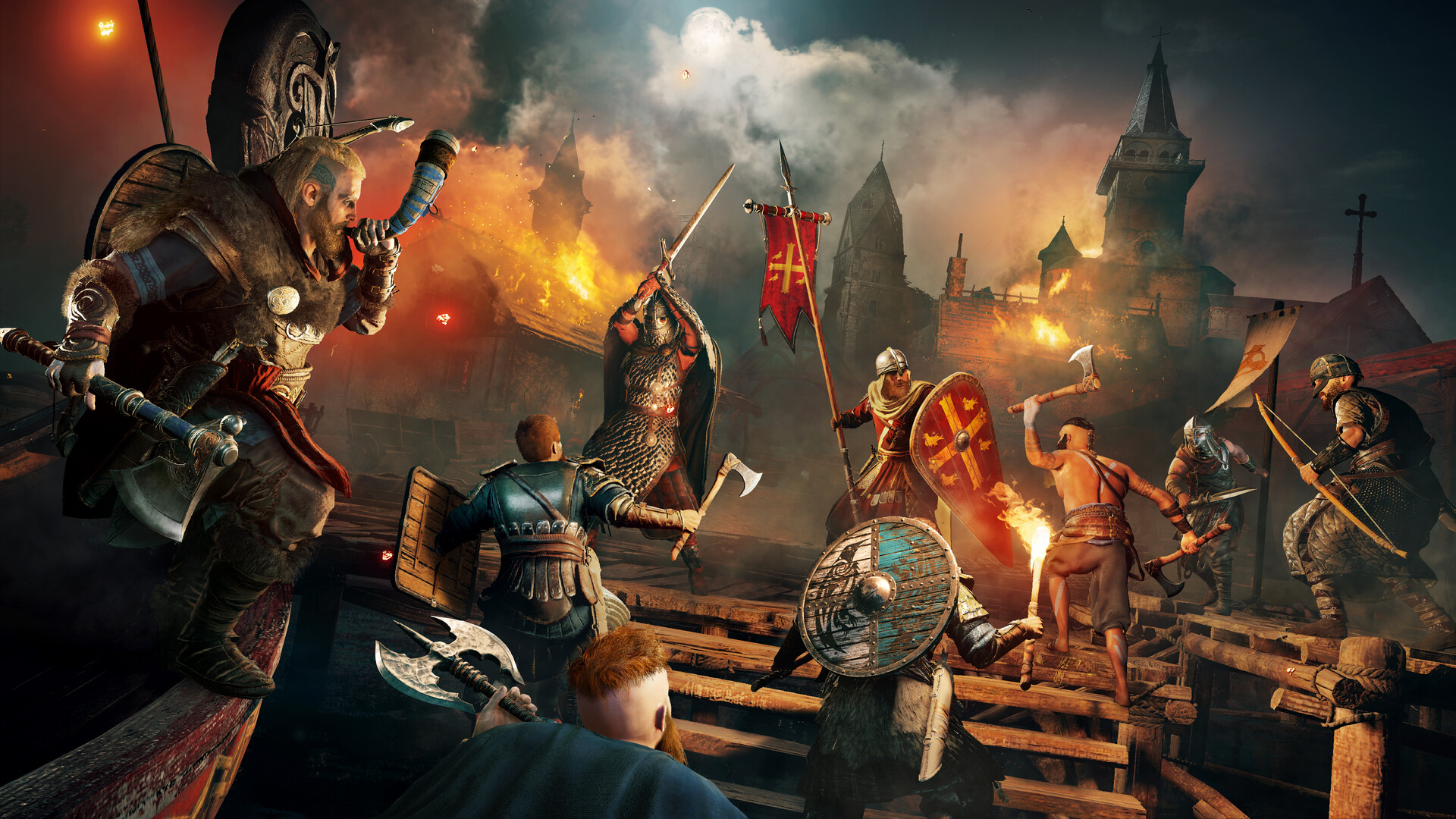
The biggest issue is, Xbox best games, the game wavers on if it aspires to be a methodical, substantial brawler or an uncontrolled power fantasy. At one point you’re carefully dueling an adept Saxon thegn, the next you’re triggering “Odin’s Fury” and shocking five men simultaneously. It’s fun, sure, but equally as sensible as a drunken skald’s recitation of Beowulf.
Narrative Disconnect: A Mismatch of Vikings and Witcher-Lite Stories
Valhalla’s tale wants to be The Witcher 3 with additional mead and reduced existential despair. There are political alliances, double-crosses, and choices that feign significance.
Consider the settlement system. You’re supposedly building a booming Viking community, yet your choices have minimal impact beyond a few visual changes. Side with one jarl over another? Hooray, you are given a modified speech at the feast. Place that against The Witcher 3, where picking Roche or Dijkstra could transform entire regions. Assassin’s Creed Valhalla’s “decisions” are just as impactful as christening your longship—enjoyable at the time, erased from memory five minutes later.
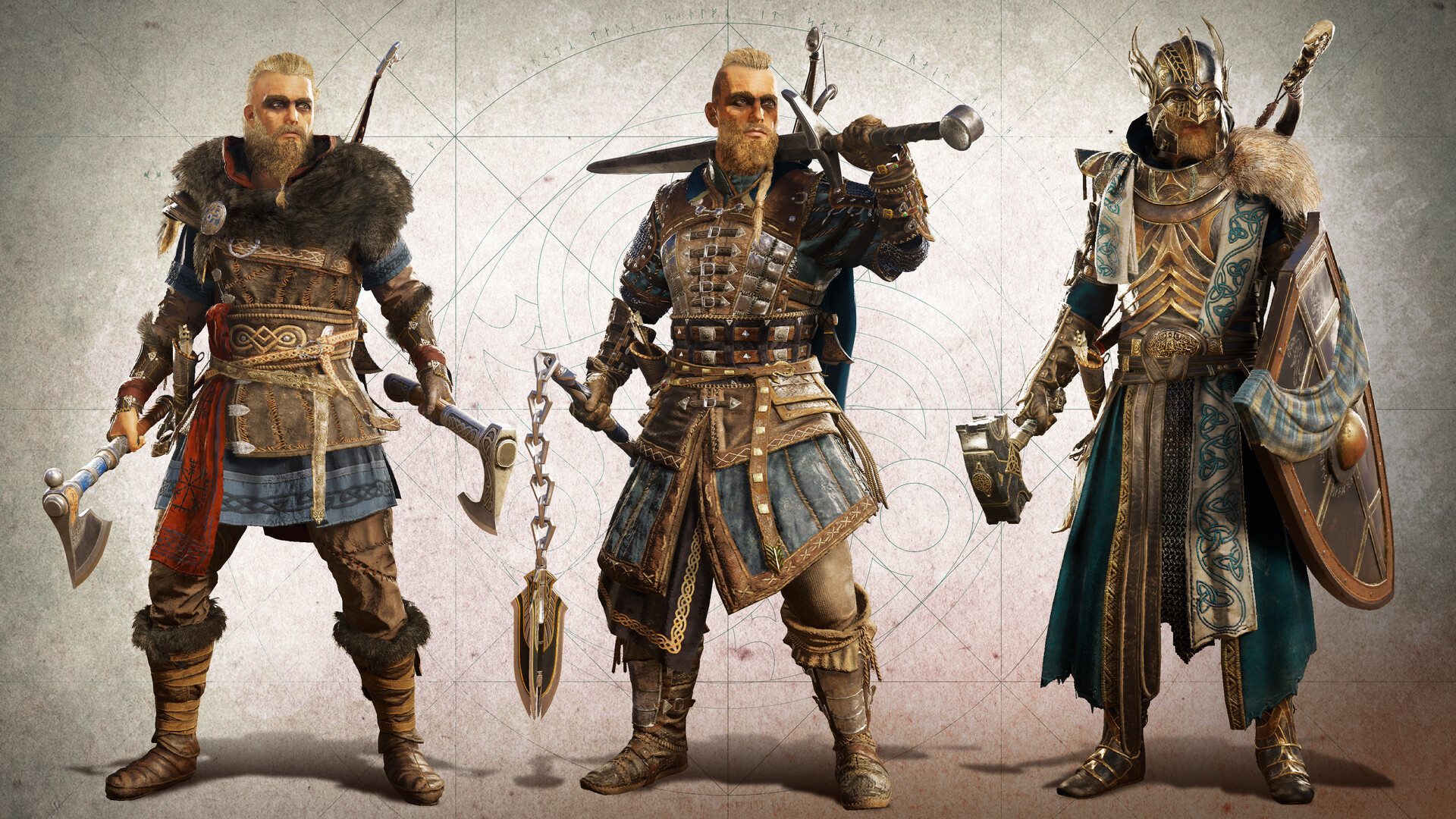
Furthermore, there’s the pacing. The game is organized like a Norse saga—chapter-based, digressive, and stuffed with padding. Some arcs, such as the violent power struggle in Suthsexe, are authentically engaging. Others, for instance East Anglia’s monotonous feud between two unremarkable nobles, resemble contractual duties. And to say nothing of the mythological digressions—a neat idea, but tonally jarring when Eivor switches from brokering land deals to bashing frost giants in Asgard.
The Strong Voice of Eivor: A Protagonist Seeking a Better Script
A compelling protagonist can salvage a lackluster story, and Eivor nearly succeeds. Magnus Bruun’s male Eivor is all gruff charm, spouting dry one-liners with the world-weary charm of a Viking who’s witnessed a great deal. Cecilie Stenspil’s female Eivor, alternatively, infuses a wistful sorrow to the part—less a bellowing berserker, more a warrior-poet with blood on her hands.
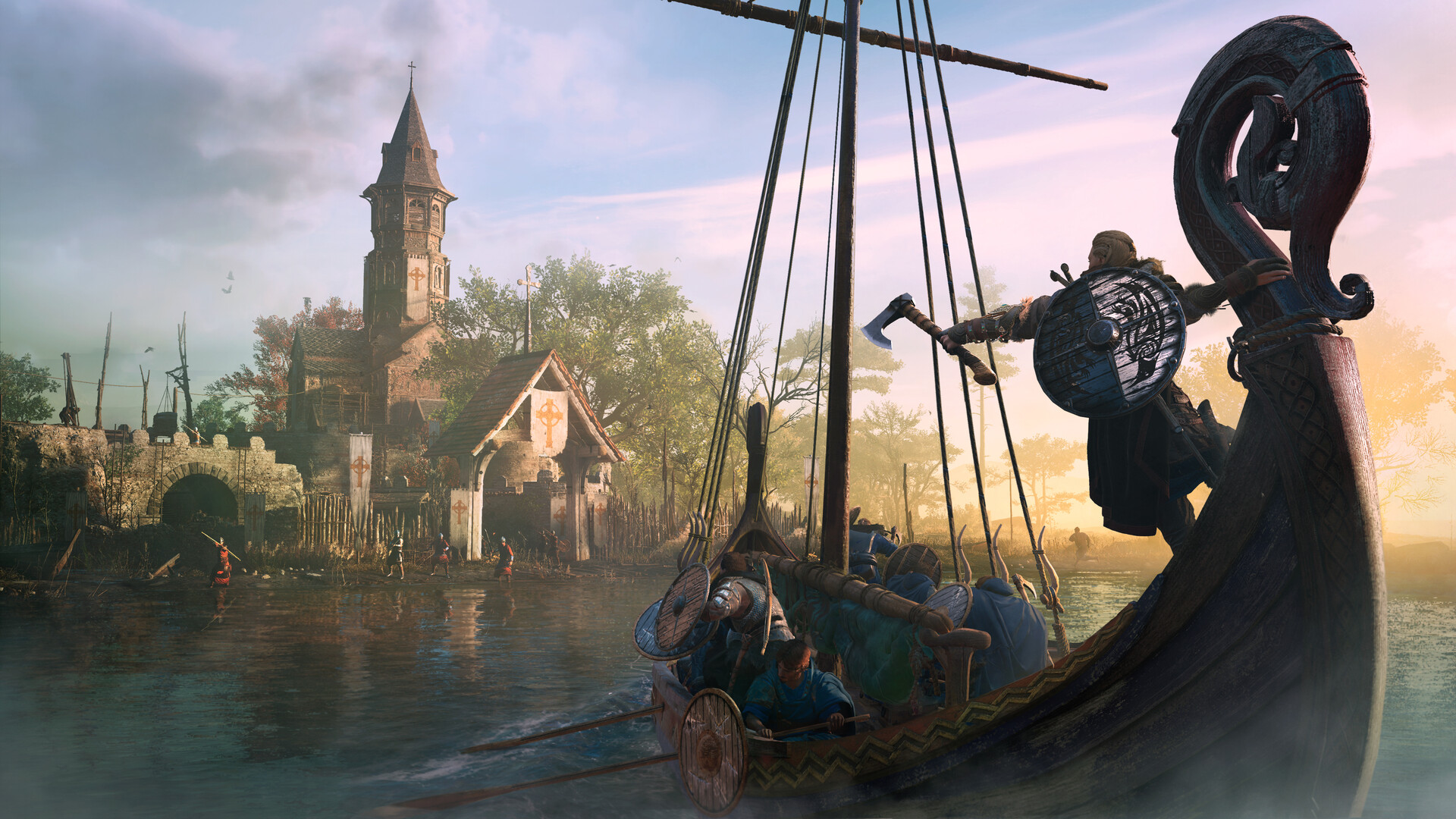
Eivor swings between ruthless conqueror and reluctant peacemaker depending on the quest. At one point they’re espousing wisdom worthy of a saga, the next they’re snarling “I’ll paint my axe with your guts” like a B-movie villain. The gender-switching gimmick (thanks, Animus claptrap) additionally dilutes any chance of consistent character development. Juxtapose that with Bayek’s primal grief in Origins or Ezio’s progression from brash noble to seasoned mentor.
A Feast with Too Much Bland Mead: The Final Conclusion
Assassin’s Creed Valhalla is not a total failure. It’s stunning, has glimmers of brilliance, and the raids are uncomplicated fun. For any given exhilarating siege, there’s a monotonous fetch quest. For each finely delivered scene, there’s an embarrassing line. Is it the poorest Assassin’s Creed? No. But after 13 years, “not the worst” ought not to be the standard. Here’s hoping the next installment recalls what made this series special—before it devolves into yet another open-world checklist.