
The Transformation of Combat Mechanics
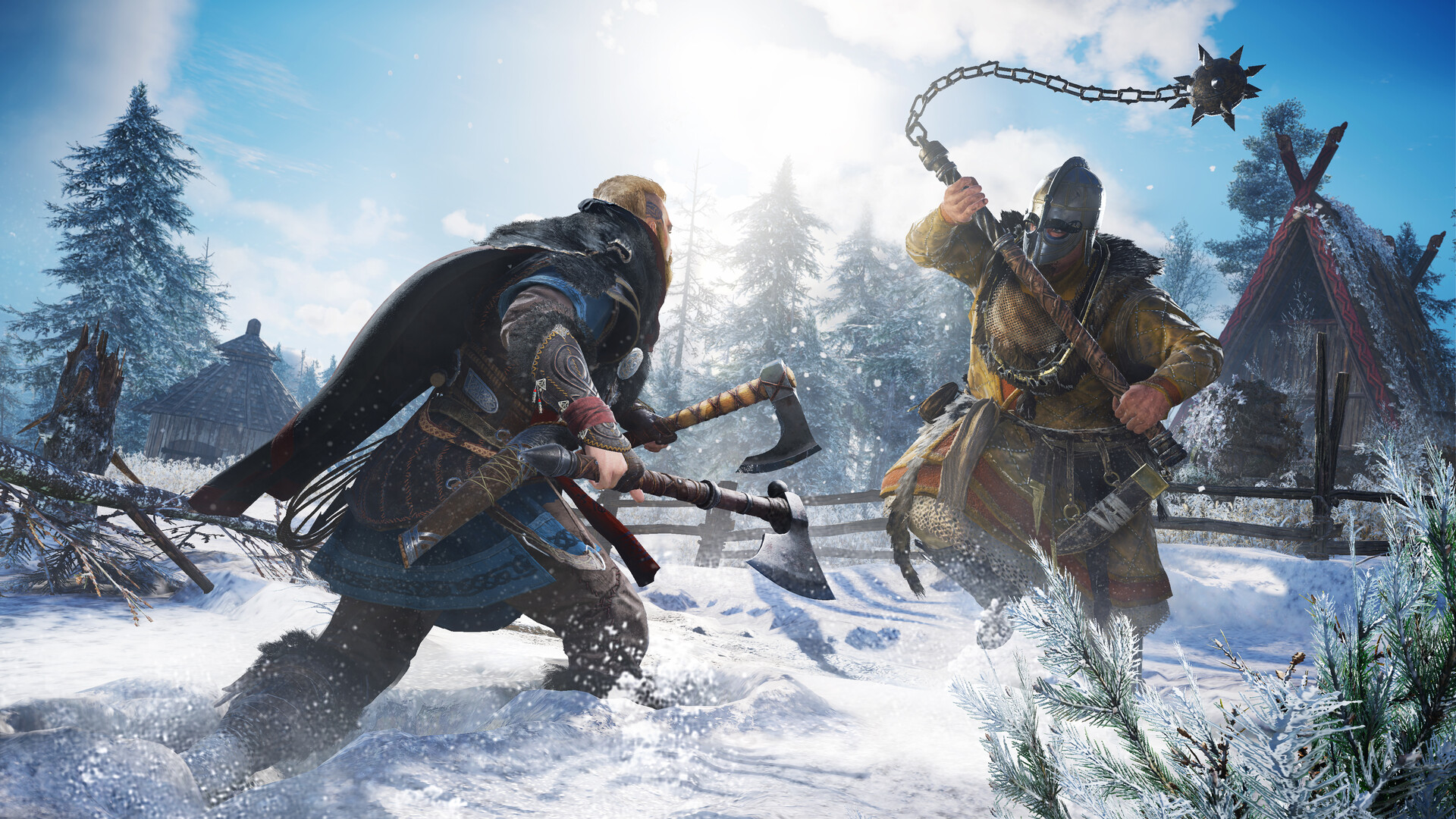
The stealth-action series has always experimented with the illusion of power. From the methodical, elegant strikes of the Florentine assassin to the almost godlike might of Kassandra, the series has never avoided making its main characters feel like unstoppable forces. Then came Assassin’s Creed Valhalla, with its unruly melee system that trades finesse for savagery. The change is obvious from the first time you pick up a rusted hatchet and get tossed into a fight that looks more like a tavern fight than a battlefield.
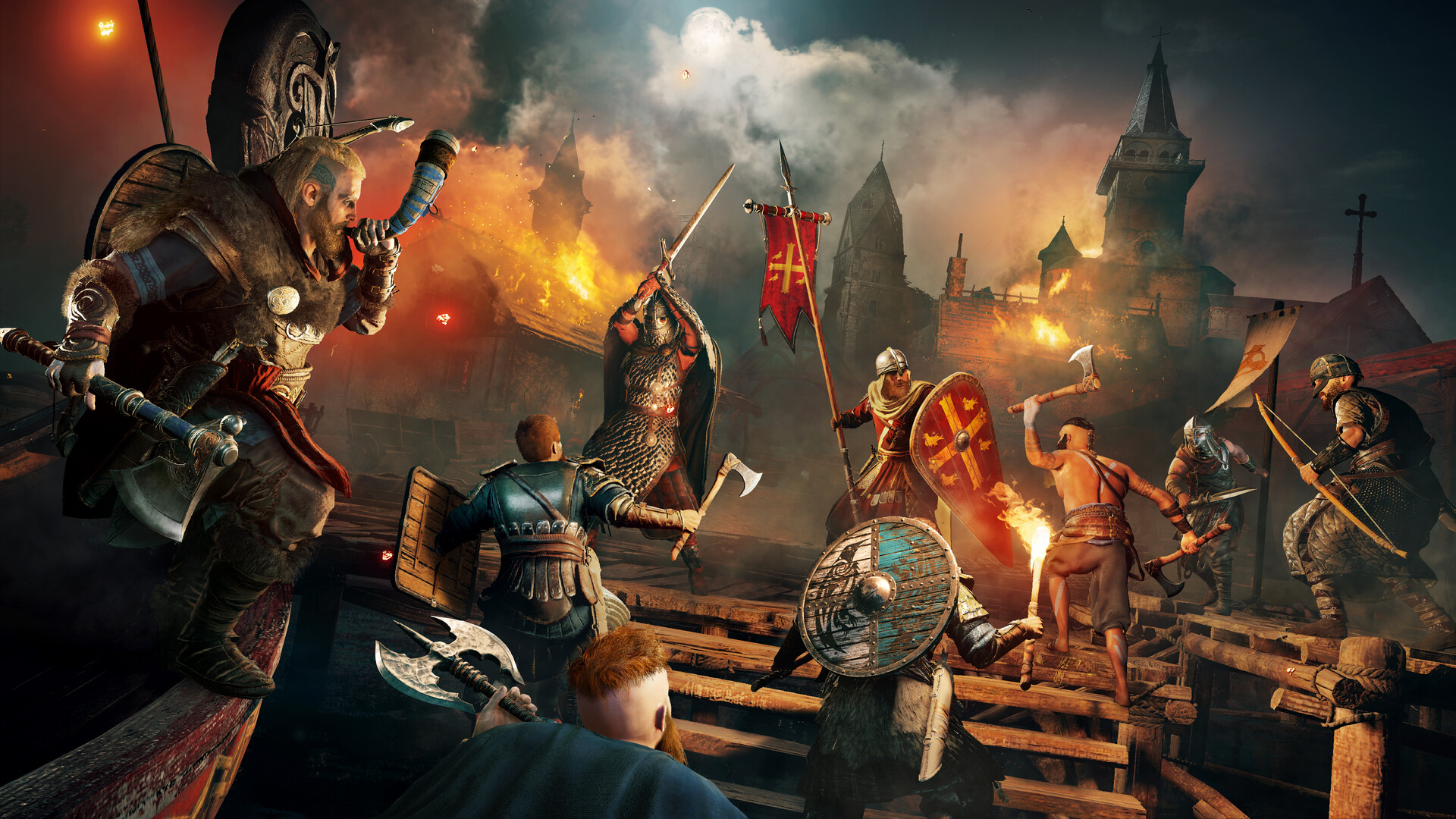
There’s something to be said for anchoring the fighting. It feels less like you’re choreographing a performance and more like you’re surviving a drunken fight. Swinging your weapon into a fighter’s defense and watching metal clash has a brutal satisfaction. But after a few dozen fights? The freshness fades. The elegance is gone. What remains is an unwieldy system that doesn’t know if it wants to be tactical or button-mashy. It compels you into these disorganized fights where parrying feels optional and skill trees hand out enhancements like treats at a Norse celebration. If Bayek’s adventure made you a near-deity and the Greek saga declared you an actual one, this game brings you back down to the ground—and then submerges you under redundant actions and delayed input lag.
Investigating Narrative and Thematic Influences
If Assassin’s Creed Valhalla wanted to be Assassin’s Creed meets The Witcher 3, it definitely included the props: moody landscapes, power-driven power struggles, and lots of introspective aristocrats who don’t know if they want to kill you or ally with you. But ambiance isn’t narrative, and copying isn’t originality.
The Game of Thrones influence is unmistakable—and not just because every other aristocrat seems to have a blade hidden behind their back. this game tries its effort at maneuvering, but it feels like someone skimmed a wiki summary of the War of the Five Kings and said, “Sure, we can do that.” Decisions exist, sure. But most of them are fake at best, cosmetic at worst. Execute this monarch, pardon that leader—the story plods on with minimal consequence. It lacks the narrative courage of CD Projekt’s masterpiece, where every decision leaves grime under your hands.
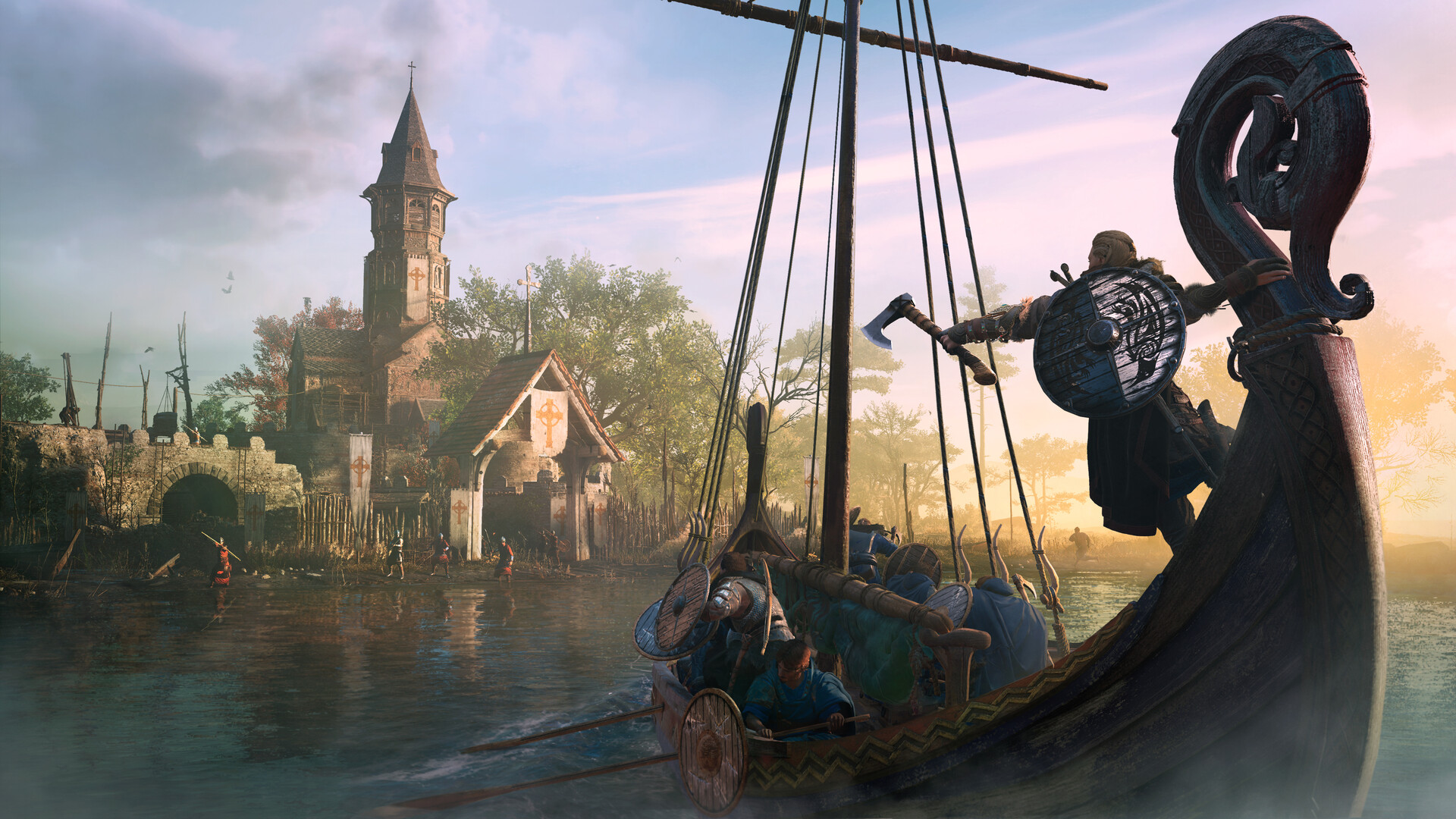
Instead, Valhalla dilutes its focus across a numerous petty conflicts, none of which stay long enough to matter. You’re a Scandinavian conqueror stuck doing local errands for every small-time chieftain with a grudge. It’s politics by formula, not by conviction.
Examining Protagonist Performance
Eivor is many things: warrior, explorer, reluctant killer. But “engaging”? That’s a stretch. The actress favors poetic, which functions in quiet moments but comes off unnatural during more dramatic sequences. The performer, meanwhile, sounds like he took performance direction from a Scandinavian-flavored community theater production.
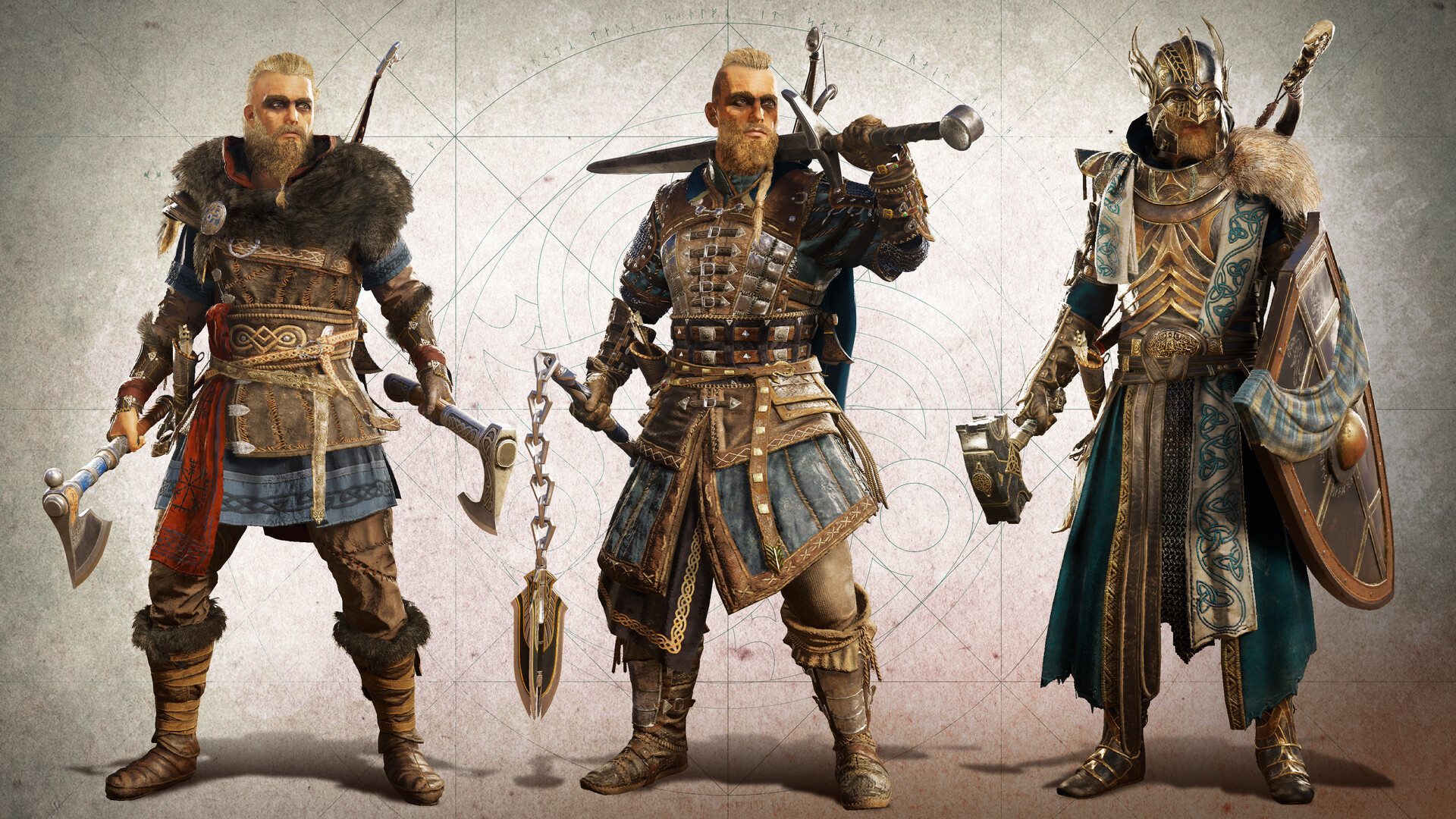
The protagonist is scripted to be many things to many people, and as a result, they come off as no one in notable. Unlike the Egyptian hero, who had deep motivations and a deeply human pain driving him, or even Kassandra, whose charisma practically jumped out of the display, the lead feels more like a hollow shell built to complete map markers.
You don’t guide them because you choose to. You progress because the game tells you to.
Modernizing a Stagnant Series
At this stage, the ones who buy cheap PS4 games understand that Ubisoft’s flagship is less a sequence and more a marketing label. It persists not by transforming itself, but by recycling well-known systems with new era-appropriate visuals. This game is a polished installment. The gameplay are adequate. There are no massive glitches, no obvious problems that break the gameplay. But there also aren’t many bold choices. And maybe that’s the most damning thing about it.
Connecting Past and Present Narratives
Here’s where Valhalla does stand out: the modern-day story is… actually coherent. After a long time of ignoring that entire narrative thread to the point of self-mockery, someone in the narrative department acknowledged that the modern protagonist exists and, more importantly, gave her a development that doesn’t feel tacked on at the final moment.
My Concluding Perspective on the Game
The Viking adventure isn’t an awful game. And for those of us who followed this franchise since the days of the Masyaf legend and Desmond, it’s hard not to feel like we’re seeing something we adored get lost in its own reflection. It’s vast. It’s brash. It’s functional. But it’s not bold. And if Assassin’s Creed is going to matter again, “competent” just won’t be enough.