
For adults over 40, maintaining joint health is often a priority, especially for those who are active in sports, gardening, or daily walking. As you approach this age, you may start noticing stiffness in your joints, which can impact your lifestyle. Glucosamine supplements have gained popularity as a potential aid for joint health; however, the market is flooded with various brands ranging from budget options to premium choices. It’s crucial to understand the differences in formulations and what the evidence suggests about their effectiveness.
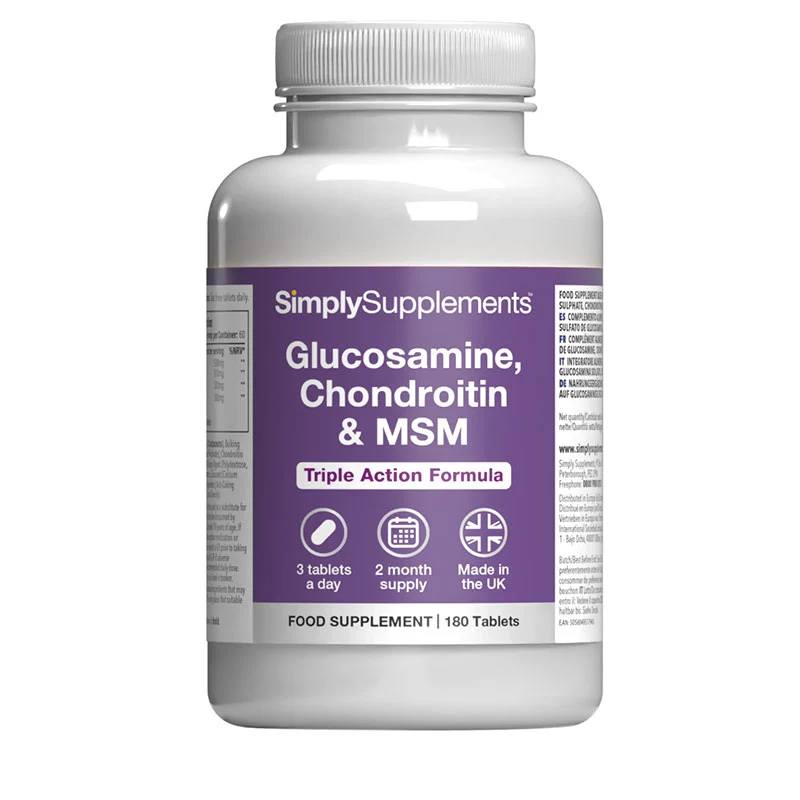
Statistics highlight that nearly 30% of adults aged 45 and above experience some form of joint pain. This has led many to explore supplements like glucosamine, but the question remains: do they truly work? With organisations like NICE (National Institute for Health and Care Excellence) not endorsing glucosamine, understanding the underlying science and the differences between products is vital for making informed decisions. Options such as MSM and glucosamine combination help keep everything running smoothly here.
Key Takeaways
- Understanding the difference between glucosamine sulphate and HCl is key
- NICE does not endorse glucosamine supplements for joint health
- Dosage and potential side effects should be considered
- Comparing costs effectively can maximize value for active individuals
What is Glucosamine? Understanding Sulphate and HCl Forms
Glucosamine is a natural compound found in cartilage, the tissue that cushions joints. For supplementation purposes, it is mainly available in two forms: glucosamine sulphate and glucosamine hydrochloride (HCl). The primary difference lies in their chemical structure and potential absorption rates. Glucosamine sulphate is often touted as the more effective form due to its sulphate component, which is believed to support cartilage and joint health, while HCl is considered to have a higher bioavailability.
Some studies suggest that glucosamine sulphate might provide slightly better outcomes for joint pain relief compared to HCl. However, evidence is mixed and varies significantly among individuals. When considering which form to choose, it’s essential to evaluate your specific joint health needs and discuss them with a healthcare professional.
Do Glucosamine Supplements Actually Work?
The debate over the efficacy of glucosamine supplements is ongoing. While some users report relief from joint stiffness, scientific backing is not conclusive. Research has produced mixed results, with some trials showing significant improvements in joint function and others indicating no substantial difference from a placebo. Moreover, NICE has stated that there is insufficient evidence to recommend glucosamine for osteoarthritis treatment.
As an active individual, managing expectations is crucial. If you do choose to try glucosamine, it’s advisable to monitor your body’s responses over a period of time, typically 4-8 weeks, to assess any changes in joint comfort or mobility. For anyone scaling up, http://uxcorp.net/bbs/board.php?bo_table=free&wr_id=411348 is well worth a closer look.
NICE Guidelines and NHS Recommendations on Glucosamine
NICE has clearly indicated that glucosamine should not be prescribed for osteoarthritis due to the lack of robust evidence supporting its effectiveness. The NHS echoes this sentiment, suggesting that while glucosamine might have anecdotal benefits, it should not replace conventional treatments. They recommend exploring other management strategies such as physical therapy, exercise, and weight control as more evidence-based approaches to joint health.
Determining the Right Dosage for Glucosamine
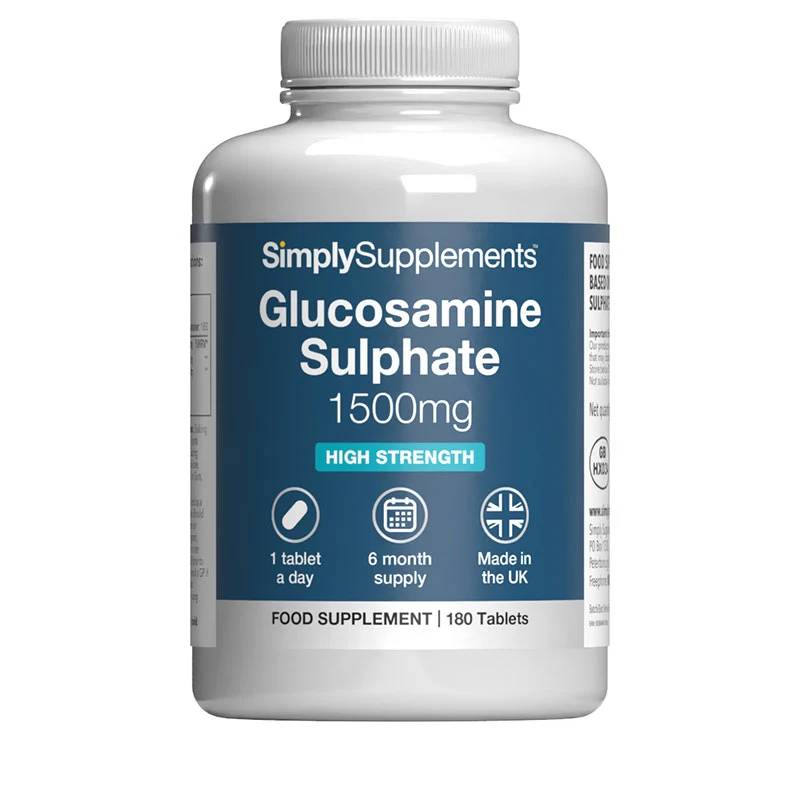
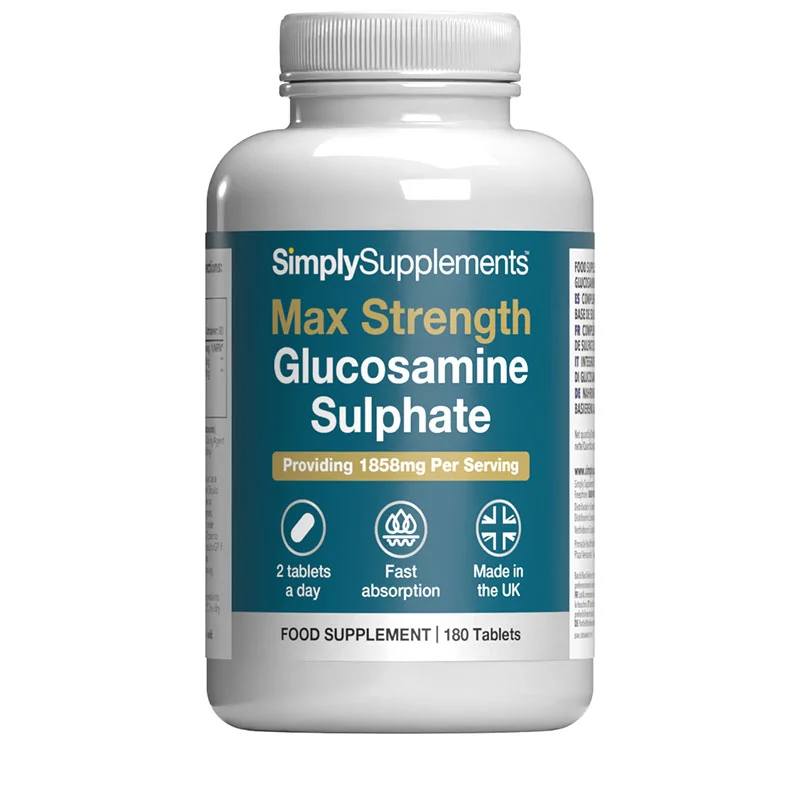
The typical dosage for glucosamine supplements often ranges from 1,500 mg per day for glucosamine sulphate to about 1,200 mg for HCl. It’s important to follow specific product recommendations, as formulations can vary. Always consider discussing any new supplement regimen with a healthcare provider, especially if you are taking other medications or have underlying health conditions.
For those considering glucosamine, it might be beneficial to start with a lower dosage to gauge your body’s response before gradually increasing to the standard recommended amounts.
Potential Side Effects and Who Should Avoid Glucosamine
While glucosamine is generally considered safe for most individuals, some may experience side effects including gastrointestinal discomfort, nausea, or an allergic reaction, particularly if allergic to shellfish (a common source of glucosamine). Therefore, those with shellfish allergies should opt for vegan glucosamine options, which are derived from fungi. Additionally, individuals on blood thinners should consult with their doctor due to potential interactions. This is often where Health & Wellbeing supplement reviews proves its value in practice.
In assessing whether glucosamine is suitable for you, a thorough consideration of your health status, concurrent medications, and any allergies is essential before beginning supplementation.
Cost Comparison: Budget vs Premium Glucosamine Brands
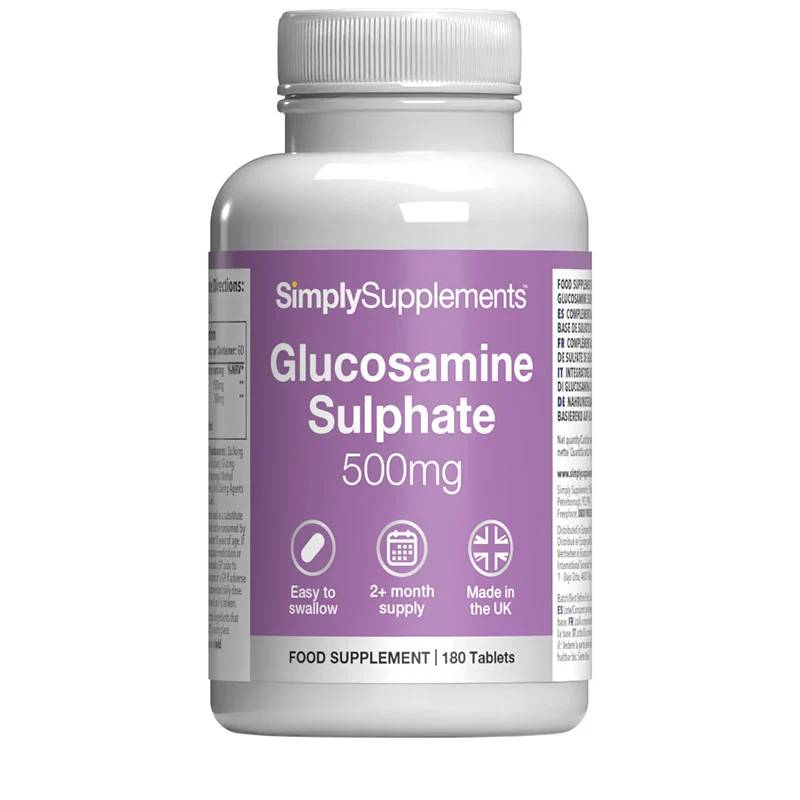
When choosing glucosamine supplements, price is often a critical factor. Budget brands may offer similar ingredients as premium brands but at a fraction of the cost. However, it is crucial to assess the quality of the ingredients, manufacturing practices, and customer reviews. A comparison of several popular brands may reveal significant differences in cost per serving, efficacy perceived by users, and overall ingredients.
| Brand | Form | Dosage | Cost per Serving (£) | Additional Ingredients |
|---|---|---|---|---|
| Budget Brand A | Glucosamine Sulphate | 1500 mg | 0.30 | None |
| Premium Brand B | Glucosamine HCl | 1200 mg | 0.80 | Chondroitin, MSM |
| Budget Brand C | Vegan Glucosamine | 1500 mg | 0.35 | None |
| Premium Brand D | Glucosamine Sulphate | 1500 mg | 1.00 | Turmeric, Boswellia |
In this table, you can see the cost differences based on various brands and formulations. It’s important to note that while premium brands may include additional beneficial ingredients, cost-effectiveness should be weighed against the specific needs and preferences of the user.
In summary, both budget and premium glucosamine options have their place in the market. The right choice often depends on personal values regarding health, ingredient quality, and budget constraints. Many readers find it beneficial to consult expert reviews and comparisons before making a purchase, especially when considering various glucosamine brands in the UK.
As you decide on the right glucosamine supplement, remember to consider not only the cost but also the formulation and your personal health needs. Engage with your healthcare provider to find a supplement that aligns with your lifestyle and supports your joint health without unnecessary expenditure.
Frequently Asked Questions
How long does it take for glucosamine to work?
Many users report seeing results within 4 to 8 weeks, but this can vary widely based on individual response and the severity of joint issues.
Is glucosamine safe for everyone?
While generally safe, individuals with shellfish allergies or those taking blood thinners should consult a healthcare provider before use.
Can I take glucosamine if I am vegan?
Yes, there are vegan glucosamine supplements available that are derived from non-shellfish sources, typically fungi.
What are the common side effects of glucosamine?
Common side effects may include stomach upset, nausea, and allergic reactions, particularly for those allergic to shellfish.
How much should I take daily?
The typical daily dosage ranges from 1,200 mg to 1,500 mg, depending on the formulation, but always follow specific product recommendations.
Final Thoughts on Choosing Glucosamine Supplements
As you contemplate adding glucosamine to your routine, remember the importance of informed choices. Evaluate the evidence, consider your individual health needs, and consult with professionals to ensure you make the best decision for your joint health.
- Glucosamine supplements come in two primary forms: sulphate and HCl.
- Consulting a healthcare provider is advisable when starting any new supplement.
- Quality and cost of glucosamine can vary widely between brands.
- Both budget and premium options can have their advantages depending on individual needs.
- Monitor your body’s response to glucosamine for 4-8 weeks after starting.
- Consider potential side effects, especially if allergic to shellfish.
- Discuss dosage with a healthcare provider to find the right amount for you.