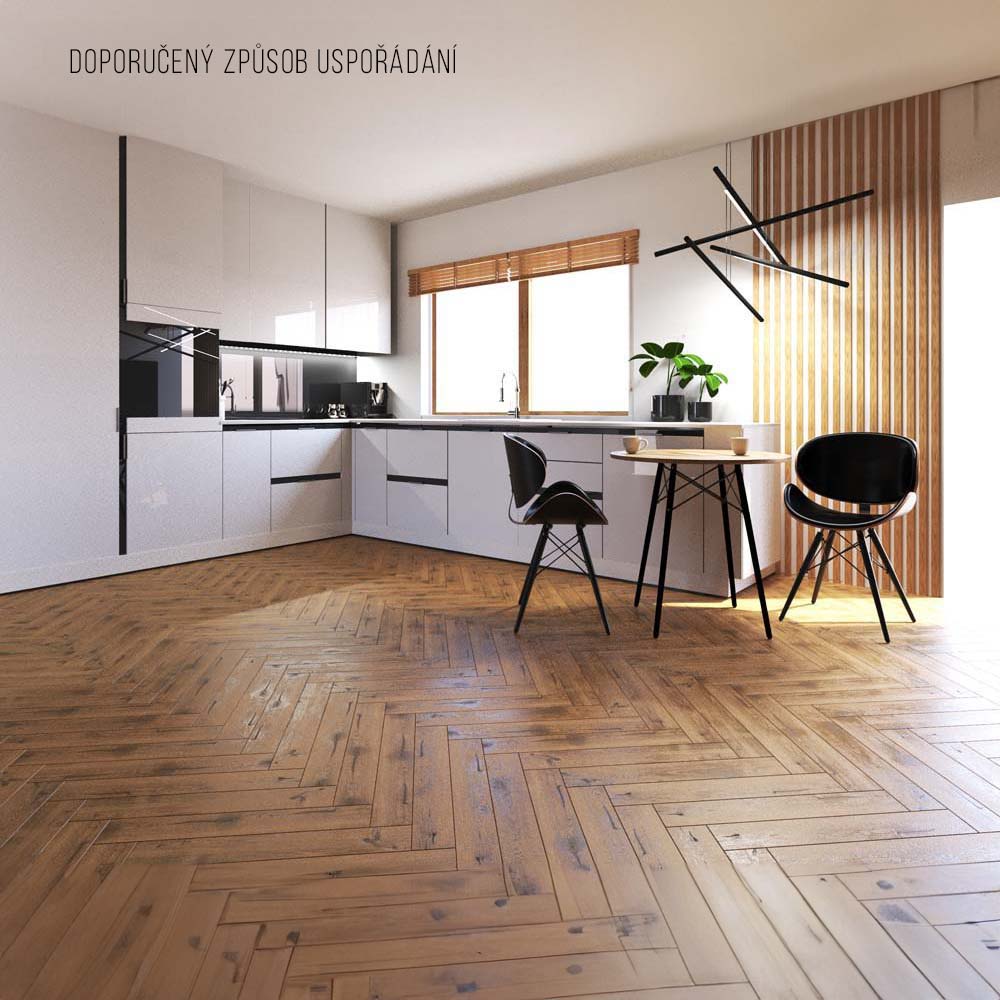
If you are thinking of selling in the near future, or even if you just want to make your home more comfortable, new flooring ranks among the smartest renovations to consider. Your floors cover nearly the entire surface of a house, so they make a major impact on first impressions.
Buyers notice floors right away. Dated carpet, damaged wood floors or cracked tile create the impression suggesting that the home has been neglected. In contrast, new, consistent flooring can make a house look clean and modern, and that may help it sell faster.
Budget is also a key factor. Modern laminate delivers a realistic wood look at an affordable cost, and luxury vinyl combines value and great water resistance. Remember to factor in underlayment, transitions, and installation in your estimate.
Vinyl plank flooring is at the top of the list for busy homes. It is waterproof, so spilled drinks become simple to handle. A strong wear layer helps resist scratches from claws, and its softer feel feels more comfortable for running feet and paws.
Choosing a new floor is among the most significant decisions you can make during a home renovation. In Canada, the decision is especially critical because our interiors need to withstand freezing winters, humid summers, snow and road salt tracked in from outside.
Laminate is another good contender. The hard melamine surface is tough against scratches, in many cases more than vinyl. Choose products with an AC4 or AC5 rating as well as water-resistant features for the best performance.
This is where engineered hardwood stands out. Rather than being made from one solid board, engineered wood consists of several layers: a real hardwood top layer glued over a dimensionally stable base. This layered structure reduces expansion and contraction.
Is hardwood an option? Yes, though be selective. Harder species such as hickory, maple and oak hold up better, while matte finishes or natural grain patterns hide small scratches better than glossy floors.
Winter in Canada is picturesque, however winter is rough on your floors. Melting snow, de-icing salt, grit and dry indoor air can wear out even the best floors if left unchecked. With a few simple habits, you can protect your flooring in top shape through the winter.
Hardwood floors continues to be one of the features buyers ask for most. Engineered hardwood offers the same appeal with better stability for our climate. If you need to control costs, quality laminate can provide an equally attractive finish at a lower cost.
Before you buy, always look at samples in your own lighting. Tones can look quite different at home. For expert advice and a large selection of hardwood, laminate and vinyl, visit canadafloorsdepot.com before you make your final decision.
What you get is flooring that looks exactly like solid hardwood but behaves better through the seasons. Since it is more stable, engineered wood can be used in rooms where solid wood is a risk, including basements and over concrete slabs.
Road salt often leaves a hazy residue which may damage the protective layer of hardwood, laminate and vinyl. Clean salt marks promptly with a damp microfibre mop and a pH-neutral cleaner. Stay away from steam mops on wood and laminate.
The first line of defence is the entrance. Use a sturdy outdoor mat and a washable absorbent rug indoors the main entrances. Using both stops most of the salt and grit before it can scratch your flooring. Set up a boot tray so dripping shoes never sit on your flooring.
Seasonal change has an important role. Traditional solid wood moves as humidity rises and falls, so it performs best with proper acclimatization and controlled humidity. Engineered hardwood provides the same natural look with improved stability, which makes it a smart option for Canadian homes.
Before you buy, pay attention to the veneer thickness. A heavier veneer lets you sanding and refinishing in the future, increasing the floor’s lifespan. Also maintain humidity between roughly 35 and 55 percent all year long.
The first thing to do is to look at how each room is used. A mudroom needs something tough and easy to clean, while a guest room can focus more on comfort and warmth. Wet areas benefit from moisture-resistant options like luxury vinyl plank or tile.
Indoor humidity is also another key factor. During the heating season, the air inside can become very dry, causing natural wood to contract and gaps to appear. A humidifier keeping humidity at a stable level helps protect your wood floors as well as your comfort.
Houses across Canada go through significant changes in temperature and humidity throughout the year. During winter, our heaters pull moisture from the air; in summer, moisture levels go up sharply. For wood flooring, this cycle may cause cracks, warping and digitalgrowthkit.com movement.
Turning a basement into living space is an excellent way to gain extra square footage and resale value to your home. But basements come with specific problems: cold concrete, moisture and colder floors. The wrong floor may result in mildew, buckling and costly repairs.