
In recent years, the financial landscape has been marked by volatility, prompting investors to seek alternative avenues for wealth preservation and growth. Among these alternatives, gold and silver have emerged as prominent options for inclusion in Individual Retirement Accounts (IRAs). As traditional markets fluctuate and economic uncertainties loom, the allure of precious metals as a hedge against inflation and market instability has never been more compelling.
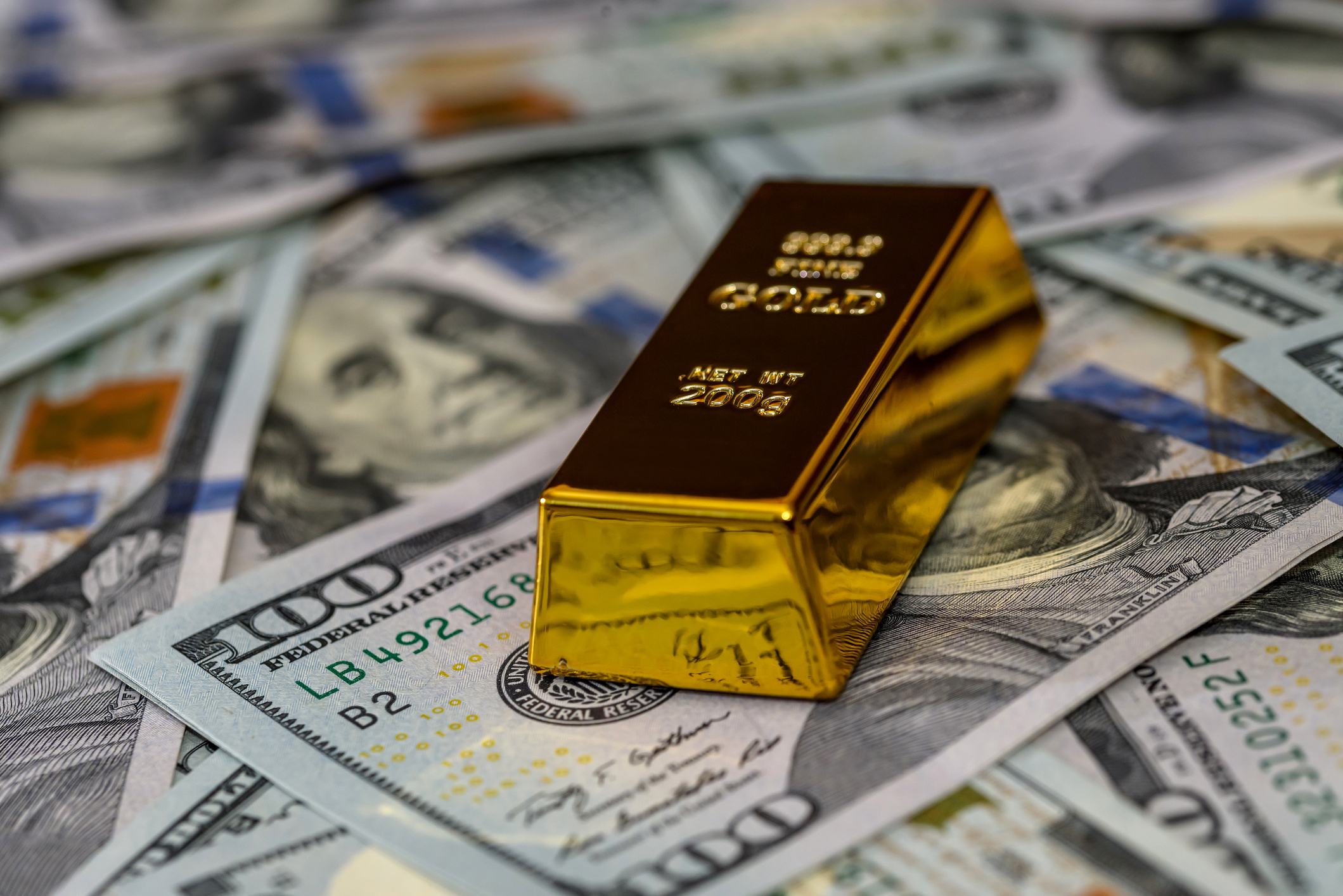
Gold and silver have been valued for centuries, not only as jewelry and currency but also as safe-haven assets. Their intrinsic value and historical significance make them attractive choices for investors looking to diversify their portfolios. With the rise of self-directed IRAs, individuals can now include physical gold and silver in their retirement accounts, allowing them to take advantage of these precious metals’ potential for long-term growth.
One of the primary reasons investors are turning to gold and silver for their IRAs is the increasing concern over inflation. With central banks around the world implementing expansive monetary policies, the purchasing power of fiat currencies has come under pressure. Gold, often referred to as the ultimate hedge against inflation, has historically maintained its value during periods of economic turmoil. As inflation rates rise, many investors view gold as a reliable store of value, making it a prudent addition to retirement savings.
Silver, too, has its merits as an investment for IRAs. While it is often overshadowed by gold, silver has unique properties that make it an appealing choice. As an industrial metal, silver is used in various applications, including electronics, solar panels, and medical devices. This demand can drive its price higher, especially in a growing economy. Moreover, like gold, silver has a long history of being a valuable asset, making it a solid option for those looking to diversify their retirement portfolios.
When considering gold and silver for an IRA, investors have several options. One popular method is to invest in physical bullion, which includes coins and bars. The Internal Revenue Service (IRS) allows certain types of gold and silver bullion to be included in IRAs, provided they meet specific purity standards. For gold, the minimum purity requirement is 99.5%, while for silver, it is 99.9%. Popular choices for gold bullion include American Gold Eagles, Canadian Gold Maple Leafs, and gold bars from reputable mints. For silver, American Silver Eagles and Canadian Silver Maple Leafs are among the most sought-after options.
Another avenue for investing in gold and silver within an IRA is through exchange-traded funds (ETFs) that track the price of these metals. Gold and silver ETFs provide investors with exposure to the price movements of precious metals without the need to store physical assets. This option can be appealing for those who prefer a more hands-off approach to investing. However, it is essential to note that ETFs may not provide the same level of protection against inflation as physical bullion.
Investors should also consider the tax implications of including gold and silver in their IRAs. While contributions to traditional IRAs may be tax-deductible, withdrawals during retirement are subject to income tax. On the other hand, Roth IRAs allow for tax-free withdrawals, provided certain conditions are met. It is crucial for investors to consult with a financial advisor or tax professional to understand the potential tax consequences of their investments in precious metals.
The process of setting up a self-directed IRA to include gold and silver is relatively straightforward. Investors can choose to work with a custodian who specializes in self-directed IRAs, ensuring compliance with IRS regulations. The custodian will facilitate the purchase of precious metals and handle the necessary paperwork. It is vital to select a reputable custodian with experience in managing gold and silver IRAs to ensure a smooth and compliant process.

As with any investment, there are risks associated with investing in gold and silver for an IRA. The prices of these metals can be volatile, influenced by various factors, including geopolitical events, interest rates, and changes in demand. Investors must be prepared for fluctuations in the market and maintain a long-term perspective when incorporating precious metals into their retirement plans.
Despite the risks, many investors find that the benefits of including gold and silver in their IRAs outweigh the potential downsides. The diversification that precious metals provide can help mitigate the overall risk of a retirement portfolio, especially in uncertain economic times. Additionally, the historical performance of gold and silver as safe-haven assets lends credibility to their inclusion in long-term investment strategies.
In conclusion, as we navigate an increasingly unpredictable financial landscape, the appeal of gold and silver as investment options for IRAs continues to grow. These precious metals offer a unique combination of historical value, inflation protection, and portfolio diversification. Whether through physical bullion or ETFs, investors have various ways to incorporate gold and silver into their retirement accounts. As always, it is essential to conduct thorough research bestgoldiracompanies.gold and seek professional advice to make informed decisions about including these assets in your retirement strategy. With careful planning and consideration, gold and silver can play a vital role in securing a prosperous financial future.