
As we age, many active individuals find themselves grappling with joint stiffness, bringing an unwelcome halt to their favourite activities like running, gardening, or even just taking a brisk walk. This discomfort can be disheartening, leading many to seek out solutions, including dietary supplements such as glucosamine. However, the clinical evidence surrounding glucosamine is often mixed, leaving consumers wondering whether these supplements are worth their time and investment. Understanding the facts about glucosamine can help you make informed choices about your joint health.
This article aims to dissect the nuances of glucosamine, looking at its different forms, the evidence supporting its use, official recommendations, and important considerations for potential users. Whether you are considering glucosamine for yourself or recommending it to someone else, having a balanced understanding is crucial. This is often where Health & Wellbeing joint supplements proves its value in practice.
Key Takeaways
- Glucosamine supplements show mixed evidence for joint health
- NICE does not endorse glucosamine use
- Dosage and form matter for effectiveness
- Vegan options are available and affordable
What is Glucosamine and How Does it Work?
Glucosamine is a naturally occurring compound found in cartilage, the tissue that cushions joints. It comes primarily in two forms: glucosamine sulphate and glucosamine hydrochloride (HCl). Both are commonly available as dietary supplements and are used with the aim of supporting joint health.
Glucosamine sulphate is often viewed as the more popular option among consumers. It’s believed to help maintain cartilage integrity and reduce inflammation. Studies suggest that glucosamine sulphate can stimulate the production of cartilage and inhibit its breakdown. On the other hand, glucosamine HCl contains no sulfate, which raises questions about its effectiveness in comparison to glucosamine sulphate.
The distinction between these two forms is important for potential users, particularly when considering glucosamine dosage and timing. Many experts suggest that glucosamine sulphate may have a greater therapeutic effect, particularly in higher doses, while glucosamine HCl may require larger quantities to achieve similar outcomes.
What Does NICE Say About Glucosamine?
The National Institute for Health and Care Excellence (NICE) provides guidelines for evidence-based practices within the UK healthcare system. Their stance on glucosamine is notably cautious. NICE does not specifically recommend glucosamine for osteoarthritis management due to the lack of consistent high-quality clinical evidence supporting its benefits. Many teams turn to Health & Wellbeing wellness resources to handle exactly this kind of workload.
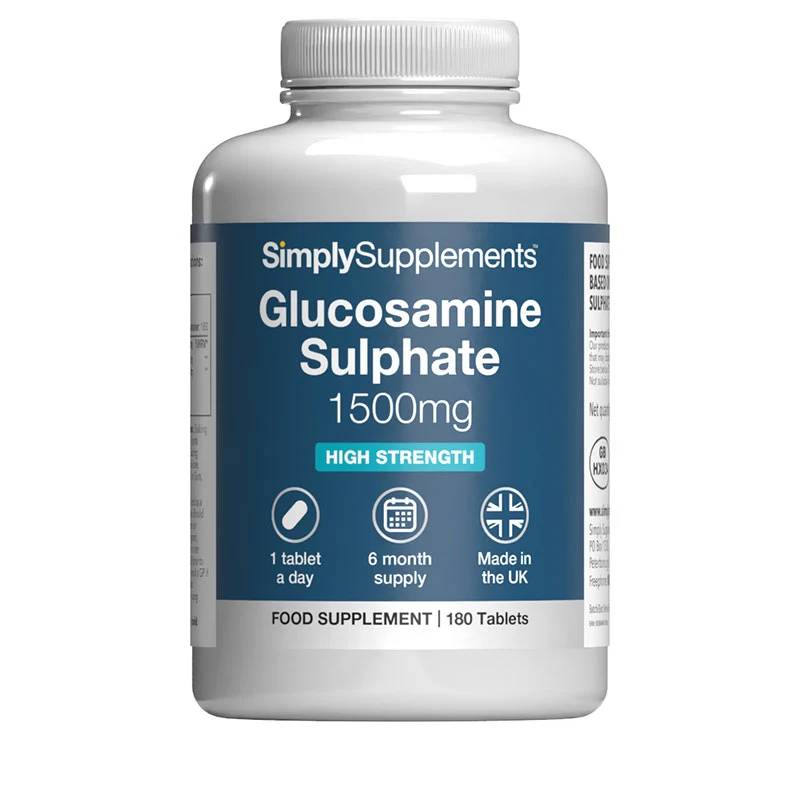
This lack of endorsement stems from numerous studies that yield conflicting results regarding the effectiveness of glucosamine in reducing pain or improving joint function in osteoarthritis patients. While some users report anecdotal benefits, NICE emphasizes the importance of relying on solid evidence when making health decisions.
Understanding Dosage and Timing of Glucosamine
When considering glucosamine supplementation, dosage is a critical factor. The most commonly recommended dosage of glucosamine sulphate for adults is usually around 1500 mg per day, taken once or divided into two or three doses. It’s important to note that taking glucosamine with food may enhance absorption.
Users should also be mindful of the duration of glucosamine use. Many studies suggest that it should be taken for a minimum of 8 to 12 weeks to assess its effectiveness. However, results can vary widely, and some individuals may not experience noticeable improvements.
Glucosamine Side Effects and Who Should Avoid It
While glucosamine is generally well-tolerated by many, some individuals may experience side effects. Commonly reported issues include stomach upset, nausea, and diarrhea. More serious allergic reactions are rare but can occur, particularly in those who are allergic to shellfish, as glucosamine is often derived from shellfish sources. When this becomes a priority, Health & Wellbeing glucosamine comparison can make a real difference to your results.
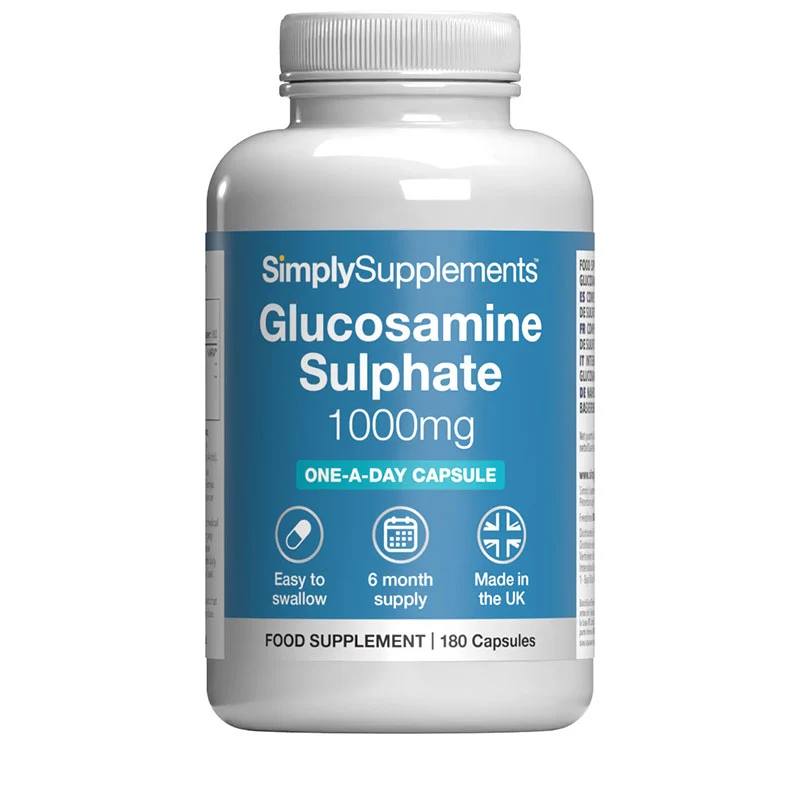
Pregnant or nursing women and individuals with specific health conditions-such as diabetes or bleeding disorders-should consult a healthcare professional before starting glucosamine supplements. This is particularly crucial given the potential for interactions with medications or other supplements.
Vegan Options and Cost-Effectiveness of Glucosamine Supplements
If you’re concerned about animal-derived ingredients, vegan glucosamine options are available. These alternatives often use vegetable sources or fermentation processes to produce glucosamine, making them suitable for those following a vegan lifestyle. The cost of glucosamine can vary widely, but on average, consumers can expect to pay between £10 to £30 for a month’s supply, depending on the brand, formulation, and dosage.
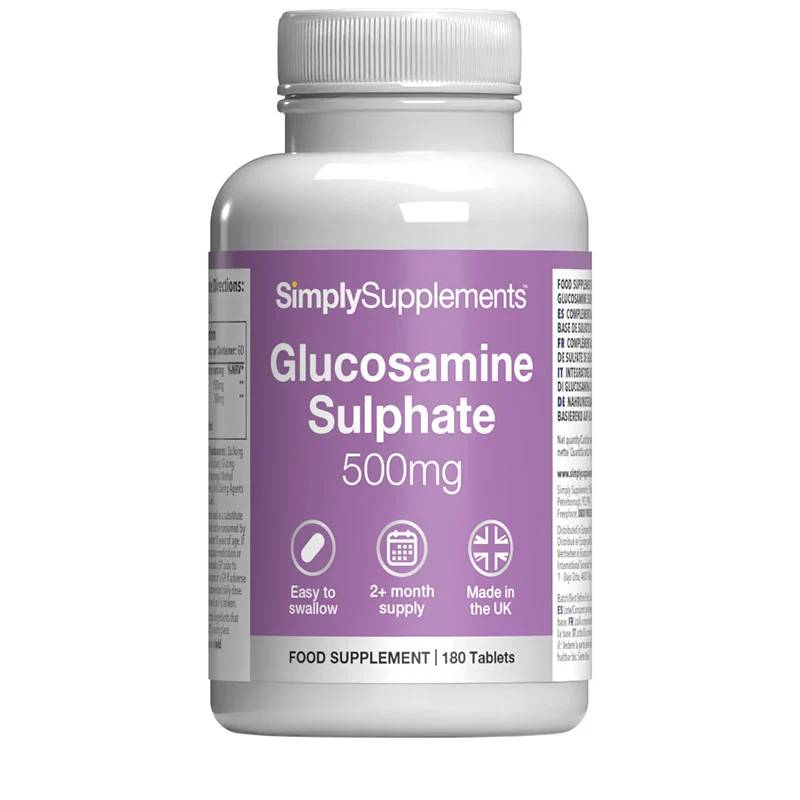
When assessing cost-effectiveness, it’s important to compare the total daily dosage and price per serving. For example, a glucosamine sulphate supplement providing 1500 mg in 60 capsules for £20 offers a more economical option than a similar supplement at £25 for 30 capsules, despite initial perceptions of lower value.
| Supplement | Form | Dosage | Price (£) | Vegan Option |
|---|---|---|---|---|
| Brand A | Glucosamine sulphate | 1500 mg | 20 | No |
| Brand B | Glucosamine HCl | 2000 mg | 15 | Yes |
| Brand C | Glucosamine sulphate | 1500 mg | 25 | No |
| Brand D | Vegan glucosamine | 1500 mg | 30 | Yes |
Considering the Pros and Cons of Glucosamine Supplements
When weighing the decision to take glucosamine supplements, it’s essential to consider both the potential benefits and drawbacks.
- Pros: Some users report improved joint mobility and reduced stiffness. Additionally, glucosamine is generally safe for most individuals when taken at recommended doses. It may also provide benefits for those seeking natural alternatives to over-the-counter pain relievers.
- Cons: The evidence supporting glucosamine is mixed, and NICE does not endorse its use. Side effects, while generally mild, can occur, and cost considerations may make it a less appealing option for those on a tight budget.
Frequently Asked Questions
Is glucosamine effective for osteoarthritis?
Evidence around glucosamine’s effectiveness for osteoarthritis is mixed, with NICE stating that it does not recommend it due to insufficient clinical backing.
What dosage of glucosamine should I take?
The common dosage for glucosamine sulphate is about 1500 mg per day, ideally taken in divided doses for better absorption.
Are there any side effects associated with glucosamine?
Some users may experience stomach upset, nausea, or diarrhea. Allergic reactions are rare but possible, especially in those allergic to shellfish.
Can vegans take glucosamine supplements?
Yes, there are vegan glucosamine options available that are derived from plant sources or fermentation, making them suitable for those following a vegan lifestyle.
What should I consider when choosing a glucosamine supplement?
Look at the form (sulphate vs. HCl), dosage, potential side effects, and price per serving to ensure you select the best option for your needs.