
In recent times, many buyers have considered diversifying their portfolios by shifting their 401(okay) plans into gold or other valuable metals. This strategy has gained reputation because of the perceived stability and value retention of gold during financial downturns. This report will explore the benefits, processes, and concerns concerned in moving a 401(k) to gold.
Understanding 401(ok) Plans
A 401(ok) plan is a tax-advantaged retirement financial savings account offered by many employers. Employees can contribute a portion of their salary to the account, typically with matching contributions from the employer. The funds in a 401(okay) account typically develop tax-deferred till withdrawal throughout retirement. However, the investment choices within a 401(ok) are normally restricted to stocks, bonds, and mutual funds.
Why Consider Gold?
Gold has been a invaluable asset for centuries, typically viewed as a protected haven throughout economic instability. Listed here are some explanation why individuals consider moving their 401(ok) to gold:

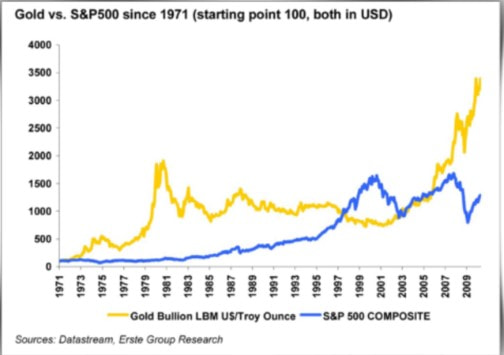
- Inflation Hedge: Gold is often seen as a hedge in opposition to inflation. When the value of currency declines, gold tends to retain its value, making it a well-liked selection for preserving wealth.
- Market Volatility: Throughout durations of high market volatility, gold can provide stability. Buyers often flock to gold when the stock market experiences downturns, leading to increased demand and doubtlessly larger prices.
- Diversification: Adding gold to a retirement portfolio can enhance diversification. A properly-diversified portfolio can cut back danger and enhance overall returns.
- Long-Time period Worth: Historically, gold has maintained its value over the long run. While it may experience fluctuations in price, it has constantly been a dependable store of value.
How to maneuver Your 401(okay) to Gold
Transitioning your 401(ok) to gold involves a number of steps. Here’s a detailed information on how you can execute this transfer:
1. Verify Your 401(okay) Plan Rules
Step one is to review your present 401(ok) plan rules. Some plans enable for direct investments in gold or treasured metals, while others could require you to roll over your funds right into a self-directed IRA (SDIRA) that permits gold investments. Contact your plan administrator for particular guidelines.
2. Select a Gold Funding Option
In case your 401(k) plan permits direct investment in gold, you’ll be able to select from several choices, together with:
- Bodily Gold: Investing in bodily gold bars or coins.
- Gold ETFs: Exchange-traded funds that monitor the value of gold.
- Gold Mining Stocks: Investing in firms that mine for gold.
In case your plan requires a rollover to an SDIRA, you will need to pick a custodian that makes a speciality of gold ira companies with simple rollover processes investments.
3. Open a Self-Directed IRA (SDIRA)
In case you opt for an SDIRA, you will need to open an account with a custodian that allows for treasured metal investments. Research totally different custodians to find one that offers aggressive fees and an excellent popularity. Upon getting chosen a custodian, you can initiate the rollover process.
4. Provoke the Rollover Course of
To maneuver your funds out of your 401(ok) to an SDIRA, you’ll need to complete a rollover. This will usually be executed in two ways:
- Direct Rollover: Your 401(okay) plan administrator transfers the funds on to your new SDIRA custodian. This technique avoids tax penalties.
- Oblique Rollover: You obtain a test for your 401(okay) stability and are answerable for depositing it into your SDIRA inside 60 days. If not completed within this timeframe, chances are you’ll incur taxes and penalties.
5. Buy Gold
Once the funds are in your SDIRA, you possibly can purchase gold. Be certain that the gold meets the IRS standards for valuable metals, which embrace particular purity levels for coins and bars. Your custodian can assist with the acquisition process.
Concerns and Dangers
Whereas shifting a 401(k) to gold can supply benefits, it is important to contemplate the potential dangers:
- Market Fluctuations: The price of gold can be unstable, and whereas it may serve as a hedge in opposition to inflation, it can also experience important price swings.
- Liquidity Points: Physical gold may be less liquid than stocks or bonds. Selling gold could take time and will incur further costs.
- Storage and Insurance coverage: If you happen to spend money on bodily gold, you’ll need to contemplate storage choices and insurance coverage prices to guard your funding.
- Charges: Remember of any fees associated with rolling over your 401(k) and maintaining an SDIRA. These can include custodian charges, transaction fees, and storage fees for bodily gold.
- Regulatory Compliance: Ensure that each one investments comply with IRS rules to avoid penalties. Work with a educated custodian to navigate these necessities.
Conclusion
Transferring your 401(ok) to gold can be a strategic choice for those trying to diversify their retirement portfolios and protect in opposition to market volatility and inflation. Nevertheless, it is crucial to conduct thorough analysis and consider the related dangers and prices. Consulting with a financial advisor experienced in precious metals can present invaluable insights and make it easier to make an knowledgeable choice. By understanding the process and implications, you can take proactive steps toward securing your monetary future with gold investments.