
The First Berserker: Khazan enters the fighting RPG stage with the assurance of an experienced combatant, brandishing its pedigree of fighting games like a trophy. As a critic who submerges himself in the world of game design, rivalry, and the ballet of fighting systems, I was blessed enough to get my hands on The First Berserker: Khazan and, to my surprise, came across a release that, more often than not, even if struggling at points, gave a rewarding experience. It’s a game that attempts to find its position in the saturated world of Soulslike titles, and persuasively, for the most part, it surpasses the mark in some intriguing ways.
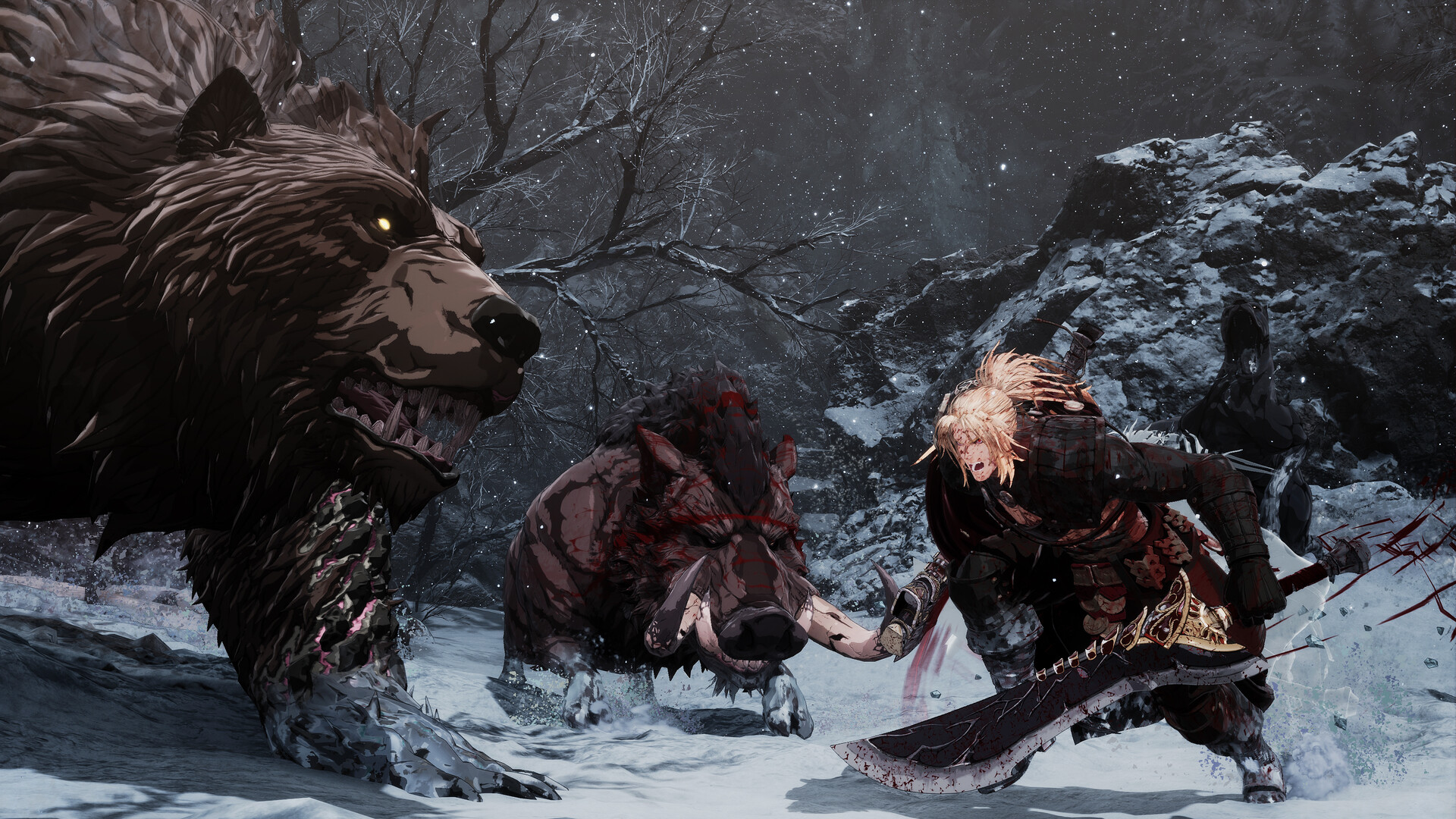
Often, the key is found in the soft twists and movements that need to be made to reveal the way forward. They ostensibly fit the fighting puzzles into a plot framework, and it is impressive. Coupled with the pulse-pounding warfare, the overarching experience of accomplishment is actually uncomplicated; it marks one more effort completed in a long chain of struggles that is combat-intensive. It spotlights yet again Khazan’s standard of commitment to catering to gamers’ preferences in terms of gameplay dynamics, which some other makers struggle with to this day.
Meticulously Built Interplay
The charm fundamental this kind of logic becomes compelling when we scrutinize the specific combination of worlds, particularly in the shape of organic constructions, puzzles, and puzzles that old ones are archeologically patterned civilizations you are crossing, in place of separate amusements, for example, upon reaching the blade nexus located at the “Beneath the Forgotten Temple” part, the way forward would appear to be obscured. Nevertheless, the key is observable in specific details that indicate you run to the right and advance up the sequence of stairs, which are directly located to your right as well.
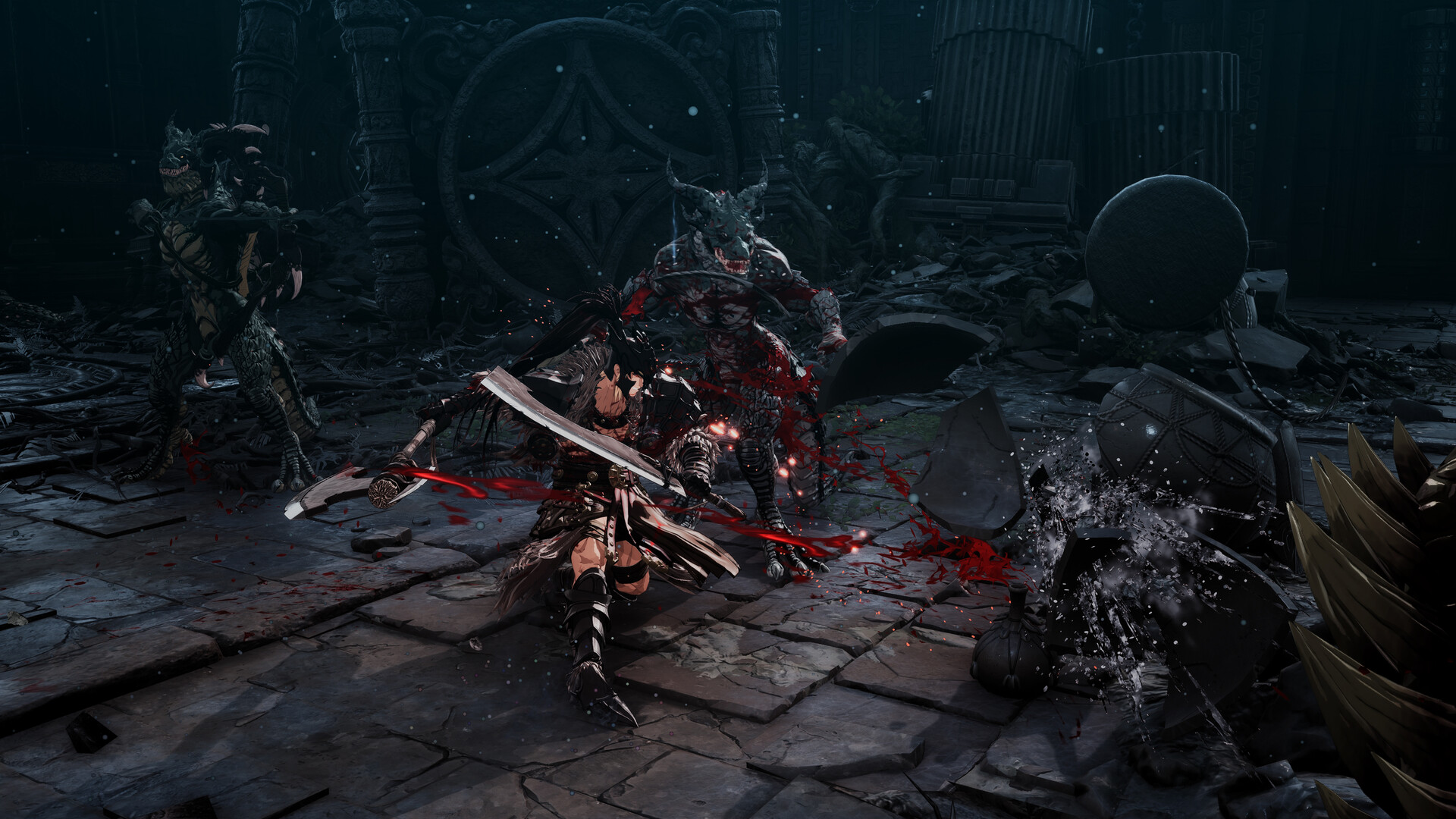
It is not only determined following; it is learners shedding to appreciate the gem-laden escapes of the virtual world, it is are feeling the sighs and air of the game, and that very impact influences kha’s replay from the top, and results in triggers for repeated playthroughs of the game to secure that every exchange or occurrence is disclosed and all challenge is set to its moment of mastery in expertise.
A World Draped in Understated Grandeur: Artistic Selections Under Scrutiny
Because top Xbox video game releases, you could view The First Berserker as captivating in its sight because it takes a ‘significantly more understated tone scheme’ method against the lively figures of Dungeon and Fighter. This is not an extraordinarily grievous blunder, since the absence of color or its meticulous implementation can invoke fear, isolation, grim truthfulness, or some other intense emotion. It addresses the artist’s goal, and in this case, it is grave. There may be bleak grays and browns, and yet some of the most astoundingly evocative games I have lived through revel in such simplicity.
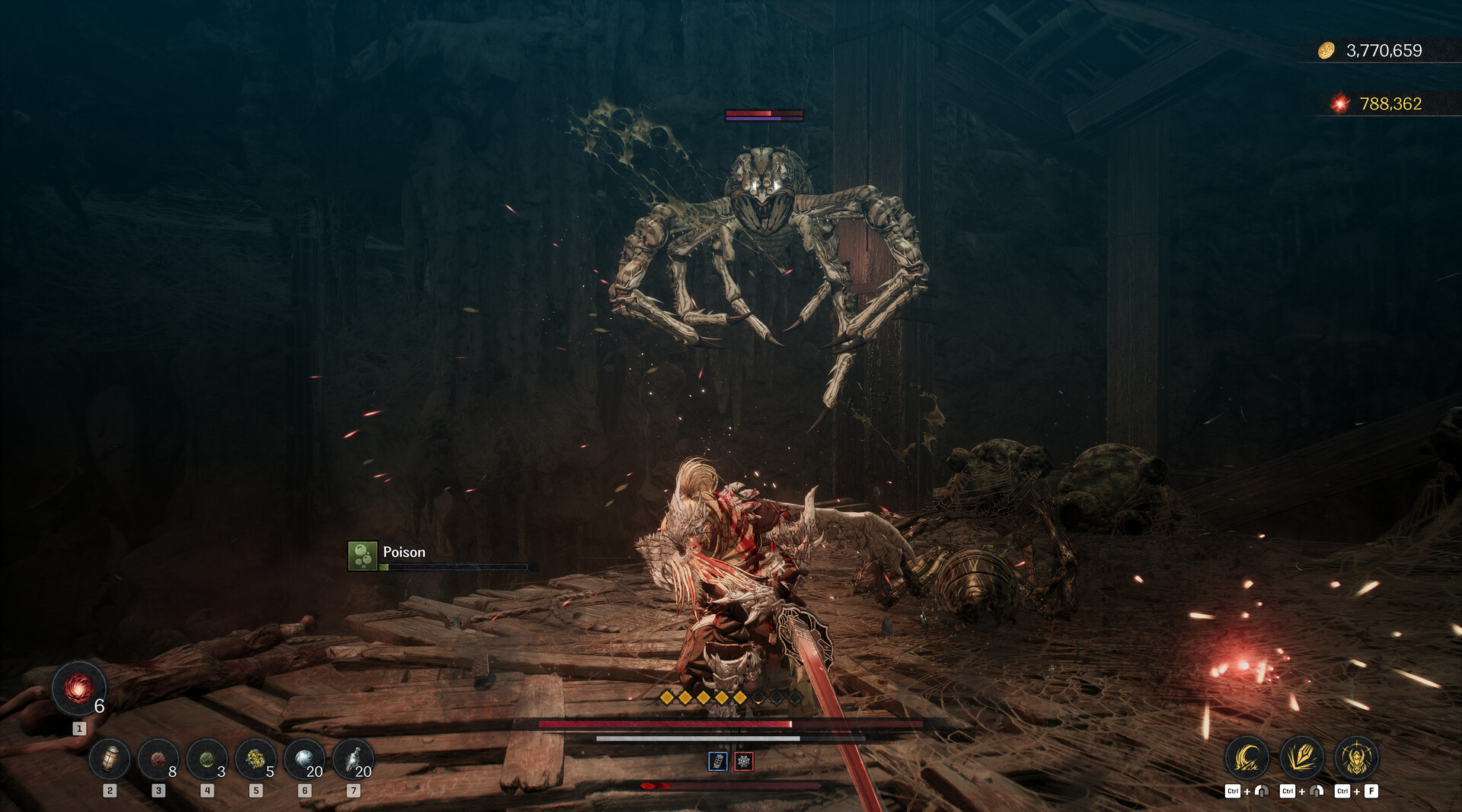
My apprehension here is not whether the selection is achromatic—impressive in its shortage of tones, which allows both clearness and focus of goal—but what I start wondering about is the practicality of this distinct deviation from the convention beyond sheer artistic fancy. Does it amplify the experience of danger? Does it highlight the grim nature of the Berserker’s fight? Or is this yet another ill-advised call easily designed to look “grown-up” or “dark,” without actually setting substance behind that hype?”