
An Imperfect Sneaking Mechanic for a Northern Assassin
Back when in the AC series, assassinations were not merely a quick tap followed by a ragdoll collapse. They were events. Remember Assassin’s Creed Syndicate? You didn’t just stab someone—you planned their downfall. You selected your path, slipped into the area, and unleashed a cinematic kill that was satisfyingly deserved.
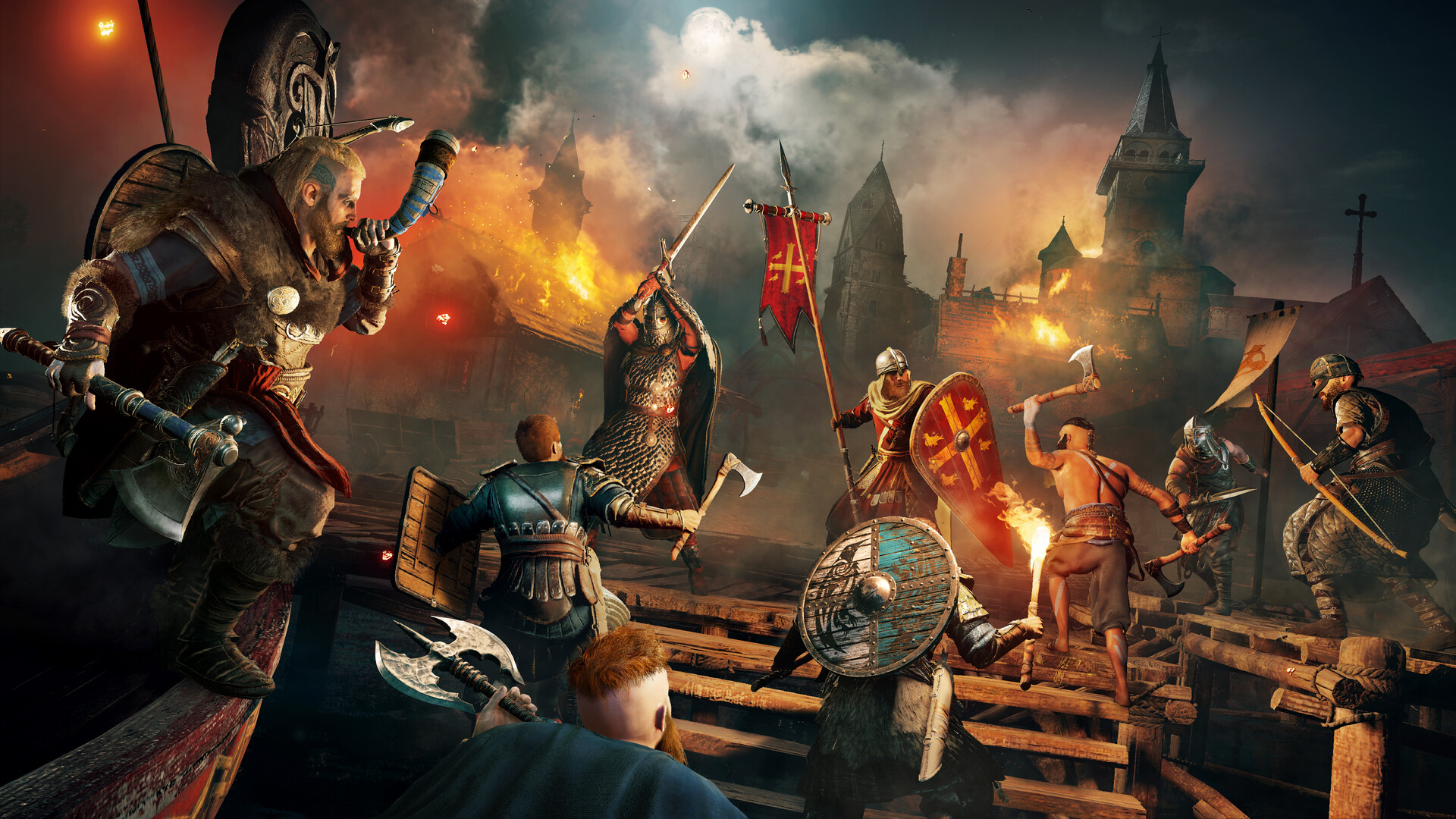
Valhalla, on the other hand, when best games for xbox1, seems to think assassination is a minor distraction. The game hardly recognizes the concept beyond the occasional stealth kill. Elaborate setups? Gone. Unique kill animations tailored to the target? Not unless you count the same three recycled sequences played endlessly. The game’s idea of variety is letting you choose whether to strike your foe from the front or the back. Thrilling.
It’s perplexing how a franchise founded upon the fantasy of being a master assassin has gradually morphed into Norse Brawl Simulator. Eivor, for all their charisma, feels more like a human wrecking ball than a silent killer. The Hidden Blade is back, sure, but it’s treated like a nostalgic prop rather than a core mechanic. Now it just wants you to feel strong.
The Vexing Truth of Valhalla’s Numerous Bugs
Let’s talk about engagement. Or rather, the complete annihilation of it. Storyline glitches that halt progression? Absolutely. Freezes that force you to the title screen mid-raid?
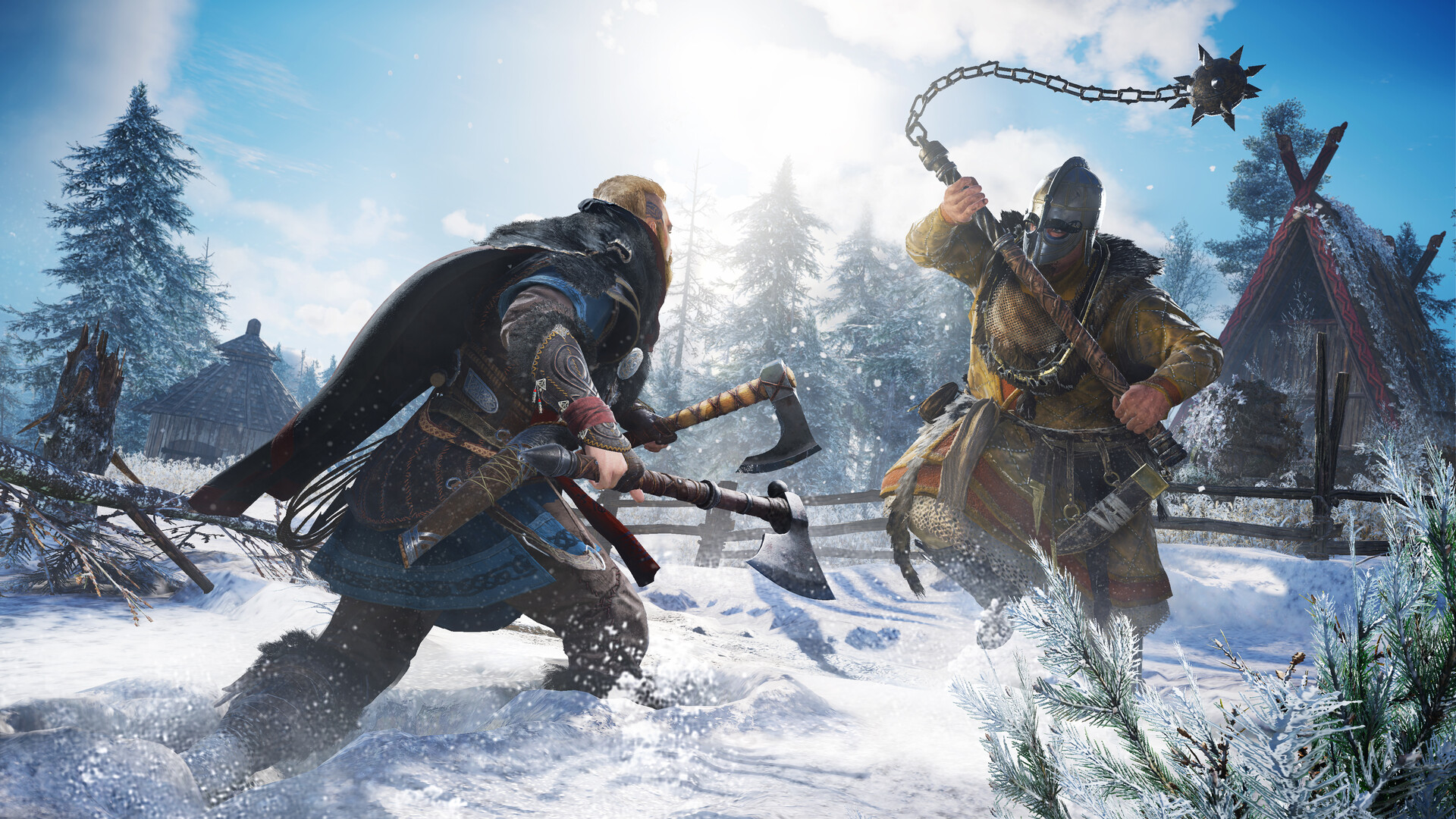
There’s nothing quite like spending an hour working through a confusing mission only to have the end goal malfunction and force a reload. And if you didn’t manually save before that? Get ready to redo the last half hour. It’s like the game is punishing you for having faith.
The infamous box bug—where pushable objects would become permanently stuck, blocking progress—was a lesson in irritation. For months, players were left to either abandon side quests or hope for a fix. And when the fix finally came, it felt less like a victory and more like a belated apology. One that didn’t quite compensate for the time wasted to broken mechanics.
The Absence of an Immersive and Engaging Score
Sound glitches deserve their own realm of annoyance. Assassin’s Creed Valhalla sound design, when it functions, is immersive and atmospheric. When it fails, it’s a relentless assault on your sanity. Imagine completing a longship raid and hearing the identical celebratory line loop every ten seconds. Sound is supposed to pull you toward the world, not rip you away with every glitchy echo. And yet, Valhalla seems to treat sound reliability as non-essential. Maybe one of these was briefly amusing, but mostly they just left me asking “why?”
The Post-Release Fix Fest
Ubisoft’ post-launch strategy seems to be: ship first, patch eventually. Valhalla debuted with a laundry list of issues that took months to address. And while some might argue that current titles are complex beasts, that doesn’t excuse the sheer volume of flaws players faced from day one.
The assumption isn’t flawlessness—it’s playability. When a game ships with bugs that prevent progression, freeze consoles, and corrupt saves, it’s not just frustrating. It’s disrespectful. Players aren’t QA volunteers. And when the patches roll out months later, it’s hard to feel thankful. Mostly, you just feel tired.
An unrelenting battle between inventive goal and technical soundness
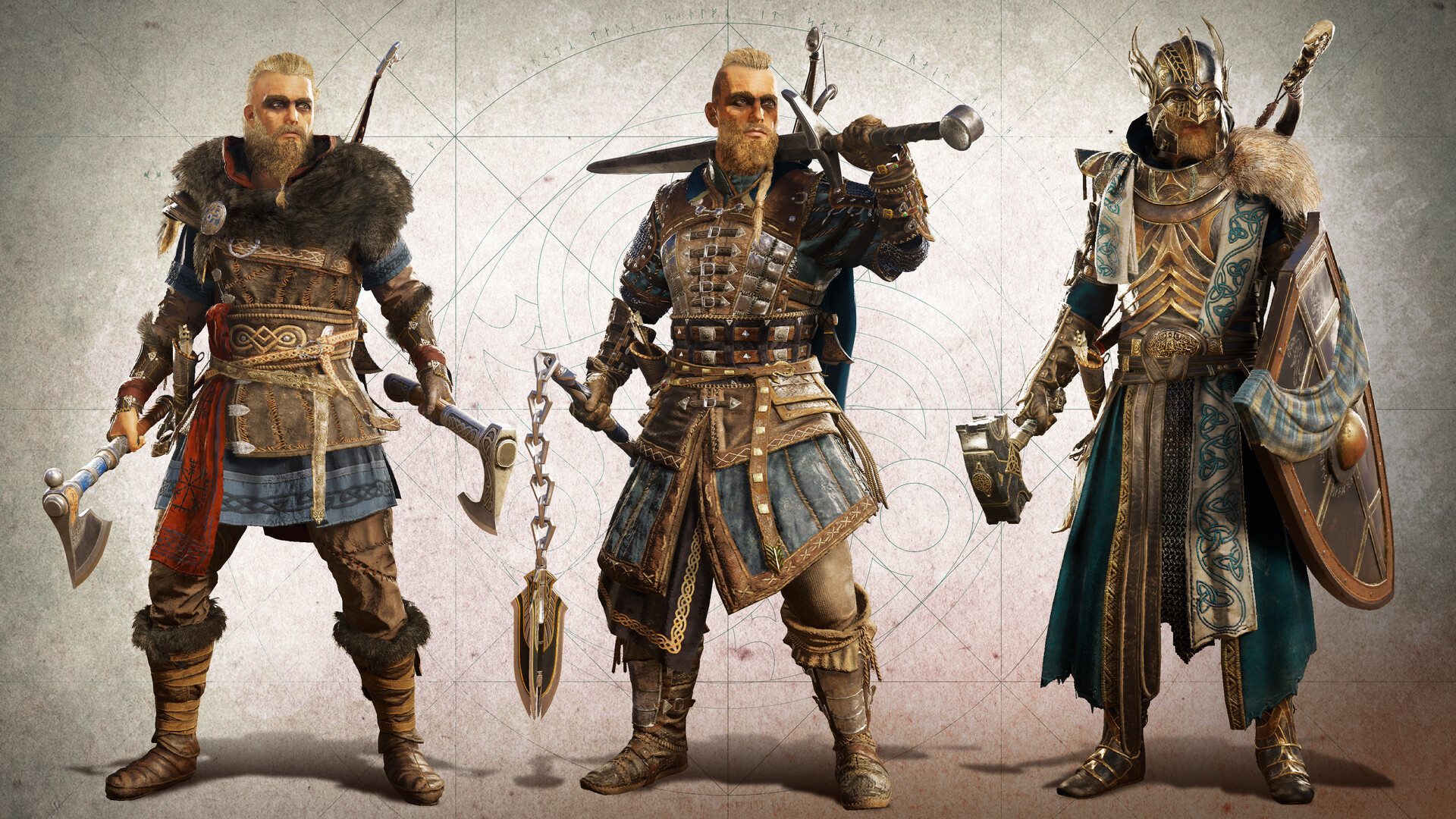
Here’s the thing: Assassin’s Creed Valhalla has merit. Underneath the mess of glitches and broken mechanics lies a truly engaging experience. The world is vast and beautifully rendered. And Eivor, despite being more axe than assassin, is a memorable protagonist.
But none of that counts if the game doesn’t work. Performance reliability isn’t a perk—it’s the base. You can craft the most engaging narrative in the world, but if your game crashes during the finale, all that work is wasted. It’s like trying to appreciate a movie while the screen keeps cutting out. Eventually, you stop caring about the plot and start wondering why you paid for the ticket.
Last Impressions
But it’s hard to feel any of that when you’re constantly battling glitches, audio glitches, and broken mechanics. The assassination fantasy has been diluted, the performance problems are never-ending, and the post-launch support feel like damage control. It’s not just about absent features. The studio seems to have discovered a formula that works just well enough: wide open maps, fantasy tangents, some period dressing, and a checklist of side activities to extend the playtime. Valhalla follows that script to exhaustion. There’s competence here, yes. But very little creativity. You can’t coast forever on “mediocre,” especially not with a series that once took pride on evolution.